

Rejected Ghosts
December 24, 2025
การถูกคัดเลือก (Selected) และถูกคัดทิ้ง (Rejected) เป็นส่วนหลักของการถ่ายภาพอย่างไม่ต้องสงสัย เพราะเมื่อใดที่ยกกล้องขึ้นมาถ่ายภาพ จะมีสิ่งที่เราต้องการเก็บไว้ในเฟรมภาพ การคัดเลือกและคัดทิ้งเกิดขึ้นอย่างอัตโนมัติ รวมไปถึงที่เกิดขึ้นจากผู้ที่เกี่ยวข้องในงานภาพถ่ายภายหลังด้วย กระบวนการนี้กระทบกระเทือนไปไกลกว่าที่เราคาดคิด เนื่องจาการคัดเลือกของช่างภาพ คือการกำหนดความเป็นจริงในช่วงเวลานั้น สิ่งที่ถูกคัดไว้คือ “ความจริง” ส่วนที่ถูกคัดทิ้ง ทั้งการอยู่นอกเฟรมภาพ หรือหลุดโฟกัส เปรียบได้กับ “ผี” ที่ไม่ถูกเอ่ยถึง พวกเขาถูกกลืนหายไปอย่างเงียบ ๆ เป็นเศษซากไร้ค่าในมุมมองของภาพถ่าย แม้ว่าอันที่จริง ซากเหล่านั้นอาจมีค่าควรเอ่ยถึงมากกว่าสิ่งที่กำลังถูกเชิดชูโดยช่างภาพที่มีอำนาจในมือก็ตาม
ความสำคัญของสิ่งต่าง ๆ ในภาพถ่ายถูกนำมาพูดถึงในแนวคิด Democratic Photography ของ วิลเลียม เอ็กเกิลสตัน (William Eggleston, b. 1939) แนวคิดคือการมองว่าสิ่งต่าง ๆ ที่อยู่ในภาพมีความเท่าเทียมกันทั้งหมด ไม่มีสิ่งใดสำคัญไปกว่าสิ่งใด ภาพของเอ็กเกิลสตันจึงมีความเรียบเฉย (Deadpan) อย่างมาก เป็นภาพสิ่งของธรรมดา ฉากเมืองที่ธรรมดา สิ่งที่พบเห็นได้โดยทั่วไป หรืออาจถูกมองข้ามเพราะเพียงพวกมันไม่ทำให้เกิด “เรื่องอันสำคัญ” อย่างที่เห็นได้กับการถ่ายภาพแขนงอื่น ๆ
ภาพถ่ายแนวนี้ถูกด้อยค่ามากขึ้นไปอีก เพียงเพราะว่ามันไม่ได้เล่าเรื่องอะไรที่ผู้ชมอยากจะเห็น กระทั่งความงามที่จรรโลงใจเมื่อกำลังมองงานศิลปะตามความเชื่อที่ถูกสั่งสอนหรือรับรู้มา หรือจริง ๆ แล้วการเห็นภาพเหล่านี้ คือการมองไปยังเหล่าผู้คนธรรมดาที่ไร้ซึ่งความสำคัญ และอำนาจในโลกทุนนิยมด้วยความสมเพชเวทนา (ตัวพวกเขาเองในมุมมองของชนชั้นกลาง) พวกเขาเป็นเพียงน็อตที่หน้าตาเหมือนกันหมด ไม่สำแดงอารมณ์ใด ๆ สามารถถูกคัดทิ้งได้อย่างง่ายดาย และทดแทนใหม่ได้เมื่อตายลง (ในมุมมองของผู้กุมอำนาจ) ไม่ต่างกับสิ่งที่ตัดสิ่งรบกวนในภาพออก (Cropping) หรือทำให้พวกเขาหลุดโฟกัส และจากไป
EMERGE เป็นโครงการที่คัดเลือกงานภาพถ่ายจากนักศึกษามหาวิทยาลัยมาแสดงที่ HOP Gallery จัดขึ้นโดย HOP (Hub of Photography) ติดต่อกันมา 4 ปี และในปี 2025 จัดเป็นปีสุดท้าย (รวมถึงการดำเนินงานของ HOP) มีผลงานภาพถ่ายที่น่านำมาพูดถึงในบริบทของการถูกคัดทิ้ง ซึ่งน่าจะสะท้อนกลับไปถึงตัวระบบเองอย่างน่าสนใจ

ผีที่ถูกทิ้งไว้ในเงา (Ghost Left in Shadow) ของ เตชินท์ รุ่งวัฒนโสภณ (Techin Rungwattanasophol) หยิบเอาความแปลกหน้าที่ปรากฏอยู่ในฟิล์มสไลด์เก่าที่เขาพบในตลาดนัดมือสอง ความแปลกหน้านั้นไม่ได้มาจากสิ่งหลักที่ช่างภาพกำหนดไว้เหมือนที่เห็นในงาน Found Photo ทั่วไป แต่คือ ผู้คนที่หลุดออกไปจากความสนใจของช่างภาพ ผู้ชม รวมถึงบุคคลที่ค้นพบภาพนั้น เป็นนิรนามที่ซ้อนลงไปบนความนิรนามอีกชั้นหนึ่ง

ความหมายของ “ผี” ในงานของเตชินท์ จึงเชิดชูแนวคิดการกู้คืนศักดิ์ศรีของสิ่งที่ถูกทอดทิ้งในชั้นที่ลึกลงไปอีก ไม่ใช่แค่คนที่เพิ่งถูกค้นพบ (ประธานในภาพอย่างที่เตชินท์เอ่ยถึง) แต่มองลงไปถึงคนที่ไม่อาจถูกค้นพบ และเห็นถึงคุณค่าเลย เนื่องจากเป็นเพียงภาพเบลอ ๆ ที่อาศัยอยู่ตามขอบภาพ การที่บุคคลหรือ “ผี” เหล่านั้นถูกมองเห็นอีกครั้ง ทำให้เกิดดุลยภาพใหม่ของพื้นที่บนภาพถ่าย สะท้อนเทียบไปกับ Democratic Photography ของเอ็กเกิลสตันที่ว่า สิ่งใด ๆ ในภาพมีความเท่าเทียมกันไปโดยตลอด และกำลังบอกถึงเรื่องที่ไม่เกี่ยวกับภาพถ่าย เลยไกลไปถึงความเสมอภาคในมิติ และพื้นที่ต่าง ๆ ที่มีผู้คนเหล่านั้นปรากฏอยู่
มีงานหนึ่งที่ผู้เขียนเคยนำไปจัดแสดงที่ CTypeMag แกลลอรี่ ชื่อ Mind My Scenery ของ สินีนาถ เจริญศรี (Sineenard Charoensri) เป็นงานที่ตัดเอาสิ่งที่เป็นสิ่งหลักของภาพออกกลายเป็นช่องว่างสีขาว โดยสิ่งเหล่านั้นเอง คือสิ่งที่รบกวนความเป็นไปของวิถีชนบทที่ศิลปินเคยรู้จัก เช่น ปั้มน้ำมัน โรงงานอุตสาหกรรม ป้ายโฆษณาขนาดใหญ่ ที่ผุดขึ้นกลางทุ่งนา ตัวงานเหมือนจะให้ผู้ชมเพ่งดูในช่องว่างนั้น แต่หากมันคือทิศทางเดียวกับผีในงานของเตชินท์, สิ่งที่ถูกรุกราน ถูกมองข้าม ควรได้รับการมองเห็นและกู้คืน—แนวคิดของสิ่งที่ถูกคัดทิ้ง พลิกกลับด้านในงานของทั้งเตชินท์ และสินีนาถอย่างเด่นชัด
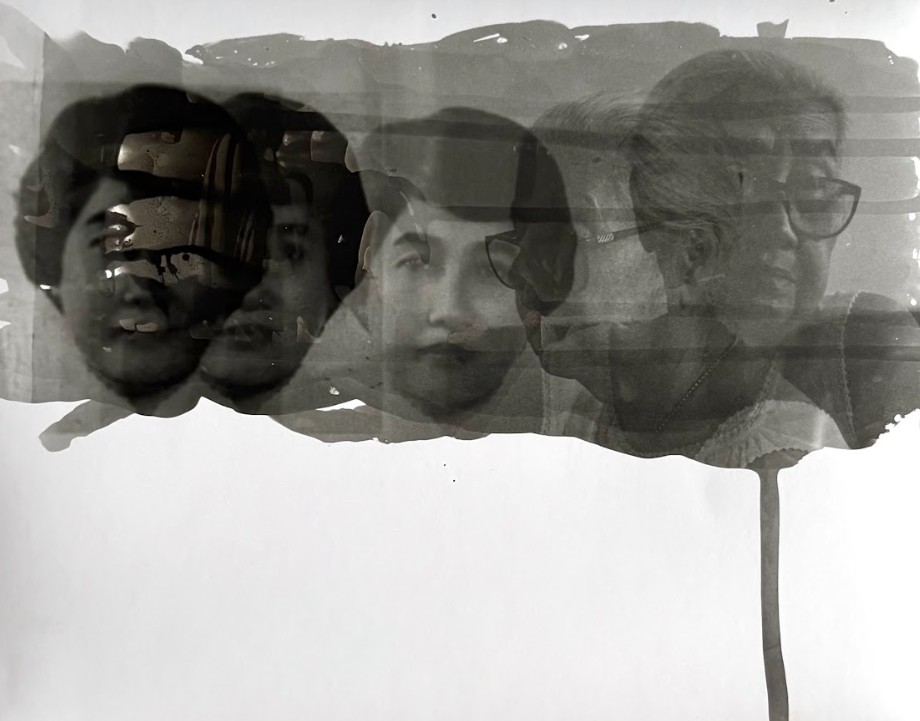
งานชุด Trace of time ของ ภูกมล กุลวิชวรากร (Pookamol Kunlawitvarakorn) แสดงถึงร่องรอยที่ลากยาวนานผ่านชีวิตของคน ๆ หนึ่ง โดยใช้กระบวนการทางห้องมืดกระทำกับฟิล์ม 120 มม. เผยภาพของหญิงสาว และหญิงชราซ้อนทับกันอยู่ แต่ไม่สนิทแนบแบบงานชุด MACHT ของ พาทริค บูเดินซ์ (Patrik Budenz) และ เบียร์เทอ เซลเลินทีน (Birte Zellentin) ที่เคยแสดงที่ BACC ในงาน ภาพถ่ายไม่โกหก (Photography Never Lies) ปี 2024 (ภาพถ่ายใบหน้าของเหล่าผู้นำที่ครองอำนาจในประเทศหนึ่ง ๆ ซ้อนทับกัน) แต่หากเหลื่อมกันให้เห็นราวกับชีวิตของหญิงชรากำลังเคลื่อนผ่านเหตุการณ์มากมาย เช่น บางภาพดำสนิท บางภาพเหมือนถูกทำลายโดยกระบวนการอัดภาพที่ไม่เผยสิ่งใด ๆ ออกมา

แนวคิดของภูกมลค่อนข้างเรียบง่าย นั่นคือ การแปรเปลี่ยนทางชีวภาพ และทางข้อมูล (ความรู้+ประสบการณ์) ของคน ๆ หนึ่งที่กำลังสูญหายไปตามรายทางของคาบเวลา เทียบเคียงกับภาพถ่ายในช่วงเวลาที่แตกต่างกัน การนำเสนอชุดภาพถ่ายคล้ายกับ Contact Sheet ที่มีไว้เพื่อให้ช่างภาพได้คัดเลือก และคัดภาพที่ไม่พึงประสงค์ออกไป
แน่นอน ชีวิตคนไม่ได้เรียบง่ายเช่นนั้น ตัวตนแต่ละของช่วงเวลา เปรียบได้กับภาพถ่ายที่ถูกวางเรียงกันเป็นชั้น ๆ ชีวิตในปัจจุบัน คือการบีบอัดกันแน่น จนกลายเป็นชั้นบางเฉียบอันไม่อาจถูกคัดทิ้งได้อีกต่อไป การขยายแยกชั้นเหล่านั้นออกมาอีกครั้ง ด้วยกระบวนการทางภาพถ่ายของภูกมล ทำให้เราเห็น “ผี” ที่สำแดงฤทธิ์เดชในช่วงเวลาต่าง ๆ มันปรากฏกายและหายวับไปตามแต่ละโอกาสของความทรงจำ เฝ้าหลอกหลอนเจ้าของร่างอยู่อย่างนั้นจนวาระสุดท้ายของชีวิต

ผีสีน้ำเงิน (The Blue Ghost) ของ อธิวัฒน์ เฮงประดิษฐ (Atiwat Hengpradist) เขาใช้กระบวนการทางภาพถ่ายที่ต่างออกไปมาเล่าถึงประสบการณ์การทำงานที่แสนเหนื่อยยากในสหรัฐอเมริกา กับโครงการ Work and Travel ร่วมกับผู้คนที่นั่น Photomontage ถูกนำมาใช้ทั้งการเขียนข้อความลงภาพถ่ายภาพ การวาดภาพ และการซ้อนภาพถ่ายอื่น ๆ เข้าไป
ข้อเขียนแบบเปิดใจบนภาพถ่ายของอธิวัฒน์ ทำให้นึกถึงงานของ จิม โกลด์เบิร์ก (Jim Goldberg, b. 1953) ในชุด Rich and Poor (1977-1985) ที่โกลด์เบิร์กให้เจ้าของภาพถ่ายเขียนบรรยายความรู้สึก (ที่ส่วนใหญ่จะเป็นความทุกข์ยากต่าง ๆ กันไป) ลงบนภาพถ่ายของพวกเขาเอง หรืองานอย่าง As it May Be (2017) ของ บีเกอ เดอโปร์เตอร์ (Bieke Depoorter, b. 1986) ช่างภาพแม็กนั่มโฟโต้ ที่เดินทางไปประเทศอียิปต์ หลังการปฏิวัติ ปี 2011 (ช่วงเดียวกับ Arab Spring) เดอโปร์เตอร์เข้าไปขออาศัยอยู่ในบ้านของคนพื้นที่ และขอให้คนเหล่านั้นเขียนถึงสิ่งต่าง ๆ ลงบนภาพถ่าย ทั้งเรื่องส่วนตัว และที่กำลังเกิดขึ้นในประเทศของพวกเขา

ผีสีน้ำเงินของอธิวัฒน์ที่มีสถานะผิดแผกจากงานของเตชินท์และภูกมล เป็นผีที่กำลังตรากตรำทำงานอยู่ในประเทศที่มีระบบทุนนิยมอันแสนยิ่งใหญ่ โครงสร้างยักษ์ของมันกดทับลงบนบ่าของพวกผีเหล่านั้นอย่างโหดเหี้ยมอำมหิต บดขยี้ให้ตายแล้วตายอีกในทุก ๆ วัน ดังข้อเขียนหนึ่งของเขา “I feel like my legs and arms are breaking everyday” … “I work so hard but I am a nobody there I was like a ghost”
พวกเขาทำงานหนักให้กับระบบที่นับถือผลกำไรราวเทพเจ้าสูงสุด แต่กลับถูกละเลยราวกับน็อตง่อย ๆ ตัวหนึ่ง ถูกกำจัด—แทนที่ได้เมื่อหมดประโยชน์ (หรือเจออะไรที่สร้างผลกำไรมากกว่า) การเผยชีวิตส่วนตัวของอธิวัฒน์เองและคนอื่น ๆ เป็นกรรมวิธีเดียวกับเตชินท์และภูกมล นั่นคือการทำให้ข้อมูลขยายตัวออกไปบนชิ้นงานศิลปะ ครอบคลุมไปยังสิ่งที่เคยถูกมองข้าม จนเกิด “เรื่องสำคัญ” ต่อสิ่งเหล่านั้นขึ้นมาได้
งานศิลปะภาพถ่ายของพวกเขากำลังต่อกรกับผู้มีอำนาจในพื้นที่ และบอกกับผู้คนทั้งหลายว่า บนระนาบเดียวกันนี้ มีความทัดเทียมในเชิงอำนาจและโอกาสเสมอ ผีจะเปลี่ยนเป็นคน และผู้ที่เคยได้ชื่อว่าเป็น “คน” จะตกอับกลับกลายเป็นผีตนใดตนหนึ่งในอนาคต เขาจะถูกละทิ้ง—สาบสูญ ไปพร้อมกับความทรมานอันเกิดจากอาการยึดติด อยากครองอำนาจและผลประโยชน์มากจนตัวสั่น ที่ดูแล้วแสนเจ็บปวด และน่าเวทนามากกว่าผีอย่างเรา ๆ นัก
ความสำคัญของสิ่งต่าง ๆ ในภาพถ่ายถูกนำมาพูดถึงในแนวคิด Democratic Photography ของ วิลเลียม เอ็กเกิลสตัน (William Eggleston, b. 1939) แนวคิดคือการมองว่าสิ่งต่าง ๆ ที่อยู่ในภาพมีความเท่าเทียมกันทั้งหมด ไม่มีสิ่งใดสำคัญไปกว่าสิ่งใด ภาพของเอ็กเกิลสตันจึงมีความเรียบเฉย (Deadpan) อย่างมาก เป็นภาพสิ่งของธรรมดา ฉากเมืองที่ธรรมดา สิ่งที่พบเห็นได้โดยทั่วไป หรืออาจถูกมองข้ามเพราะเพียงพวกมันไม่ทำให้เกิด “เรื่องอันสำคัญ” อย่างที่เห็นได้กับการถ่ายภาพแขนงอื่น ๆ
ภาพถ่ายแนวนี้ถูกด้อยค่ามากขึ้นไปอีก เพียงเพราะว่ามันไม่ได้เล่าเรื่องอะไรที่ผู้ชมอยากจะเห็น กระทั่งความงามที่จรรโลงใจเมื่อกำลังมองงานศิลปะตามความเชื่อที่ถูกสั่งสอนหรือรับรู้มา หรือจริง ๆ แล้วการเห็นภาพเหล่านี้ คือการมองไปยังเหล่าผู้คนธรรมดาที่ไร้ซึ่งความสำคัญ และอำนาจในโลกทุนนิยมด้วยความสมเพชเวทนา (ตัวพวกเขาเองในมุมมองของชนชั้นกลาง) พวกเขาเป็นเพียงน็อตที่หน้าตาเหมือนกันหมด ไม่สำแดงอารมณ์ใด ๆ สามารถถูกคัดทิ้งได้อย่างง่ายดาย และทดแทนใหม่ได้เมื่อตายลง (ในมุมมองของผู้กุมอำนาจ) ไม่ต่างกับสิ่งที่ตัดสิ่งรบกวนในภาพออก (Cropping) หรือทำให้พวกเขาหลุดโฟกัส และจากไป
EMERGE เป็นโครงการที่คัดเลือกงานภาพถ่ายจากนักศึกษามหาวิทยาลัยมาแสดงที่ HOP Gallery จัดขึ้นโดย HOP (Hub of Photography) ติดต่อกันมา 4 ปี และในปี 2025 จัดเป็นปีสุดท้าย (รวมถึงการดำเนินงานของ HOP) มีผลงานภาพถ่ายที่น่านำมาพูดถึงในบริบทของการถูกคัดทิ้ง ซึ่งน่าจะสะท้อนกลับไปถึงตัวระบบเองอย่างน่าสนใจ
ผีที่ถูกทิ้งไว้ในเงา (Ghost Left in Shadow) ของ เตชินท์ รุ่งวัฒนโสภณ (Techin Rungwattanasophol) หยิบเอาความแปลกหน้าที่ปรากฏอยู่ในฟิล์มสไลด์เก่าที่เขาพบในตลาดนัดมือสอง ความแปลกหน้านั้นไม่ได้มาจากสิ่งหลักที่ช่างภาพกำหนดไว้เหมือนที่เห็นในงาน Found Photo ทั่วไป แต่คือ ผู้คนที่หลุดออกไปจากความสนใจของช่างภาพ ผู้ชม รวมถึงบุคคลที่ค้นพบภาพนั้น เป็นนิรนามที่ซ้อนลงไปบนความนิรนามอีกชั้นหนึ่ง
ความหมายของ “ผี” ในงานของเตชินท์ จึงเชิดชูแนวคิดการกู้คืนศักดิ์ศรีของสิ่งที่ถูกทอดทิ้งในชั้นที่ลึกลงไปอีก ไม่ใช่แค่คนที่เพิ่งถูกค้นพบ (ประธานในภาพอย่างที่เตชินท์เอ่ยถึง) แต่มองลงไปถึงคนที่ไม่อาจถูกค้นพบ และเห็นถึงคุณค่าเลย เนื่องจากเป็นเพียงภาพเบลอ ๆ ที่อาศัยอยู่ตามขอบภาพ การที่บุคคลหรือ “ผี” เหล่านั้นถูกมองเห็นอีกครั้ง ทำให้เกิดดุลยภาพใหม่ของพื้นที่บนภาพถ่าย สะท้อนเทียบไปกับ Democratic Photography ของเอ็กเกิลสตันที่ว่า สิ่งใด ๆ ในภาพมีความเท่าเทียมกันไปโดยตลอด และกำลังบอกถึงเรื่องที่ไม่เกี่ยวกับภาพถ่าย เลยไกลไปถึงความเสมอภาคในมิติ และพื้นที่ต่าง ๆ ที่มีผู้คนเหล่านั้นปรากฏอยู่
มีงานหนึ่งที่ผู้เขียนเคยนำไปจัดแสดงที่ CTypeMag แกลลอรี่ ชื่อ Mind My Scenery ของ สินีนาถ เจริญศรี (Sineenard Charoensri) เป็นงานที่ตัดเอาสิ่งที่เป็นสิ่งหลักของภาพออกกลายเป็นช่องว่างสีขาว โดยสิ่งเหล่านั้นเอง คือสิ่งที่รบกวนความเป็นไปของวิถีชนบทที่ศิลปินเคยรู้จัก เช่น ปั้มน้ำมัน โรงงานอุตสาหกรรม ป้ายโฆษณาขนาดใหญ่ ที่ผุดขึ้นกลางทุ่งนา ตัวงานเหมือนจะให้ผู้ชมเพ่งดูในช่องว่างนั้น แต่หากมันคือทิศทางเดียวกับผีในงานของเตชินท์, สิ่งที่ถูกรุกราน ถูกมองข้าม ควรได้รับการมองเห็นและกู้คืน—แนวคิดของสิ่งที่ถูกคัดทิ้ง พลิกกลับด้านในงานของทั้งเตชินท์ และสินีนาถอย่างเด่นชัด
งานชุด Trace of time ของ ภูกมล กุลวิชวรากร (Pookamol Kunlawitvarakorn) แสดงถึงร่องรอยที่ลากยาวนานผ่านชีวิตของคน ๆ หนึ่ง โดยใช้กระบวนการทางห้องมืดกระทำกับฟิล์ม 120 มม. เผยภาพของหญิงสาว และหญิงชราซ้อนทับกันอยู่ แต่ไม่สนิทแนบแบบงานชุด MACHT ของ พาทริค บูเดินซ์ (Patrik Budenz) และ เบียร์เทอ เซลเลินทีน (Birte Zellentin) ที่เคยแสดงที่ BACC ในงาน ภาพถ่ายไม่โกหก (Photography Never Lies) ปี 2024 (ภาพถ่ายใบหน้าของเหล่าผู้นำที่ครองอำนาจในประเทศหนึ่ง ๆ ซ้อนทับกัน) แต่หากเหลื่อมกันให้เห็นราวกับชีวิตของหญิงชรากำลังเคลื่อนผ่านเหตุการณ์มากมาย เช่น บางภาพดำสนิท บางภาพเหมือนถูกทำลายโดยกระบวนการอัดภาพที่ไม่เผยสิ่งใด ๆ ออกมา
แนวคิดของภูกมลค่อนข้างเรียบง่าย นั่นคือ การแปรเปลี่ยนทางชีวภาพ และทางข้อมูล (ความรู้+ประสบการณ์) ของคน ๆ หนึ่งที่กำลังสูญหายไปตามรายทางของคาบเวลา เทียบเคียงกับภาพถ่ายในช่วงเวลาที่แตกต่างกัน การนำเสนอชุดภาพถ่ายคล้ายกับ Contact Sheet ที่มีไว้เพื่อให้ช่างภาพได้คัดเลือก และคัดภาพที่ไม่พึงประสงค์ออกไป
แน่นอน ชีวิตคนไม่ได้เรียบง่ายเช่นนั้น ตัวตนแต่ละของช่วงเวลา เปรียบได้กับภาพถ่ายที่ถูกวางเรียงกันเป็นชั้น ๆ ชีวิตในปัจจุบัน คือการบีบอัดกันแน่น จนกลายเป็นชั้นบางเฉียบอันไม่อาจถูกคัดทิ้งได้อีกต่อไป การขยายแยกชั้นเหล่านั้นออกมาอีกครั้ง ด้วยกระบวนการทางภาพถ่ายของภูกมล ทำให้เราเห็น “ผี” ที่สำแดงฤทธิ์เดชในช่วงเวลาต่าง ๆ มันปรากฏกายและหายวับไปตามแต่ละโอกาสของความทรงจำ เฝ้าหลอกหลอนเจ้าของร่างอยู่อย่างนั้นจนวาระสุดท้ายของชีวิต
ผีสีน้ำเงิน (The Blue Ghost) ของ อธิวัฒน์ เฮงประดิษฐ (Atiwat Hengpradist) เขาใช้กระบวนการทางภาพถ่ายที่ต่างออกไปมาเล่าถึงประสบการณ์การทำงานที่แสนเหนื่อยยากในสหรัฐอเมริกา กับโครงการ Work and Travel ร่วมกับผู้คนที่นั่น Photomontage ถูกนำมาใช้ทั้งการเขียนข้อความลงภาพถ่ายภาพ การวาดภาพ และการซ้อนภาพถ่ายอื่น ๆ เข้าไป
ข้อเขียนแบบเปิดใจบนภาพถ่ายของอธิวัฒน์ ทำให้นึกถึงงานของ จิม โกลด์เบิร์ก (Jim Goldberg, b. 1953) ในชุด Rich and Poor (1977-1985) ที่โกลด์เบิร์กให้เจ้าของภาพถ่ายเขียนบรรยายความรู้สึก (ที่ส่วนใหญ่จะเป็นความทุกข์ยากต่าง ๆ กันไป) ลงบนภาพถ่ายของพวกเขาเอง หรืองานอย่าง As it May Be (2017) ของ บีเกอ เดอโปร์เตอร์ (Bieke Depoorter, b. 1986) ช่างภาพแม็กนั่มโฟโต้ ที่เดินทางไปประเทศอียิปต์ หลังการปฏิวัติ ปี 2011 (ช่วงเดียวกับ Arab Spring) เดอโปร์เตอร์เข้าไปขออาศัยอยู่ในบ้านของคนพื้นที่ และขอให้คนเหล่านั้นเขียนถึงสิ่งต่าง ๆ ลงบนภาพถ่าย ทั้งเรื่องส่วนตัว และที่กำลังเกิดขึ้นในประเทศของพวกเขา
ผีสีน้ำเงินของอธิวัฒน์ที่มีสถานะผิดแผกจากงานของเตชินท์และภูกมล เป็นผีที่กำลังตรากตรำทำงานอยู่ในประเทศที่มีระบบทุนนิยมอันแสนยิ่งใหญ่ โครงสร้างยักษ์ของมันกดทับลงบนบ่าของพวกผีเหล่านั้นอย่างโหดเหี้ยมอำมหิต บดขยี้ให้ตายแล้วตายอีกในทุก ๆ วัน ดังข้อเขียนหนึ่งของเขา “I feel like my legs and arms are breaking everyday” … “I work so hard but I am a nobody there I was like a ghost”
พวกเขาทำงานหนักให้กับระบบที่นับถือผลกำไรราวเทพเจ้าสูงสุด แต่กลับถูกละเลยราวกับน็อตง่อย ๆ ตัวหนึ่ง ถูกกำจัด—แทนที่ได้เมื่อหมดประโยชน์ (หรือเจออะไรที่สร้างผลกำไรมากกว่า) การเผยชีวิตส่วนตัวของอธิวัฒน์เองและคนอื่น ๆ เป็นกรรมวิธีเดียวกับเตชินท์และภูกมล นั่นคือการทำให้ข้อมูลขยายตัวออกไปบนชิ้นงานศิลปะ ครอบคลุมไปยังสิ่งที่เคยถูกมองข้าม จนเกิด “เรื่องสำคัญ” ต่อสิ่งเหล่านั้นขึ้นมาได้
งานศิลปะภาพถ่ายของพวกเขากำลังต่อกรกับผู้มีอำนาจในพื้นที่ และบอกกับผู้คนทั้งหลายว่า บนระนาบเดียวกันนี้ มีความทัดเทียมในเชิงอำนาจและโอกาสเสมอ ผีจะเปลี่ยนเป็นคน และผู้ที่เคยได้ชื่อว่าเป็น “คน” จะตกอับกลับกลายเป็นผีตนใดตนหนึ่งในอนาคต เขาจะถูกละทิ้ง—สาบสูญ ไปพร้อมกับความทรมานอันเกิดจากอาการยึดติด อยากครองอำนาจและผลประโยชน์มากจนตัวสั่น ที่ดูแล้วแสนเจ็บปวด และน่าเวทนามากกว่าผีอย่างเรา ๆ นัก
Selection and rejection are at the heart of photography. Every time we lift a camera, we make a choice about what to keep inside the frame. This process happens instinctively behind the lens, and it continues through the decisions of curators, editors, and everyone involved in the work later on. The impact of this process goes deeper than we might think. When a photographer selects a frame, they define a reality for that moment; what stays in the image is "the truth," while everything left out—whether it’s outside the frame or out of focus—becomes a "ghost." These unmentioned entities vanish quietly, becoming worthless scraps in the eyes of the camera. In reality, however, these remnants might be more worth talking about than the subjects celebrated by the person holding the power.
The importance of the everyday is central to William Eggleston’s (b. 1939) concept of Democratic Photography. His idea is that everything in a photo is equal; nothing is more important than anything else. This gives Eggleston’s work a "deadpan" quality—photographs of ordinary objects, mundane city scenes, and things we often overlook simply because they don't seem to offer a "significant story" like other genres of photography.
This style of photography is often undervalued because it doesn't show the stories or conventional beauty that audiences are taught to expect from art. Perhaps looking at these images is like looking at ordinary people who lack status and power in a capitalist world. To those in power, these people are like identical bolts in a machine: emotionless, easily rejected, and quickly replaced. This erasure is no different from cropping a distraction out of a photo or letting someone slip out of focus until they disappear.
EMERGE is a project that showcases photography from university students at HOP Gallery. Organized by HOP (Hub of Photography) for four years, 2025 marks its final edition. Several works in this final year deal with the idea of being "discarded," which reflects back on the system itself in an interesting way.

In "Ghost Left in Shadow," Techin Rungwattanasophol uses old slide films found at flea markets. The "strangeness" in his work doesn't come from the main subject, but from the people who drifted out of the photographer’s focus—those ignored by the original audience and even the person who found the film. They represent anonymity upon anonymity.
The "ghosts" in Techin’s work restore dignity to things discarded at an even deeper level. He looks beyond the primary subjects to the people who are almost impossible to find—blurred figures living on the edges of the frame. By making these ghosts visible again, he creates a new balance in the image. This mirrors Eggleston’s idea that everything in a photo is equal, while also pointing toward social equality in the spaces where these people exist.
In a project I previously exhibited at CTypeMag Gallery titled "Mind My Scenery," Sineenard Charoensri removes the main subjects of her photos, leaving behind white voids. These removed elements are the intrusions on the rural life she once knew—gas stations, factories, and massive billboards rising in the middle of rice fields. Her work asks the viewer to stare into that empty space, but it works in the same way as Techin’s ghosts: the invaded and the overlooked deserve to be seen and reclaimed. The concept of the "rejected" is vividly flipped in the works of both artists.

Pookamol Kunlawitvarakorn’s series, "Trace of Time," shows the marks left over a long life. Using darkroom processes on 120mm film, she reveals overlapping images of a young woman and an elderly woman. Unlike the precise alignments in the "MACHT" series by Patrik Budenz and Birte Zellentin—which features the superimposed faces of various world leaders (shown at the BACC’s Photography Never Lies exhibition in 2024)—Pookamol’s layers are slightly offset. It looks as if a life is drifting through events; some frames are pitch black, while others seem destroyed by the printing process, revealing nothing.
Pookamol’s concept is straightforward: it captures the biological and informational loss a person experiences over time. By presenting the images like a contact sheet, she refers to the tool photographers use to pick the "best" shots and discard the "unwanted" ones. But life isn't that simple. Our identities are like stacked photographs; the present is a thin layer so compressed that it can no longer be discarded. Her process expands these layers, revealing "ghosts" that appear and vanish within memory, haunting the owner until the end.
In "The Blue Ghost," Atiwat Hengpradist uses a different approach to tell his story of working in the U.S. under the Work and Travel program. He uses photomontage, combining photos with handwritten text, drawing, and layered images.

Atiwat’s honest writing on his photos brings to mind Jim Goldberg’s (b. 1953) "Rich and Poor" (1977-1985), where he had the subjects write their feelings directly onto their own portraits. Similarly, it echoes "As it May Be" (2017) by Magnum photographer Bieke Depoorter (b. 1986). Depoorter traveled to Egypt following the 2011 revolution, during the time of the Arab Spring. She stayed in the homes of local people and asked them to write on her photographs, sharing everything from personal stories to the events unfolding across their country.
Atiwat’s "Blue Ghost" is a laborer within a massive capitalist system. This giant structure presses down cruelly on these ghosts, crushing them every day. As he writes: “I feel like my legs and arms are breaking every day” … “I work so hard but I am a nobody there. I was like a ghost.”
These people work for a system that worships profit, yet they are ignored like broken bolts—discarded when their utility ends. By revealing these private lives, Atiwat, Techin, and Pookamol expand the information in their art to cover what was once overlooked, until those subjects finally become "important."
Ultimately, these works challenge the power dynamics of their space. They remind us that on this shared plane, there should always be equality in power and opportunity. Ghosts will rise as people, while the powerful fall to become the ghosts. They will be abandoned and lost, clinging to their past power with a desperation that is far more pitiable than the ghosts they once ignored.
The importance of the everyday is central to William Eggleston’s (b. 1939) concept of Democratic Photography. His idea is that everything in a photo is equal; nothing is more important than anything else. This gives Eggleston’s work a "deadpan" quality—photographs of ordinary objects, mundane city scenes, and things we often overlook simply because they don't seem to offer a "significant story" like other genres of photography.
This style of photography is often undervalued because it doesn't show the stories or conventional beauty that audiences are taught to expect from art. Perhaps looking at these images is like looking at ordinary people who lack status and power in a capitalist world. To those in power, these people are like identical bolts in a machine: emotionless, easily rejected, and quickly replaced. This erasure is no different from cropping a distraction out of a photo or letting someone slip out of focus until they disappear.
EMERGE is a project that showcases photography from university students at HOP Gallery. Organized by HOP (Hub of Photography) for four years, 2025 marks its final edition. Several works in this final year deal with the idea of being "discarded," which reflects back on the system itself in an interesting way.
In "Ghost Left in Shadow," Techin Rungwattanasophol uses old slide films found at flea markets. The "strangeness" in his work doesn't come from the main subject, but from the people who drifted out of the photographer’s focus—those ignored by the original audience and even the person who found the film. They represent anonymity upon anonymity.
The "ghosts" in Techin’s work restore dignity to things discarded at an even deeper level. He looks beyond the primary subjects to the people who are almost impossible to find—blurred figures living on the edges of the frame. By making these ghosts visible again, he creates a new balance in the image. This mirrors Eggleston’s idea that everything in a photo is equal, while also pointing toward social equality in the spaces where these people exist.
In a project I previously exhibited at CTypeMag Gallery titled "Mind My Scenery," Sineenard Charoensri removes the main subjects of her photos, leaving behind white voids. These removed elements are the intrusions on the rural life she once knew—gas stations, factories, and massive billboards rising in the middle of rice fields. Her work asks the viewer to stare into that empty space, but it works in the same way as Techin’s ghosts: the invaded and the overlooked deserve to be seen and reclaimed. The concept of the "rejected" is vividly flipped in the works of both artists.
Pookamol Kunlawitvarakorn’s series, "Trace of Time," shows the marks left over a long life. Using darkroom processes on 120mm film, she reveals overlapping images of a young woman and an elderly woman. Unlike the precise alignments in the "MACHT" series by Patrik Budenz and Birte Zellentin—which features the superimposed faces of various world leaders (shown at the BACC’s Photography Never Lies exhibition in 2024)—Pookamol’s layers are slightly offset. It looks as if a life is drifting through events; some frames are pitch black, while others seem destroyed by the printing process, revealing nothing.
Pookamol’s concept is straightforward: it captures the biological and informational loss a person experiences over time. By presenting the images like a contact sheet, she refers to the tool photographers use to pick the "best" shots and discard the "unwanted" ones. But life isn't that simple. Our identities are like stacked photographs; the present is a thin layer so compressed that it can no longer be discarded. Her process expands these layers, revealing "ghosts" that appear and vanish within memory, haunting the owner until the end.
In "The Blue Ghost," Atiwat Hengpradist uses a different approach to tell his story of working in the U.S. under the Work and Travel program. He uses photomontage, combining photos with handwritten text, drawing, and layered images.
Atiwat’s honest writing on his photos brings to mind Jim Goldberg’s (b. 1953) "Rich and Poor" (1977-1985), where he had the subjects write their feelings directly onto their own portraits. Similarly, it echoes "As it May Be" (2017) by Magnum photographer Bieke Depoorter (b. 1986). Depoorter traveled to Egypt following the 2011 revolution, during the time of the Arab Spring. She stayed in the homes of local people and asked them to write on her photographs, sharing everything from personal stories to the events unfolding across their country.
Atiwat’s "Blue Ghost" is a laborer within a massive capitalist system. This giant structure presses down cruelly on these ghosts, crushing them every day. As he writes: “I feel like my legs and arms are breaking every day” … “I work so hard but I am a nobody there. I was like a ghost.”
These people work for a system that worships profit, yet they are ignored like broken bolts—discarded when their utility ends. By revealing these private lives, Atiwat, Techin, and Pookamol expand the information in their art to cover what was once overlooked, until those subjects finally become "important."
Ultimately, these works challenge the power dynamics of their space. They remind us that on this shared plane, there should always be equality in power and opportunity. Ghosts will rise as people, while the powerful fall to become the ghosts. They will be abandoned and lost, clinging to their past power with a desperation that is far more pitiable than the ghosts they once ignored.
© CTypeMag 2016 - 2026

