

Onground vs Online
June 22, 2026
วันก่อน มีศิลปินภาพถ่ายและเป็นนักการศึกษาจากเกาหลีใต้มาสัมภาษณ์เรื่องเกี่ยวกับงานภาพถ่าย คำถามหนึ่งถามได้น่าสนใจ เขาถามว่า คิดยังไงเกี่ยวกับการแสดงงานภาพถ่ายที่เป็นโลกจริง (on ground) และ โลกเสมือน (online) ในฐานะของคนที่ทำสองอย่าง จึงคิดว่าพวกมันต่างถ้อยทีถ้อยอาศัยกัน แต่ก็มีศักดิ์ศรีในรูปแบบของตัวเองที่ตอบโต้กันอยู่ในที
หลังสัมภาษณ์และงานพูดคุยเรื่องนิตยสาร ก็เดินทางไปดูงานต่อที่หอศิลป์ฯ แต่กลับเป็นว่าไม่ได้ดูเพราะรถติดมาก ที่จอดรถเต็ม และพลังงานตัวเองเหือดไปหมด จากการพูดเยอะมากกว่าปกติ เลยตัดสินใจกลับบ้านไปนอนแทน ทำให้คิดถึงครั้งหนึ่งที่อยากไปดูงาน ๆ หนึ่ง แต่เขาจัดอยู่ต่างจังหวัดไกลมาก ทำให้พลาดไป แล้วก็หาอ่านและดูงานทางออนไลน์ไม่ได้ กลายเป็นผิดหวังซ้ำซ้อนไปอีก
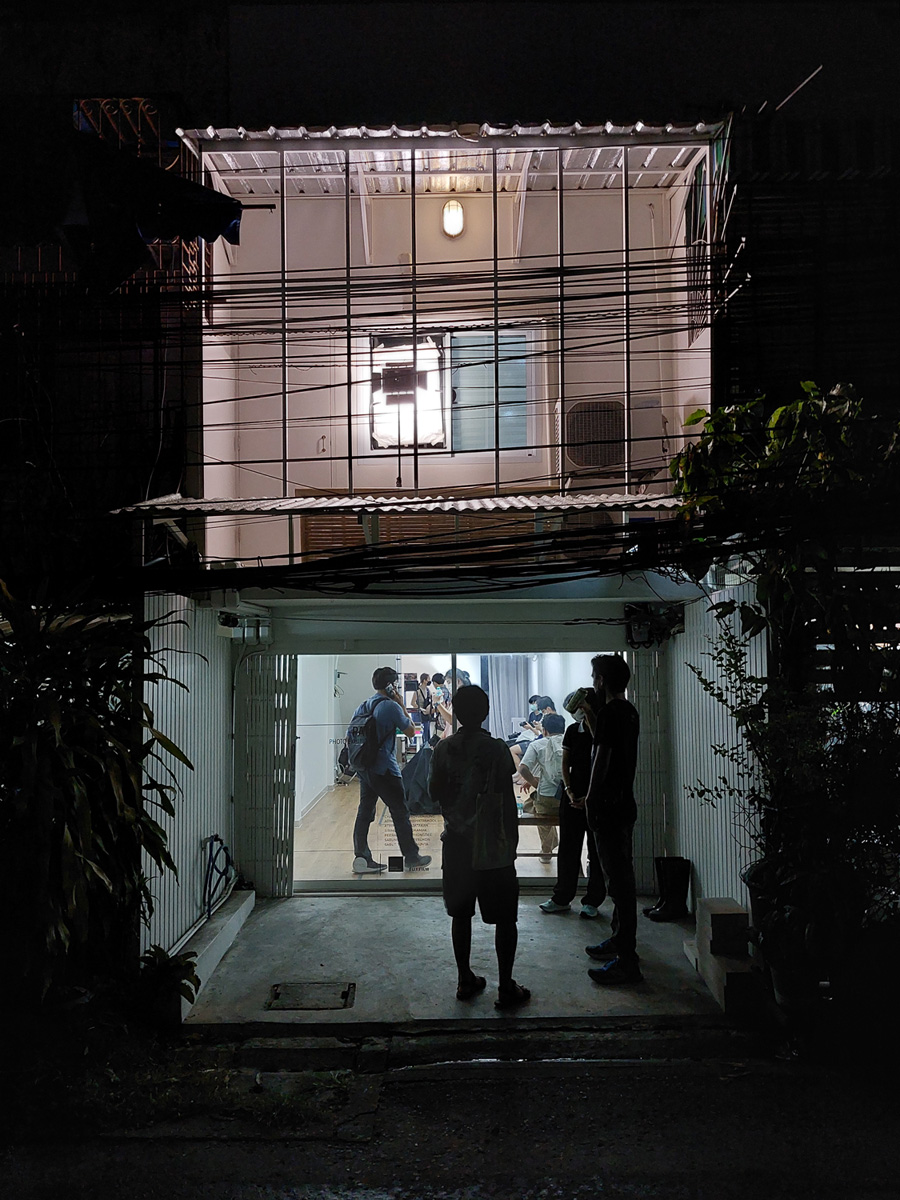
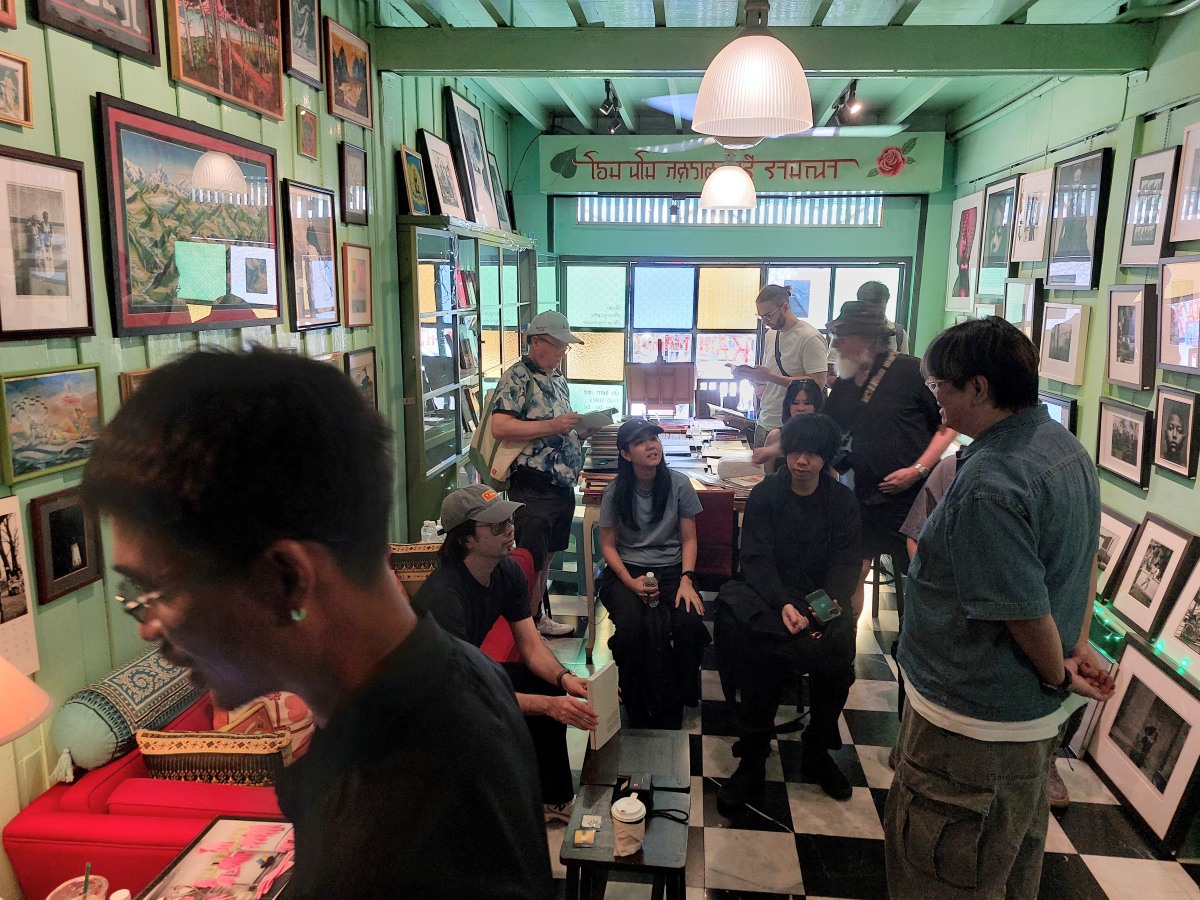
นิทรรศการที่จัดในโลกจริง ต้องเกิดการสังเวยอะไรบางอย่างที่กินลึกเข้าไปในจิตใจและร่างกาย เมื่อต้องเสียสละมาก มันจึงเกิดการต่อรองในหลาย ๆ เรื่องที่สัมพันธ์สืบเนื่องกัน เช่น ไปหรือไม่ไปดี รับทำหรือไม่ทำดี เป็นต้น เราเกิดความอิ่มเอิบใจกับการไปชมงานในสถานที่หนึ่ง พบเจอ พูดคุยกับศิลปิน ผู้จัดงาน ผู้ชมงานด้วยกัน (อาจรวมไปถึงหนังสือภาพถ่ายที่ให้ประสบการณ์ใกล้เคียงกันบ้างในบางลักษณะ) ณ ที่ตรงนั้น เราเป็นส่วนหนึ่งของอะไรบางอย่างที่ยิ่งใหญ่กว่าตัวเรา เหมือนการประกอบพิธีกรรมทางศาสนา ที่ไม่อาจอธิบายอารมณ์หรือความรู้สึกเป็นรูปธรรมได้ง่ายนัก
ในทางกลับกัน หากเราไม่พอใจหรือผิดหวังในงานเหล่านั้น มันก็จะถูกบันทึกเป็นความทรงจำถาวรที่ยากที่จะลืมเลือน เนื่องจากเราเสียสละอะไรมากมายเพื่อที่จะไปบรรยาย ไปฟัง ไปแสดงงาน ไปชมงาน ฯลฯ และมันรวมไปถึงเรื่องธรรมชาติของทรัพยากรที่มีอย่างจำกัด ไม่อาจสนองตอบทุกคนได้ ทั้งศิลปิน และผู้ชมต่างก็ต้องสังเวยอะไรไปกับเรื่องเหล่านี้ ต่างเจ็บปวดมากน้อยร่วมกันในพื้นที่แห่งโลกจริง (ผู้ชมที่ไม่สามารถเดินทางไปชมงานหนึ่งได้ ก็เจ็บปวดไม่ต่างจากศิลปินที่ไม่ได้จัดแสดงในงานนั้น)
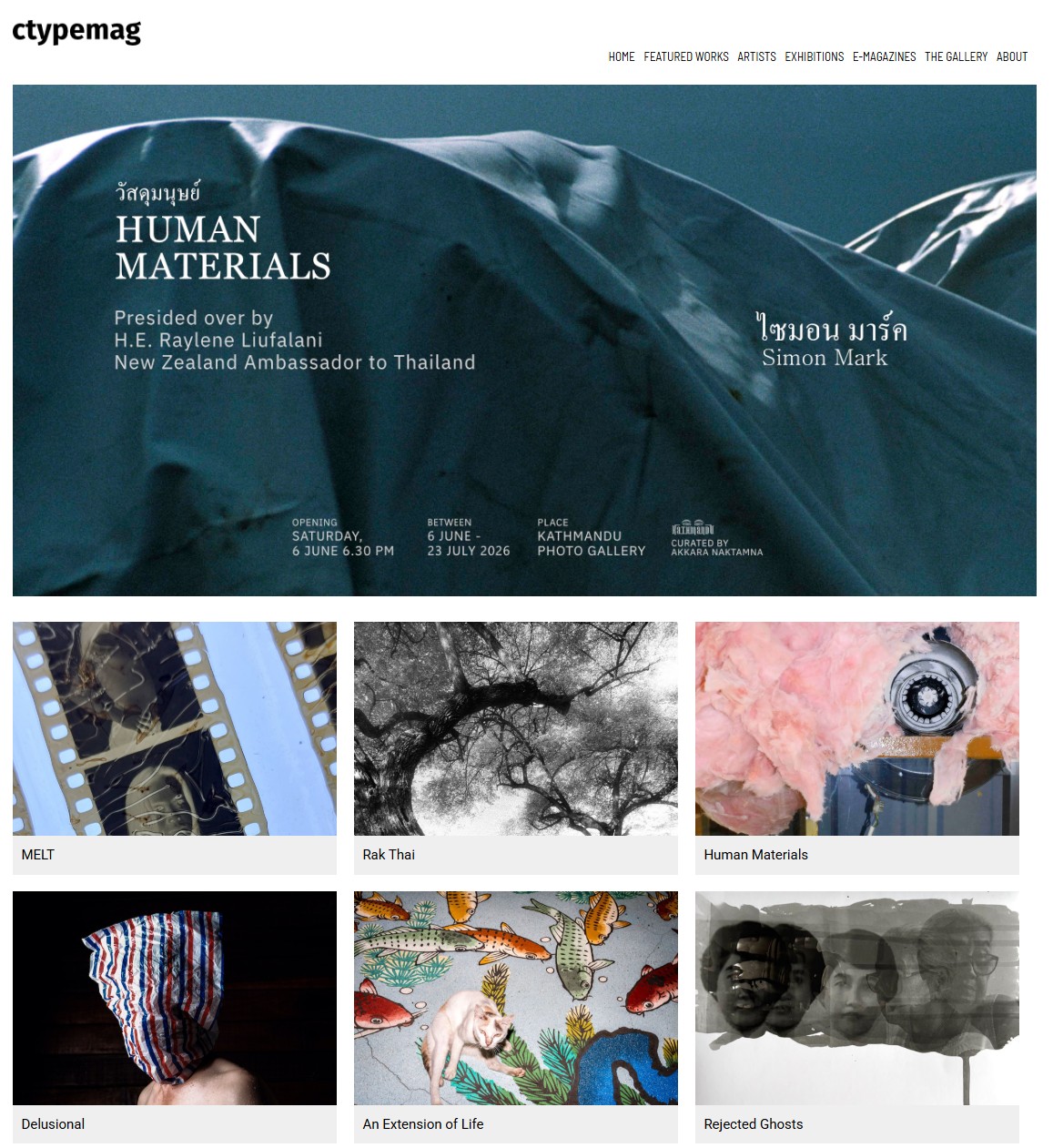
บนโลกเสมือน เราต่างมีพลังอำนาจ มีโอกาสโดยไม่ต้องสังเวยมากมายเหมือนแต่ก่อน ทุกคนต่างเข้าถึงพื้นที่ที่แต่ละคนสามารถแสดงงานได้อย่าง (ค่อนข้าง) เสรีและง่ายดาย ผู้ชมก้าวเข้าไปสู่แกลลอรี่สมมติได้อย่างอิสระ ไร้ซึ่งกำแพง เขตแดน หรือสถานะทางสังคม แม้ว่าจะมีข้อจำกัดเรื่องของการรับรู้ถึงมิติต่าง ๆ เช่น ขนาด สัมผัส เวลา แต่หากเรื่องเหล่านั้นกลับผลักดันให้เกิดการรับรู้อีกทางหนึ่งที่ทรงอำนาจ แข่งขันกับการรับรู้ทางศิลปะแห่งโลกจรืงได้ นั่นคือ การรับรู้ถึงแนวความคิด (concept) ของงาน และข้อมูลอื่นใดที่ประกอบกันไป เช่น บทวิจารณ์ บทความที่พูดถึงงานดังกล่าว ฯลฯ สิ่งเหล่านี้ก้าวขึ้นมาทดแทน และต่อสู้เคียงบ่าเคียงไหล่ในเขตแดนการแสดงงานทางดิจิทัลนั้น ๆ
ผู้สร้างและผู้ชมต่างถูกจับโยนเข้าไปในโลกที่แห้งแล้ง คลุมเครือ งานบนผนังสมมติแบบดิจิทัลเป็นดัง ตัวจำลอง (mockup) ของตัวต้นฉบับ (original) พวกมันเป็นเพียงสิ่งเร้าให้เราต่างมุ่งหน้าไปค้นหาตัวต้นฉบับเพียงเท่านั้น ข้อมูลและความคิดที่ประกอบกับตัวงานจึงเป็นแหล่งน้ำสำคัญ ที่จะทำให้ความแห้งแล้งของงานแสดงทางภาพถ่ายทางออนไลน์ได้ต่อกร และต่อรองกับพลังของโลกจริงได้อย่างสมน้ำสมเนื้อ
งานศิลปะภาพถ่ายไม่ได้ส่งสารออกมาโดยแนวคิดเสมอไป บางส่วนเน้นหนักเรื่องความงามที่ตาเห็น (visual) จึงอาจเป็นเรื่องที่ผู้ที่เกี่ยวข้องเช่น บรรณาธิการ ภัณฑารักษ์ หรือ คนที่ค้นคว้างานเหล่านั้น ต้องให้ข้อมูลที่เพียงพอ พูดถึง วิจารณ์ เปรียบเทียบ เก็บรักษา และเผยแพร่ให้คนที่สนใจเข้าถึงชิ้นงานภาพถ่ายเหล่านั้นได้โดยง่าย เพื่อประโยชน์ในการสร้างงานชิ้นต่อ ๆ ไปหรืองานด้านการศึกษาประวัติศาสตร์ศิลปะ
แต่เอาเข้าจริง ทั้งสองอย่างต่างก็อยู่ในวัฏจักรเดียวกัน ไม่ได้หักล้างทำลายกันตลอดเวลาซะทีเดียว หากจะดูเกื้อกูลซึ่งกันและกัน อุดช่องโหว่ต่าง ๆ ที่ทำให้พวกเราคลายความเจ็บปวดลงได้บ้าง พวกเรา (ศิลปินและผู้ชม) ต่างกำลังรับใช้ข้อจำกัดทั้งหลายในเหตุผลของชีวิตอันเลี่ยงได้ยาก จนไม่อาจทำอะไรได้อย่างใจคิดและ (เคย) ฝันไว้ ทั้งพื้นที่ on ground และ online เป็นทางเลือกที่เหมาะกับวิถีของแต่ละคนไป ไม่ได้ดีหรือร้ายไปกว่ากันเท่าใดนัก และมักจะสมดุล ณ จุดใดจุดหนึ่ง บนภูมิทัศน์ทางศิลปะ และภูมิทัศน์ชีวิตที่กว้างใหญ่ไพศาลของพวกเรา
หลังสัมภาษณ์และงานพูดคุยเรื่องนิตยสาร ก็เดินทางไปดูงานต่อที่หอศิลป์ฯ แต่กลับเป็นว่าไม่ได้ดูเพราะรถติดมาก ที่จอดรถเต็ม และพลังงานตัวเองเหือดไปหมด จากการพูดเยอะมากกว่าปกติ เลยตัดสินใจกลับบ้านไปนอนแทน ทำให้คิดถึงครั้งหนึ่งที่อยากไปดูงาน ๆ หนึ่ง แต่เขาจัดอยู่ต่างจังหวัดไกลมาก ทำให้พลาดไป แล้วก็หาอ่านและดูงานทางออนไลน์ไม่ได้ กลายเป็นผิดหวังซ้ำซ้อนไปอีก
นิทรรศการที่จัดในโลกจริง ต้องเกิดการสังเวยอะไรบางอย่างที่กินลึกเข้าไปในจิตใจและร่างกาย เมื่อต้องเสียสละมาก มันจึงเกิดการต่อรองในหลาย ๆ เรื่องที่สัมพันธ์สืบเนื่องกัน เช่น ไปหรือไม่ไปดี รับทำหรือไม่ทำดี เป็นต้น เราเกิดความอิ่มเอิบใจกับการไปชมงานในสถานที่หนึ่ง พบเจอ พูดคุยกับศิลปิน ผู้จัดงาน ผู้ชมงานด้วยกัน (อาจรวมไปถึงหนังสือภาพถ่ายที่ให้ประสบการณ์ใกล้เคียงกันบ้างในบางลักษณะ) ณ ที่ตรงนั้น เราเป็นส่วนหนึ่งของอะไรบางอย่างที่ยิ่งใหญ่กว่าตัวเรา เหมือนการประกอบพิธีกรรมทางศาสนา ที่ไม่อาจอธิบายอารมณ์หรือความรู้สึกเป็นรูปธรรมได้ง่ายนัก
ในทางกลับกัน หากเราไม่พอใจหรือผิดหวังในงานเหล่านั้น มันก็จะถูกบันทึกเป็นความทรงจำถาวรที่ยากที่จะลืมเลือน เนื่องจากเราเสียสละอะไรมากมายเพื่อที่จะไปบรรยาย ไปฟัง ไปแสดงงาน ไปชมงาน ฯลฯ และมันรวมไปถึงเรื่องธรรมชาติของทรัพยากรที่มีอย่างจำกัด ไม่อาจสนองตอบทุกคนได้ ทั้งศิลปิน และผู้ชมต่างก็ต้องสังเวยอะไรไปกับเรื่องเหล่านี้ ต่างเจ็บปวดมากน้อยร่วมกันในพื้นที่แห่งโลกจริง (ผู้ชมที่ไม่สามารถเดินทางไปชมงานหนึ่งได้ ก็เจ็บปวดไม่ต่างจากศิลปินที่ไม่ได้จัดแสดงในงานนั้น)
บนโลกเสมือน เราต่างมีพลังอำนาจ มีโอกาสโดยไม่ต้องสังเวยมากมายเหมือนแต่ก่อน ทุกคนต่างเข้าถึงพื้นที่ที่แต่ละคนสามารถแสดงงานได้อย่าง (ค่อนข้าง) เสรีและง่ายดาย ผู้ชมก้าวเข้าไปสู่แกลลอรี่สมมติได้อย่างอิสระ ไร้ซึ่งกำแพง เขตแดน หรือสถานะทางสังคม แม้ว่าจะมีข้อจำกัดเรื่องของการรับรู้ถึงมิติต่าง ๆ เช่น ขนาด สัมผัส เวลา แต่หากเรื่องเหล่านั้นกลับผลักดันให้เกิดการรับรู้อีกทางหนึ่งที่ทรงอำนาจ แข่งขันกับการรับรู้ทางศิลปะแห่งโลกจรืงได้ นั่นคือ การรับรู้ถึงแนวความคิด (concept) ของงาน และข้อมูลอื่นใดที่ประกอบกันไป เช่น บทวิจารณ์ บทความที่พูดถึงงานดังกล่าว ฯลฯ สิ่งเหล่านี้ก้าวขึ้นมาทดแทน และต่อสู้เคียงบ่าเคียงไหล่ในเขตแดนการแสดงงานทางดิจิทัลนั้น ๆ
ผู้สร้างและผู้ชมต่างถูกจับโยนเข้าไปในโลกที่แห้งแล้ง คลุมเครือ งานบนผนังสมมติแบบดิจิทัลเป็นดัง ตัวจำลอง (mockup) ของตัวต้นฉบับ (original) พวกมันเป็นเพียงสิ่งเร้าให้เราต่างมุ่งหน้าไปค้นหาตัวต้นฉบับเพียงเท่านั้น ข้อมูลและความคิดที่ประกอบกับตัวงานจึงเป็นแหล่งน้ำสำคัญ ที่จะทำให้ความแห้งแล้งของงานแสดงทางภาพถ่ายทางออนไลน์ได้ต่อกร และต่อรองกับพลังของโลกจริงได้อย่างสมน้ำสมเนื้อ
งานศิลปะภาพถ่ายไม่ได้ส่งสารออกมาโดยแนวคิดเสมอไป บางส่วนเน้นหนักเรื่องความงามที่ตาเห็น (visual) จึงอาจเป็นเรื่องที่ผู้ที่เกี่ยวข้องเช่น บรรณาธิการ ภัณฑารักษ์ หรือ คนที่ค้นคว้างานเหล่านั้น ต้องให้ข้อมูลที่เพียงพอ พูดถึง วิจารณ์ เปรียบเทียบ เก็บรักษา และเผยแพร่ให้คนที่สนใจเข้าถึงชิ้นงานภาพถ่ายเหล่านั้นได้โดยง่าย เพื่อประโยชน์ในการสร้างงานชิ้นต่อ ๆ ไปหรืองานด้านการศึกษาประวัติศาสตร์ศิลปะ
แต่เอาเข้าจริง ทั้งสองอย่างต่างก็อยู่ในวัฏจักรเดียวกัน ไม่ได้หักล้างทำลายกันตลอดเวลาซะทีเดียว หากจะดูเกื้อกูลซึ่งกันและกัน อุดช่องโหว่ต่าง ๆ ที่ทำให้พวกเราคลายความเจ็บปวดลงได้บ้าง พวกเรา (ศิลปินและผู้ชม) ต่างกำลังรับใช้ข้อจำกัดทั้งหลายในเหตุผลของชีวิตอันเลี่ยงได้ยาก จนไม่อาจทำอะไรได้อย่างใจคิดและ (เคย) ฝันไว้ ทั้งพื้นที่ on ground และ online เป็นทางเลือกที่เหมาะกับวิถีของแต่ละคนไป ไม่ได้ดีหรือร้ายไปกว่ากันเท่าใดนัก และมักจะสมดุล ณ จุดใดจุดหนึ่ง บนภูมิทัศน์ทางศิลปะ และภูมิทัศน์ชีวิตที่กว้างใหญ่ไพศาลของพวกเรา
A South Korean photographer and educator interviewed me about photography. One of her questions was particularly compelling: she asked how I viewed the exhibition of photographs on ground compared to online. As someone who works within both spheres, I believe they depend on one another, yet each maintains its own integrity, quietly confronting the other.
After the interview and a discussion about magazines, I set out to see an exhibition at the museum (BACC). However, the heavy traffic, the lack of parking, and the sheer exhaustion from talking more than usual meant I never made it inside. I decided to go home and sleep instead. This reminded me of a time when I desperately wanted to see an exhibition held in a distant province. Because I missed it and could find no record of it online, my disappointment felt doubled.
An on-ground exhibition demands a certain sacrifice, one that cuts deep into both the mind and the body. When the cost of participation is high, it forces us into a series of negotiations—deciding whether to go or stay, whether to accept a project or decline it. Yet, there is a profound fulfillment in visiting a physical space, meeting and talking with artists, organizers, and fellow viewers (an experience that a photobook can sometimes closely replicate). In that specific place, we become part of something larger than ourselves, resembling a religious ritual where the emotions cannot be easily explained in concrete terms.
Conversely, if the work disappoints us, that becomes a permanent memory, difficult to forget precisely because we sacrificed so much to be there—to speak, to listen, to exhibit, or simply to look. This is fundamentally tied to the nature of limited resources, which can never accommodate everyone. Both the artist and the viewer share this burden of sacrifice, suffering together in varying degrees within the on-ground world; a viewer who cannot travel to see an exhibition carries a disappointment not unlike that of an artist who is denied the space to show their work.
In the online world, we gain a different kind of power, an opportunity that requires no such heavy sacrifice. Everyone can access a space where they can show their work with relative freedom and ease, and the viewer enters an imaginary gallery unhindered by walls, borders, or social status. Although this space lacks certain dimensions—scale, touch, and time—this very limitation forces another powerful form of perception to emerge, one that rivals the on-ground experience of art. This is the perception of the concept itself, supported by the information surrounding it, such as critiques and essays, which rise to stand shoulder to shoulder within the digital domain.
Artists and viewers alike are cast into a somewhat barren, ambiguous world. The images on these virtual walls are merely mockups of an original, serving as stimuli that urge us to seek out the original one. Therefore, the information and ideas accompanying the work become essential nourishment, allowing the dry terrain of online photography to contend and negotiate with the power of the on-ground world on equal terms.
Photography does not always speak through concepts alone; much of it relies heavily on visual beauty. It is therefore crucial for editors, curators, and researchers to provide adequate context—discussing, critiquing, comparing, preserving, and distributing these works so they remain accessible to those interested, ultimately serving both future creation and the study of art history.
In reality, both spaces belong to the same cycle, neither completely destroying the other. Instead, they seem to sustain one another, filling the gaps to ease our shared painfulness. Artists and viewers alike are bound by the unavoidable constraints of living, which often prevent us from acting entirely as we wish or dream. Both on-ground and online spaces offer paths suited to different lives, neither inherently better nor worse, finding their equilibrium at some point across the vast landscape of art and our shared existence.
After the interview and a discussion about magazines, I set out to see an exhibition at the museum (BACC). However, the heavy traffic, the lack of parking, and the sheer exhaustion from talking more than usual meant I never made it inside. I decided to go home and sleep instead. This reminded me of a time when I desperately wanted to see an exhibition held in a distant province. Because I missed it and could find no record of it online, my disappointment felt doubled.
An on-ground exhibition demands a certain sacrifice, one that cuts deep into both the mind and the body. When the cost of participation is high, it forces us into a series of negotiations—deciding whether to go or stay, whether to accept a project or decline it. Yet, there is a profound fulfillment in visiting a physical space, meeting and talking with artists, organizers, and fellow viewers (an experience that a photobook can sometimes closely replicate). In that specific place, we become part of something larger than ourselves, resembling a religious ritual where the emotions cannot be easily explained in concrete terms.
Conversely, if the work disappoints us, that becomes a permanent memory, difficult to forget precisely because we sacrificed so much to be there—to speak, to listen, to exhibit, or simply to look. This is fundamentally tied to the nature of limited resources, which can never accommodate everyone. Both the artist and the viewer share this burden of sacrifice, suffering together in varying degrees within the on-ground world; a viewer who cannot travel to see an exhibition carries a disappointment not unlike that of an artist who is denied the space to show their work.
In the online world, we gain a different kind of power, an opportunity that requires no such heavy sacrifice. Everyone can access a space where they can show their work with relative freedom and ease, and the viewer enters an imaginary gallery unhindered by walls, borders, or social status. Although this space lacks certain dimensions—scale, touch, and time—this very limitation forces another powerful form of perception to emerge, one that rivals the on-ground experience of art. This is the perception of the concept itself, supported by the information surrounding it, such as critiques and essays, which rise to stand shoulder to shoulder within the digital domain.
Artists and viewers alike are cast into a somewhat barren, ambiguous world. The images on these virtual walls are merely mockups of an original, serving as stimuli that urge us to seek out the original one. Therefore, the information and ideas accompanying the work become essential nourishment, allowing the dry terrain of online photography to contend and negotiate with the power of the on-ground world on equal terms.
Photography does not always speak through concepts alone; much of it relies heavily on visual beauty. It is therefore crucial for editors, curators, and researchers to provide adequate context—discussing, critiquing, comparing, preserving, and distributing these works so they remain accessible to those interested, ultimately serving both future creation and the study of art history.
In reality, both spaces belong to the same cycle, neither completely destroying the other. Instead, they seem to sustain one another, filling the gaps to ease our shared painfulness. Artists and viewers alike are bound by the unavoidable constraints of living, which often prevent us from acting entirely as we wish or dream. Both on-ground and online spaces offer paths suited to different lives, neither inherently better nor worse, finding their equilibrium at some point across the vast landscape of art and our shared existence.
© CTypeMag 2016 - 2026

