MELT
The deterioration of photographic objects is often associated with deliberate artistic intervention. Artists scratch negatives, soak film in chemicals, cut or puncture photographic prints, scan and manipulate images through various processes. If we take the intact photograph as a starting point, these actions can be understood as acts of degradation—intentional departures from the image's original state.
There is, however, another kind of deterioration that arrives on its own. It is commonly found in older photographic materials: film negatives, prints, and other analogue media that have been poorly stored and gradually surrendered to their surroundings. In such cases, nature seems to take possession of the object, reshaping it as though it were the true author. Artists later recover these remnants and present them as found objects (fragments rescued from everyday life and relocated into the space of art).
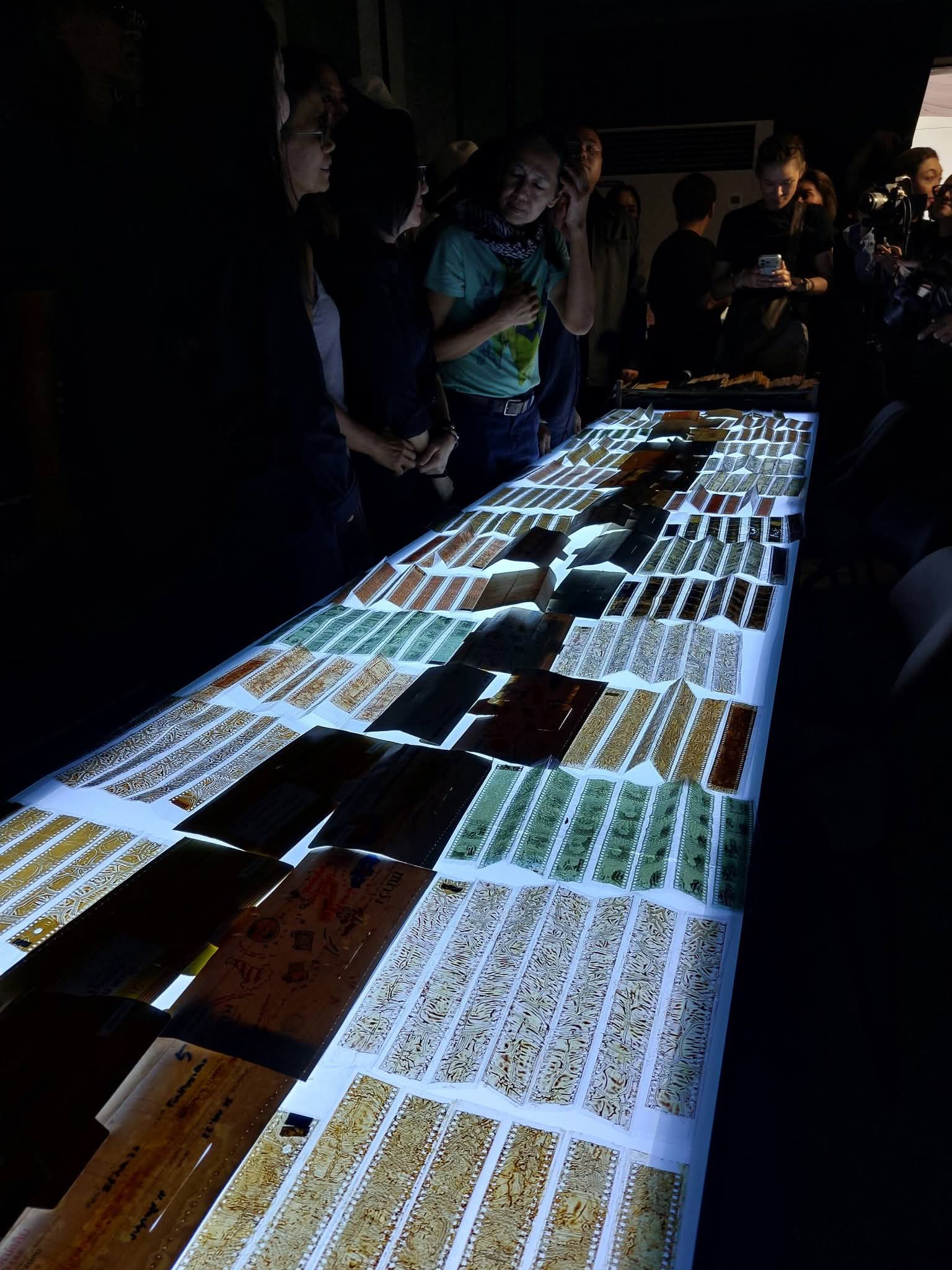
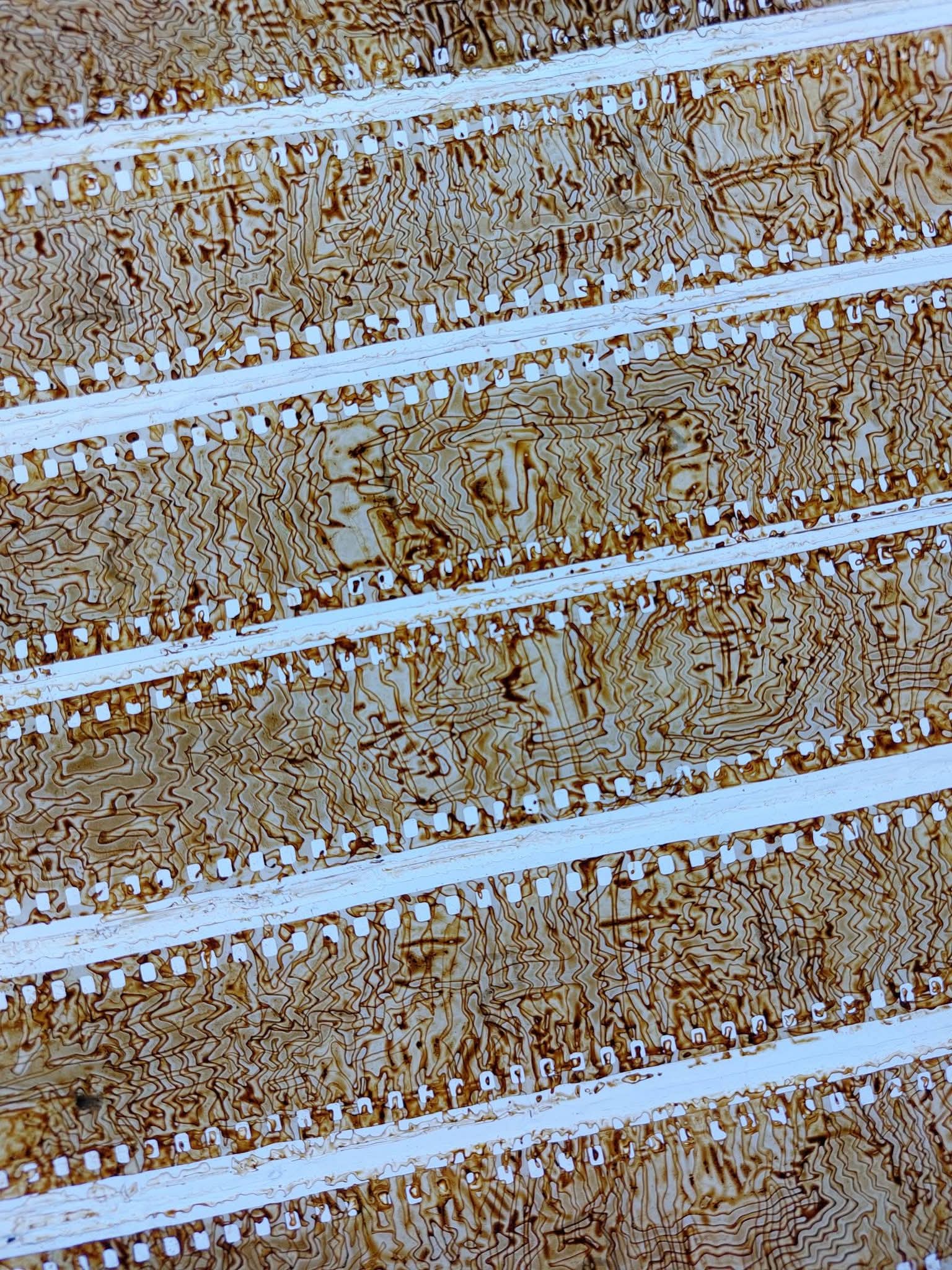
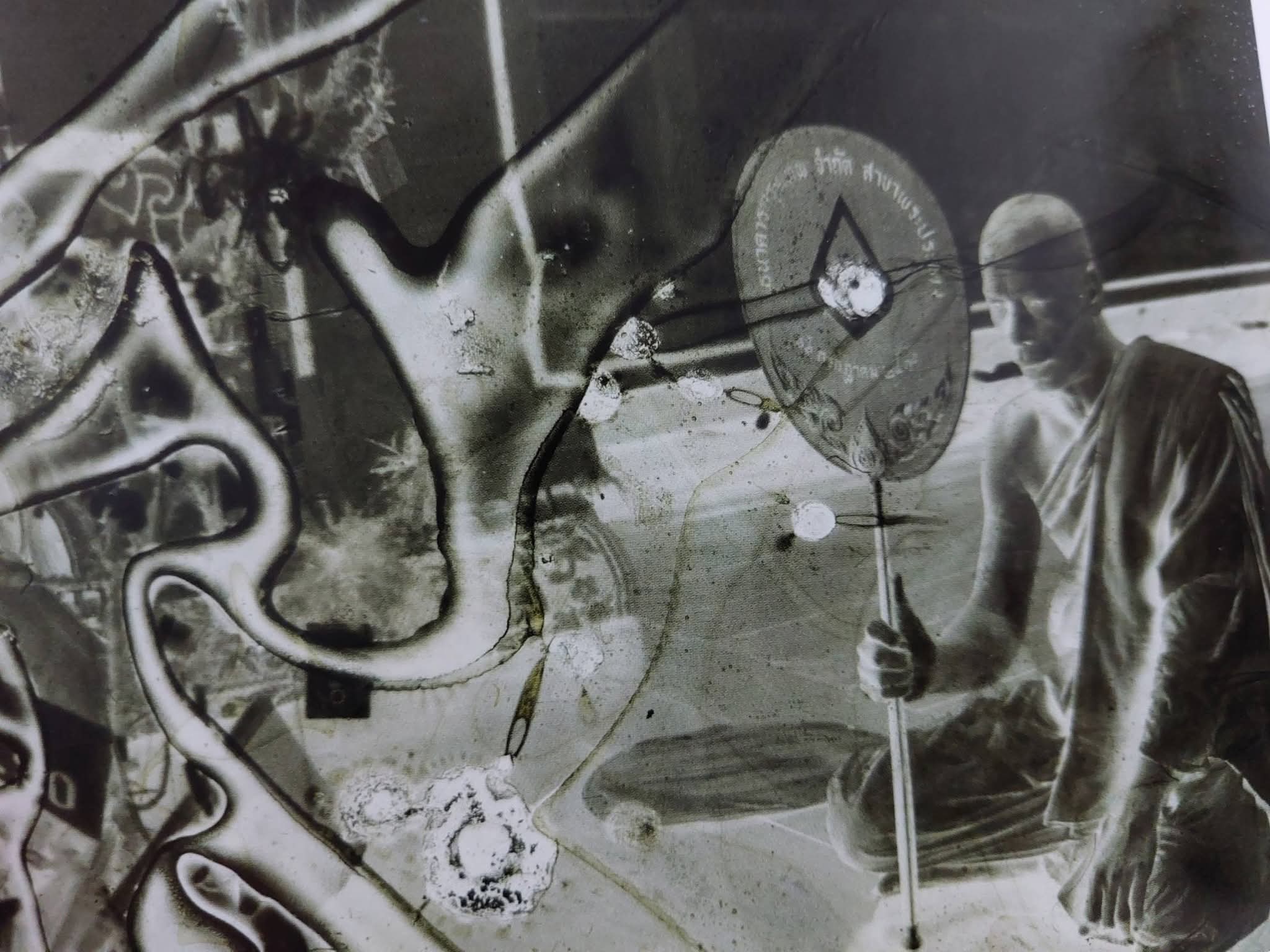
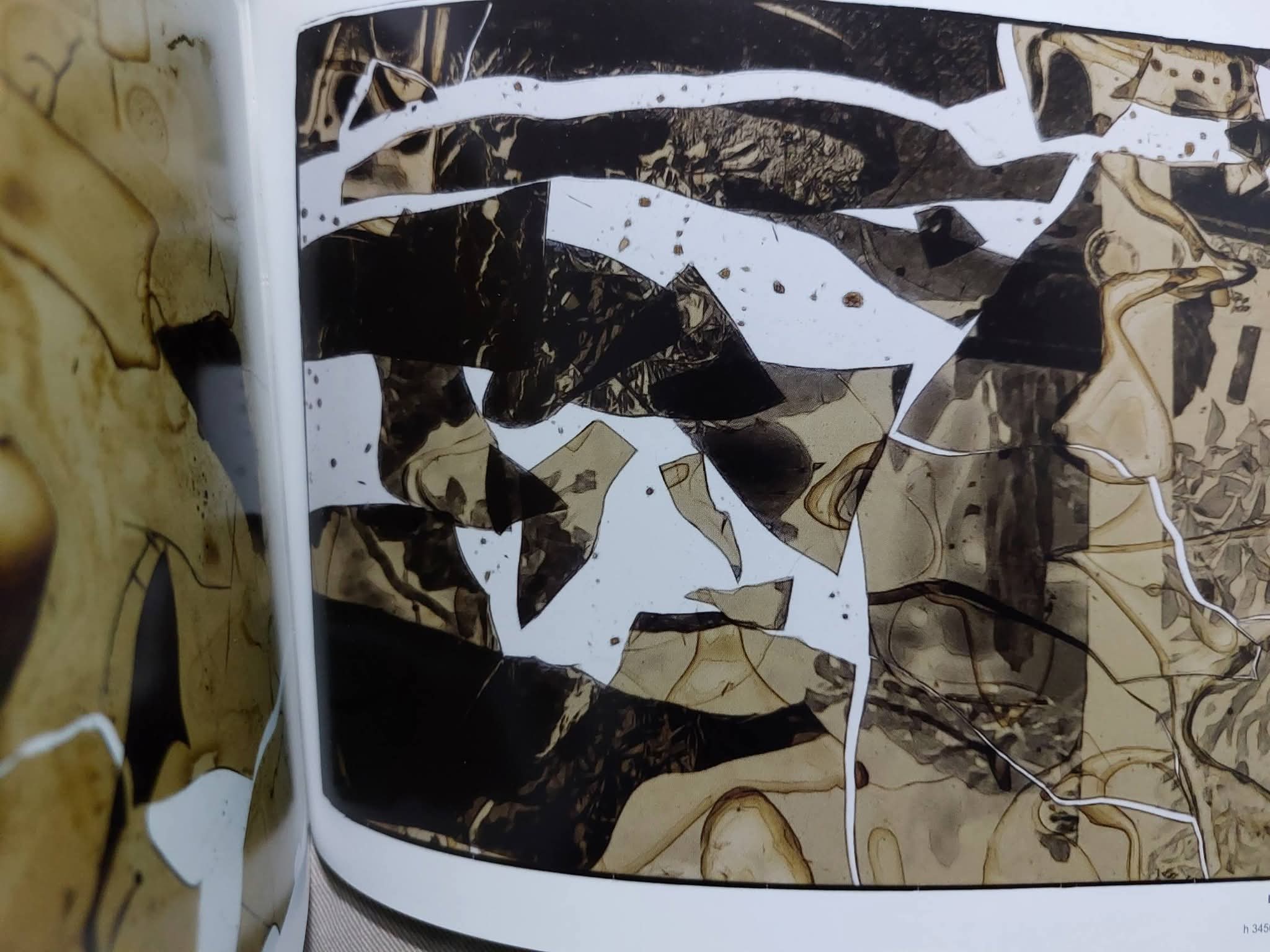
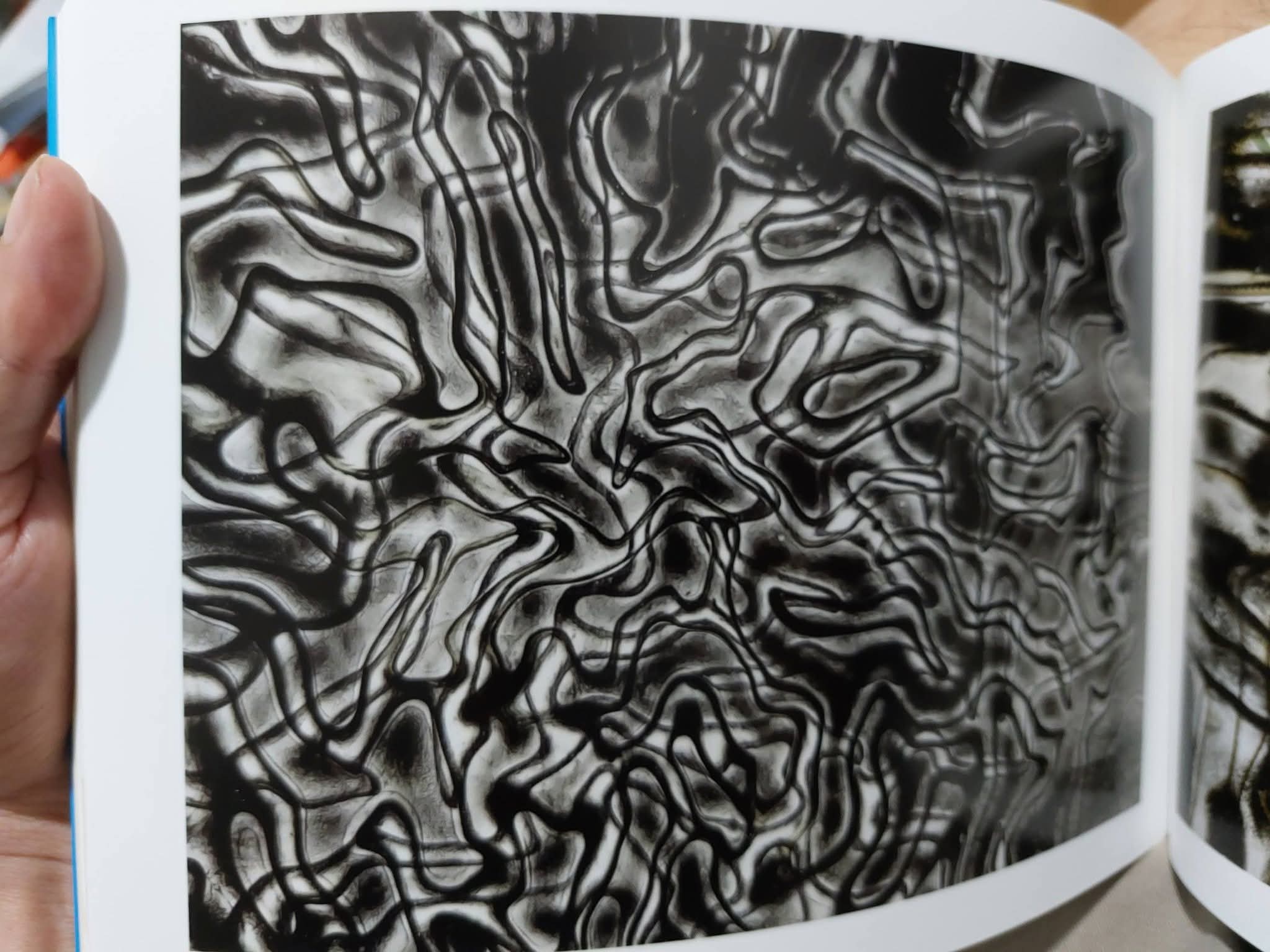
MELT is a group exhibition that brings together Thai artists from different disciplines around this condition of transformation. At its centre is MELT (2026), a project by Sutee Kunavichayanont (b. 1965) consisting of 500 rolls of photographic film produced between 1977 and the mid-1990s. Over time, the emulsion on these films melted and deteriorated to the point where much of the original imagery disappeared. A few strips still retain traces of their former subjects, but most have become something else entirely—abstract compositions that seem less photographed than painted onto the film itself.
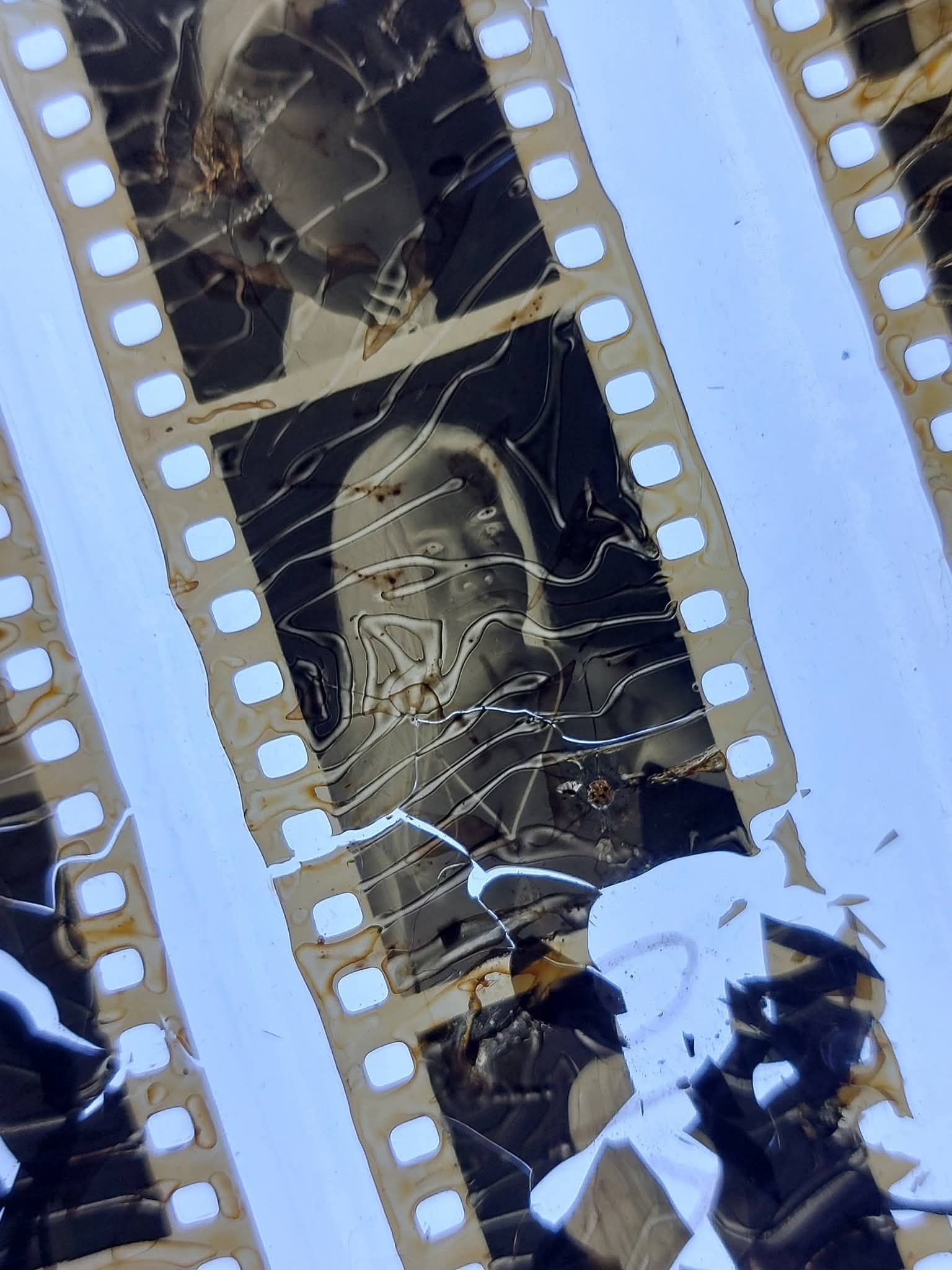
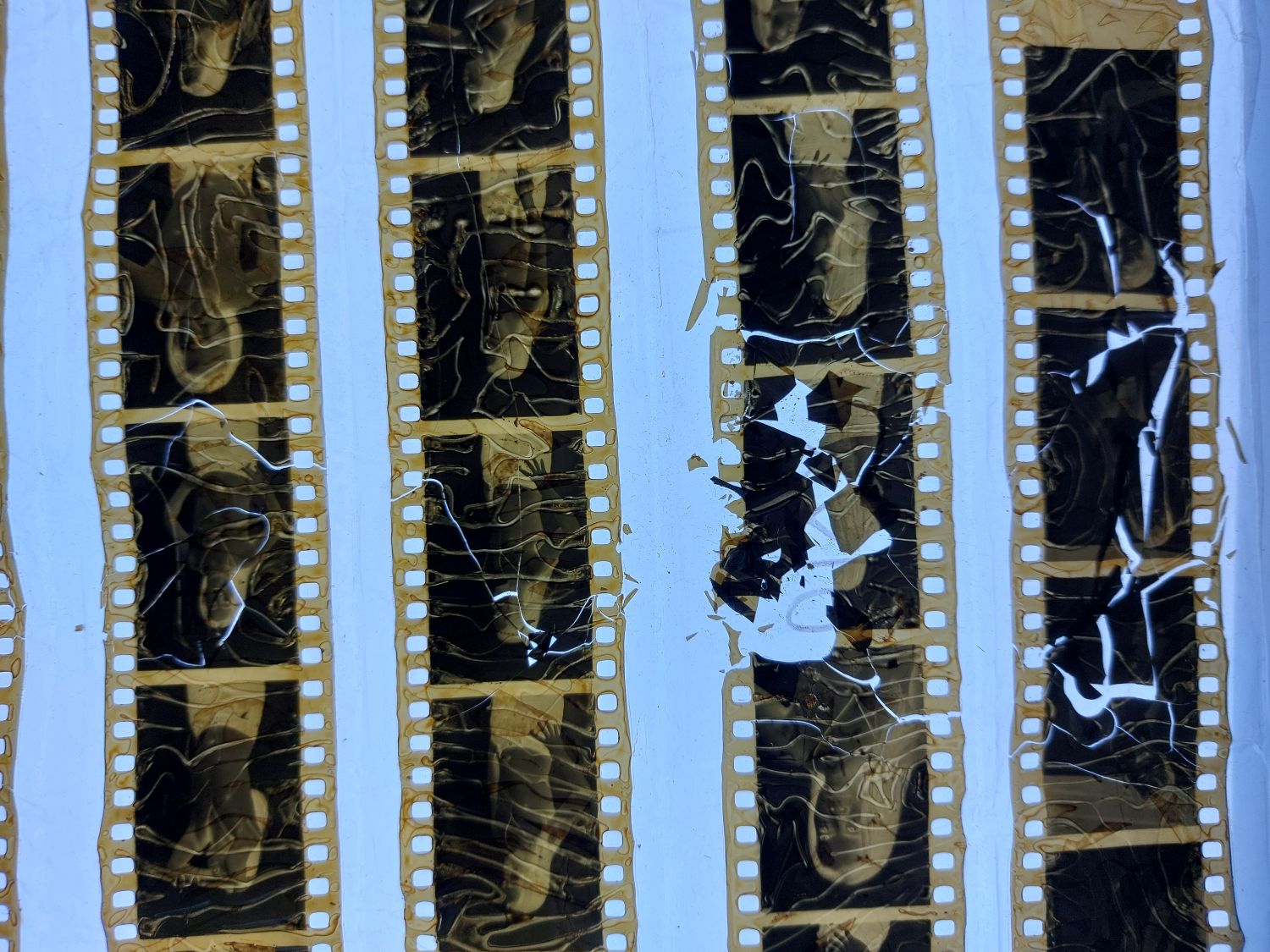
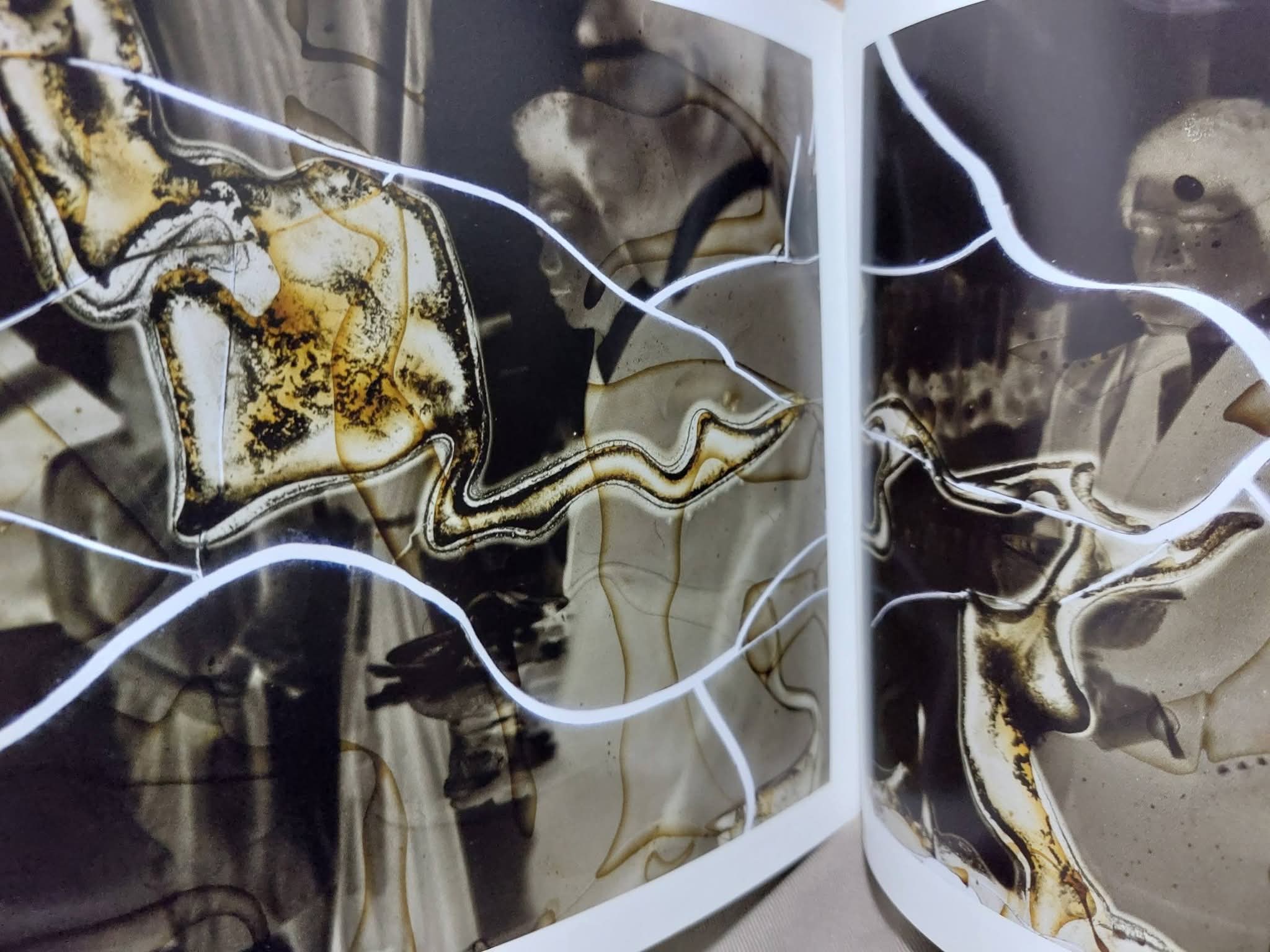
The work recalls ERODED MEMORIES PROJECT (2013) by Pramuan Burusphat (b. 1953), who explored a remarkably similar condition. Pramuan described two states of deterioration. In the first, enough of the original image survives for its former structure to remain visible. These fragments evoke memories that have begun to fade yet still retain a connection to a particular place and time (in his case, Bangkok in 1970). Sutee's work also remains tethered to specific moments through documentary records displayed elsewhere in the exhibition, where locations, dates, and times are carefully preserved.
The second state is one in which everything has disappeared. The image is gone, leaving only abstract forms and patterns behind. Here, time becomes the master, and deterioration its gift to the objects under its care. Though separated by more than a decade, both artists arrive at a strikingly similar way of visualizing this passage. Together, these works speak of memory (both personal and collective) as something that inevitably erodes.
They also point to the limitations of materials, and perhaps of human beings themselves. Humans, after all, are also objects of a kind. We cannot preserve information forever, no matter how often we transfer it from one form to another: from the mind to film, from film to digital files, from files to paper, hard drives, servers, and clouds. At a certain point, the artists relinquish ownership over these memories. They accept deterioration and transformation, not only in physical form but also in the stories and meanings that accumulate around an object over time. In one sense, this acceptance extends to the artists themselves.
Abandonment plays an important role in these works. The memories embodied in these materials were left behind for years before being encountered again through unexpected circumstances. Pramuan discovered that his own negatives had begun to melt, which reminded him of another collection of film once given to him by his father-in-law that had suffered the same fate. Manit Sriwanichpoom (b. 1961) similarly revisits fragments of old pornographic film that had partially melted over time, leaving marks that resemble a kind of natural censorship. Enlarged and presented as Dream Rendezvous (2026), these images emerged directly from his invitation to participate in this exhibition.
The artists create new memories from abandoned ones. Looking at these neglected materials anew, they begin to recognize meanings and values that had long gone unnoticed. They re-establish these objects, giving them another burden to bear—as though offering a measure of justice to memories that had been left behind. Placed upon pedestals within the exhibition space, these objects wait quietly for time and change to resume their patient, unwavering work once again.


MELT
June 18, 2026
ละ-ลาย
ความเสื่อมถอยของวัตถุทางศิลปะภาพถ่าย ส่วนใหญ่มักจะพบเจอจากการที่ศิลปินเข้าไปกระทำบางสิ่งบางอย่างต่อวัสดุทางภาพถ่ายนั้นโดยตั้งใจ ไม่ว่าจะเป็นฟิล์มลักษณะต่าง ๆ หรือภาพถ่ายที่อัดลงบนกระดาษหรือสื่อที่จับต้องได้ เช่นการขูดฟิล์ม ชุปฟิล์ม ตัด-เจาะภาพถ่ายบนกระดาษ การแสกน ฯลฯ ทำให้ภาพที่เป็นจริงเกิดความเสื่อมลง ถ้ามองว่าความสมบูรณ์ของภาพถ่ายเป็นจุดเริ่มต้นของเรื่อง อีกส่วนหนึ่งคือ การที่วัสดุเหล่านั้นเกิดการเสื่อมถอยเองตามสภาพ ซึ่งมักจะพบเจอกับวัสดุทางภาพถ่ายยุคเก่า อย่างเช่นฟิล์มหรือวัสดุอัดภาพต่าง ๆ ซึ่งถ้าเก็บรักษาไม่ดีแล้วก็จะถูกธรรมชาติเข้ามายึดครอง และสร้างสรรค์ผลงานราวกับเป็นเจ้าของวัตถุนั้นเสียเอง แล้วศิลปินก็นำเอาสิ่งที่พบเจอเหล่านี้มาแสดงในรูปแบบของชิ้นงานศิลปะชนิด found object (ภาษาไทยคือ สิ่งเก็บตก [แล้วเอามาทำงานศิลปะ - ผู้เขียน])
งานนิทรรศการกลุ่ม ละ-ลาย ที่มีศิลปินหลากหลายสาขามาร่วมกันจัดแสดง โดยงานหลักจะเป็นงานชื่อชุด ละ-ลาย (2569) ของ ศาสตราจารย์สุธี คุณาวิชยานนท์ ที่รวบรวมฟิล์มภาพถ่ายของเขาตั้งแต่ปี 2520 จนถึงกลางทศวรรษ 2540 จำนวน 500 ม้วน ที่เนื้อฟิล์มละลายเสียหายจนไม่เหลือสภาพเดิม มีบางชิ้นที่ยังคงเห็นถึงภาพดั้งเดิมอยู่บ้าง แต่ส่วนใหญ่กลายเป็นเหมือนภาพแนวนามธรรมที่ถูกวาดไว้บนแผ่นฟิล์ม
งานชิ้นนี้ทำให้นึกถึงงานของศิลปินภาพถ่ายอีกคนหนึ่งคือ อ.ประมวญ บุรุษพัฒน์ ที่ทำงานในรูปแบบคล้าย ๆ กันที่ชื่อ ERODED MEMORIES PROJECT (2556) โดยลักษณะที่ อ.ประมวญ ระบุไว้คือสองลักษณะ เป็นฟิล์มที่ยังพอเห็นเค้าเดิมอยู่บ้าง อันสื่อถึงความทรงจำที่ค่อย ๆ ลบเลือนไป เป็นความทรงจำที่มีปฏิสัมพันธ์ต่อสถานที่และช่วงเวลา (กรุงเทพฯ ปี 2513) ส่วนงานของศาสตราจารย์สุธีเองก็มีการอ้างถึงสถานที่และเวลา จากแผ่นเอกสารที่วางอยู่อีกที่หนึ่งในนิทรรศการ ซึ่งมีสถานที่ ช่วงเวลา ระบุไว้อย่างละเอียด อีกลักษณะที่ อ.ประมวญ ระบุไว้คือ ทุกอย่างเลือนหายไปทั้งหมด เหลือแต่รูปทรง-ลวดลายที่เป็นแนวนามธรรม อันเป็นความงามที่มีเวลาเป็นเจ้า และมอบความเสื่อมถอยเป็นรางวัลต่อวัตถุทาสเหล่านั้น ซึ่งทั้งสองศิลปินนำเสนอในรูปแบบใกล้เคียงกัน
ทั้งสองงานพูดถึงความทรงจำทั้งของส่วนตัวและส่วนรวม ที่กำลังเลือนหายไปเหตุจากกาลเวลา รวมถึงการไม่สมบูรณ์ของวัสดุและมนุษย์ (ซึ่งมนุษย์ก็เป็นวัตถุหนึ่ง) ที่ไม่อาจกักเก็บความข้อมูลความทรงจำได้ตลอดไป แม้จะพยายามถ่ายโอนภาพเหล่านั้นไปยังวัสดุอื่นก็ตาม (ภาพในสมอง->บนแผ่นฟิล์ม->บนไฟล์->บนกระดาษ->บนฮาร์ดดิสก์-> บนคลาวด์ ฯลฯ) ศิลปินละทิ้งความเป็น 'เจ้า' ของความทรงจำเหล่านั้น ยอมรับกับความถดถอย-เปลี่ยนแปลง ทั้งเรื่องทางกายภาพและนิยามของเรื่องราวที่แวดล้อมวัตถุศิลปะอยู่--รวมถึงตัวของศิลปินเองด้วยในบริบทหนึ่ง
การละทิ้งยังรวมถึงการปล่อยทิ้งความทรงจำทางกายภาพ--ความทรงจำถูกละทิ้งไประยะเวลาหนึ่ง และศิลปินพบเจอพวกมันอีกครั้งจากตัวกระตุ้นบางอย่าง เช่น อ.ประมวญ เจอฟิล์มของตัวเองละลาย ทำให้จำได้ว่าพ่อตาเคยให้ฟิล์มมาจำนวนหนึ่ง และพวกมันก็ละลายหมดเช่นกัน หรือ มานิต ศรีวานิชภูมิ นำเศษฟิล์มหนังโป๊เก่า (ละลายแล้วบางส่วน จนดูเหมือนถูกเซ็นเซอร์โดยธรรมชาติ) ที่เคยได้รับมาเมื่อนานมาแล้ว นำมาขยายใหญ่และจัดแสดงในชื่อ Dream Rendezvous (2569) ซึ่งก็ถูกกระตุ้นจากการที่ต้องจัดแสดงนิทรรศการในครั้งนี้
ศิลปินสร้าง 'ความทรงจำบทใหม่' จาก 'ความทรงจำปล่อยทิ้ง' ตระหนักถึงความหมาย-คุณค่าของพวกมันในลักษณะที่ต่างออกไป พวกเขาสถาปนาและมอบภาระรูปแบบใหม่ในเชิงศิลปะ ราวกับกำลังชดเชยความเป็นธรรมให้กับความทรงจำที่ถูกละเลยเหล่านั้น แล้วก็จัดวางไว้บนแท่น ณ พื้นที่จัดแสดงทางศิลปะ เฝ้ารอกาลเวลาและความเปลี่ยนแปลงเข้ามาทำตามหน้าที่ที่แสนมั่นคงถาวรของพวกมันอีกครั้ง
ความเสื่อมถอยของวัตถุทางศิลปะภาพถ่าย ส่วนใหญ่มักจะพบเจอจากการที่ศิลปินเข้าไปกระทำบางสิ่งบางอย่างต่อวัสดุทางภาพถ่ายนั้นโดยตั้งใจ ไม่ว่าจะเป็นฟิล์มลักษณะต่าง ๆ หรือภาพถ่ายที่อัดลงบนกระดาษหรือสื่อที่จับต้องได้ เช่นการขูดฟิล์ม ชุปฟิล์ม ตัด-เจาะภาพถ่ายบนกระดาษ การแสกน ฯลฯ ทำให้ภาพที่เป็นจริงเกิดความเสื่อมลง ถ้ามองว่าความสมบูรณ์ของภาพถ่ายเป็นจุดเริ่มต้นของเรื่อง อีกส่วนหนึ่งคือ การที่วัสดุเหล่านั้นเกิดการเสื่อมถอยเองตามสภาพ ซึ่งมักจะพบเจอกับวัสดุทางภาพถ่ายยุคเก่า อย่างเช่นฟิล์มหรือวัสดุอัดภาพต่าง ๆ ซึ่งถ้าเก็บรักษาไม่ดีแล้วก็จะถูกธรรมชาติเข้ามายึดครอง และสร้างสรรค์ผลงานราวกับเป็นเจ้าของวัตถุนั้นเสียเอง แล้วศิลปินก็นำเอาสิ่งที่พบเจอเหล่านี้มาแสดงในรูปแบบของชิ้นงานศิลปะชนิด found object (ภาษาไทยคือ สิ่งเก็บตก [แล้วเอามาทำงานศิลปะ - ผู้เขียน])
งานนิทรรศการกลุ่ม ละ-ลาย ที่มีศิลปินหลากหลายสาขามาร่วมกันจัดแสดง โดยงานหลักจะเป็นงานชื่อชุด ละ-ลาย (2569) ของ ศาสตราจารย์สุธี คุณาวิชยานนท์ ที่รวบรวมฟิล์มภาพถ่ายของเขาตั้งแต่ปี 2520 จนถึงกลางทศวรรษ 2540 จำนวน 500 ม้วน ที่เนื้อฟิล์มละลายเสียหายจนไม่เหลือสภาพเดิม มีบางชิ้นที่ยังคงเห็นถึงภาพดั้งเดิมอยู่บ้าง แต่ส่วนใหญ่กลายเป็นเหมือนภาพแนวนามธรรมที่ถูกวาดไว้บนแผ่นฟิล์ม
งานชิ้นนี้ทำให้นึกถึงงานของศิลปินภาพถ่ายอีกคนหนึ่งคือ อ.ประมวญ บุรุษพัฒน์ ที่ทำงานในรูปแบบคล้าย ๆ กันที่ชื่อ ERODED MEMORIES PROJECT (2556) โดยลักษณะที่ อ.ประมวญ ระบุไว้คือสองลักษณะ เป็นฟิล์มที่ยังพอเห็นเค้าเดิมอยู่บ้าง อันสื่อถึงความทรงจำที่ค่อย ๆ ลบเลือนไป เป็นความทรงจำที่มีปฏิสัมพันธ์ต่อสถานที่และช่วงเวลา (กรุงเทพฯ ปี 2513) ส่วนงานของศาสตราจารย์สุธีเองก็มีการอ้างถึงสถานที่และเวลา จากแผ่นเอกสารที่วางอยู่อีกที่หนึ่งในนิทรรศการ ซึ่งมีสถานที่ ช่วงเวลา ระบุไว้อย่างละเอียด อีกลักษณะที่ อ.ประมวญ ระบุไว้คือ ทุกอย่างเลือนหายไปทั้งหมด เหลือแต่รูปทรง-ลวดลายที่เป็นแนวนามธรรม อันเป็นความงามที่มีเวลาเป็นเจ้า และมอบความเสื่อมถอยเป็นรางวัลต่อวัตถุทาสเหล่านั้น ซึ่งทั้งสองศิลปินนำเสนอในรูปแบบใกล้เคียงกัน
ทั้งสองงานพูดถึงความทรงจำทั้งของส่วนตัวและส่วนรวม ที่กำลังเลือนหายไปเหตุจากกาลเวลา รวมถึงการไม่สมบูรณ์ของวัสดุและมนุษย์ (ซึ่งมนุษย์ก็เป็นวัตถุหนึ่ง) ที่ไม่อาจกักเก็บความข้อมูลความทรงจำได้ตลอดไป แม้จะพยายามถ่ายโอนภาพเหล่านั้นไปยังวัสดุอื่นก็ตาม (ภาพในสมอง->บนแผ่นฟิล์ม->บนไฟล์->บนกระดาษ->บนฮาร์ดดิสก์-> บนคลาวด์ ฯลฯ) ศิลปินละทิ้งความเป็น 'เจ้า' ของความทรงจำเหล่านั้น ยอมรับกับความถดถอย-เปลี่ยนแปลง ทั้งเรื่องทางกายภาพและนิยามของเรื่องราวที่แวดล้อมวัตถุศิลปะอยู่--รวมถึงตัวของศิลปินเองด้วยในบริบทหนึ่ง
การละทิ้งยังรวมถึงการปล่อยทิ้งความทรงจำทางกายภาพ--ความทรงจำถูกละทิ้งไประยะเวลาหนึ่ง และศิลปินพบเจอพวกมันอีกครั้งจากตัวกระตุ้นบางอย่าง เช่น อ.ประมวญ เจอฟิล์มของตัวเองละลาย ทำให้จำได้ว่าพ่อตาเคยให้ฟิล์มมาจำนวนหนึ่ง และพวกมันก็ละลายหมดเช่นกัน หรือ มานิต ศรีวานิชภูมิ นำเศษฟิล์มหนังโป๊เก่า (ละลายแล้วบางส่วน จนดูเหมือนถูกเซ็นเซอร์โดยธรรมชาติ) ที่เคยได้รับมาเมื่อนานมาแล้ว นำมาขยายใหญ่และจัดแสดงในชื่อ Dream Rendezvous (2569) ซึ่งก็ถูกกระตุ้นจากการที่ต้องจัดแสดงนิทรรศการในครั้งนี้
ศิลปินสร้าง 'ความทรงจำบทใหม่' จาก 'ความทรงจำปล่อยทิ้ง' ตระหนักถึงความหมาย-คุณค่าของพวกมันในลักษณะที่ต่างออกไป พวกเขาสถาปนาและมอบภาระรูปแบบใหม่ในเชิงศิลปะ ราวกับกำลังชดเชยความเป็นธรรมให้กับความทรงจำที่ถูกละเลยเหล่านั้น แล้วก็จัดวางไว้บนแท่น ณ พื้นที่จัดแสดงทางศิลปะ เฝ้ารอกาลเวลาและความเปลี่ยนแปลงเข้ามาทำตามหน้าที่ที่แสนมั่นคงถาวรของพวกมันอีกครั้ง
Sutee Kunavichayanont - Melt (2026)
Pramuan Burusphat - ERODED MEMORIES PROJECT (2013)
© CTypeMag 2016 - 2026

