

Make Pictorial Great Again!
September 18, 2026
ในการเลือกงานภาพถ่ายในหัวข้อ เรื่องปลายเปิด (Open-Ended) ในครั้งนี้ จากที่สังเกตแล้ว มีงานที่มีลักษณะสไตล์ของภาพ Pictorial เข้ามาหลายงาน โดยเฉพาะที่ได้คัดเลือกตีพิมพ์ในนิตยสารก็ปาเข้าไปแล้วสองสามชิ้น และยังมีที่เป็นผู้เข้ารอบสุดท้าย (Finalist) อีกด้วย หรือว่าผมกำลังชื่นชอบงานแนวนี้เข้าให้แล้ว
Pictorial เป็นรูปแบบงานที่มักเน้นอารมณ์ของภาพ, เทคนิคการตกแต่งภาพ (Post-processing) อย่างพิถีพิถัน, การบิดเบือนความจริงให้งดงามชวนฝัน, มีแนวโน้มที่จะตัดตอนบริบทในเชิงลึกของเนื้อหาออกไป แสดงให้เห็นถึงความงามที่มาจากการตกแต่งภาพขนานใหญ่ในห้องมืด (รวมถึงโฟโต้ช็อป) และการเน้นหนักเรื่องระเบียบพิธีของกระบวนการทางภาพถ่ายทั้งก่อน และหลังอย่างมาก
การตัดตอนบริบทเหล่านั้น เป็นวิธีการเลือกและขับเน้น “ความงาม-ความจริง” ที่ไม่ได้มาจากความคมของเลนส์ หรือความจริงจากสิ่งที่เป็นอยู่ เหมือนที่ ‘สมัยใหม่นิยม’ ทำ หากเป็นความจริงที่มาจาก จิตใจ ความคิด และอารมณ์เบื้องลึกของศิลปิน ในขณะเดียวกัน ก็อาจพาลให้นึกถึงการไม่ยินดียินร้ายต่อสิ่งที่เปลี่ยนแปลง และเกิดขึ้นในสังคมรอบตัว (หรือแม้สิ่งที่กำลังถ่ายอยู่ก็ตาม) ดูแล้วเหมือนอยากจะ “แช่แข็ง” อะไรต่อมิอะไรให้คงอยู่เพื่องานภาพถ่ายที่ตัวเองรักตลอดไป
การแช่แข็งชนิดนี้ก็ดูเหมือนจะเป็นส่วนผสมสำคัญของความต้องการที่จะ “อนุรักษ์” ในทุกสิ่ง ไม่ว่าจะสังคม วัฒนธรรม ชีวิตผู้คน จนเกิดการสร้างกฎระเบียบประเพณีของกลุ่มก้อน การให้ยศให้ตำแหน่ง ซึ่งเหล่าคนที่ถึงพร้อมในหลาย ๆ ด้านมักจะเข้าอกเข้าใจในเรื่องทำนองนี้เป็นอย่างดี และศิลปะภาพถ่ายแขนงนี้ก็ได้รับความนิยมมาอย่างต่อเนื่อง (โดยเฉพาะคนกลุ่มที่ถึงพร้อม) แม้ว่าต้นธารจะเหือดแห้งไปแล้วตั้งแต่ต้นศตวรรษที่ 20 จากคลื่นของ “สมัยใหม่นิยม” เข้ามาแทนที่ และความหฤโหดของสงครามโลกครั้งที่ 1 ที่ทำให้เหล่าคนหลังสงครามไม่ได้ให้ความนิยม “ความงาม-ความสุข” ของภาพสไตล์นี้เหมือนดังแต่ก่อน
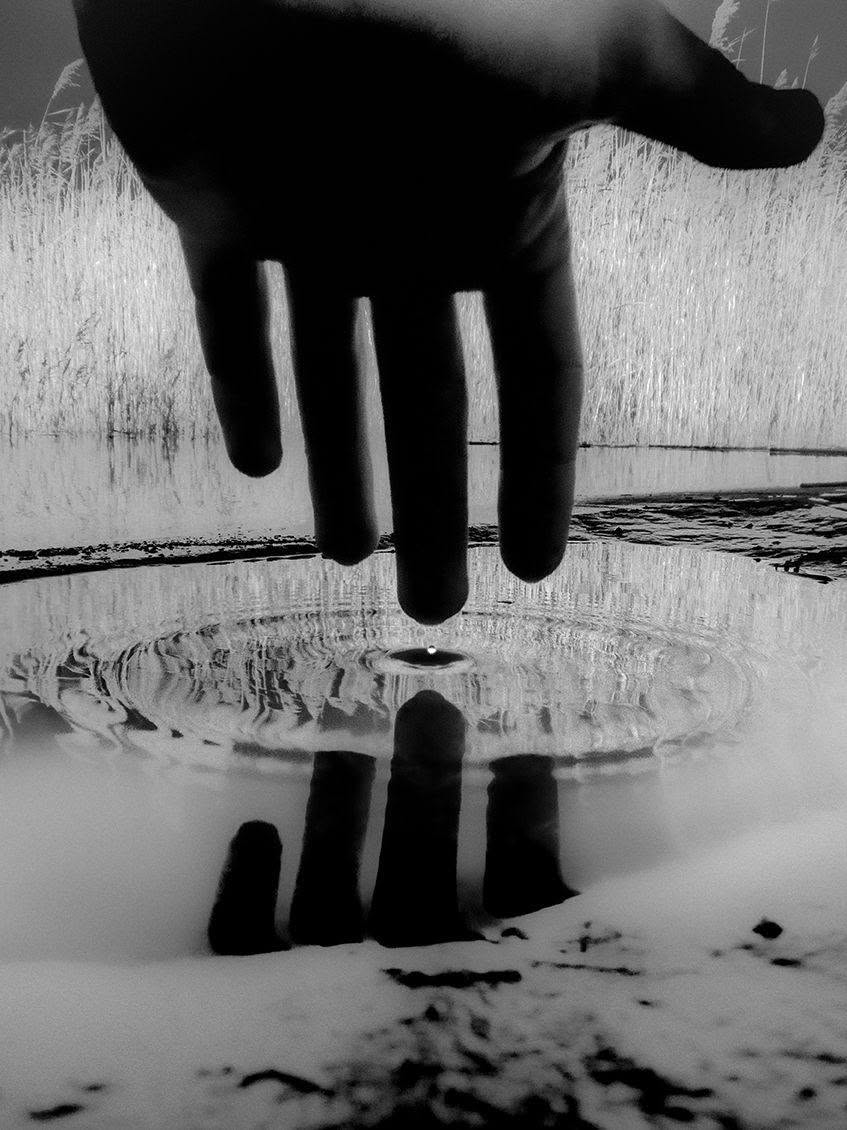
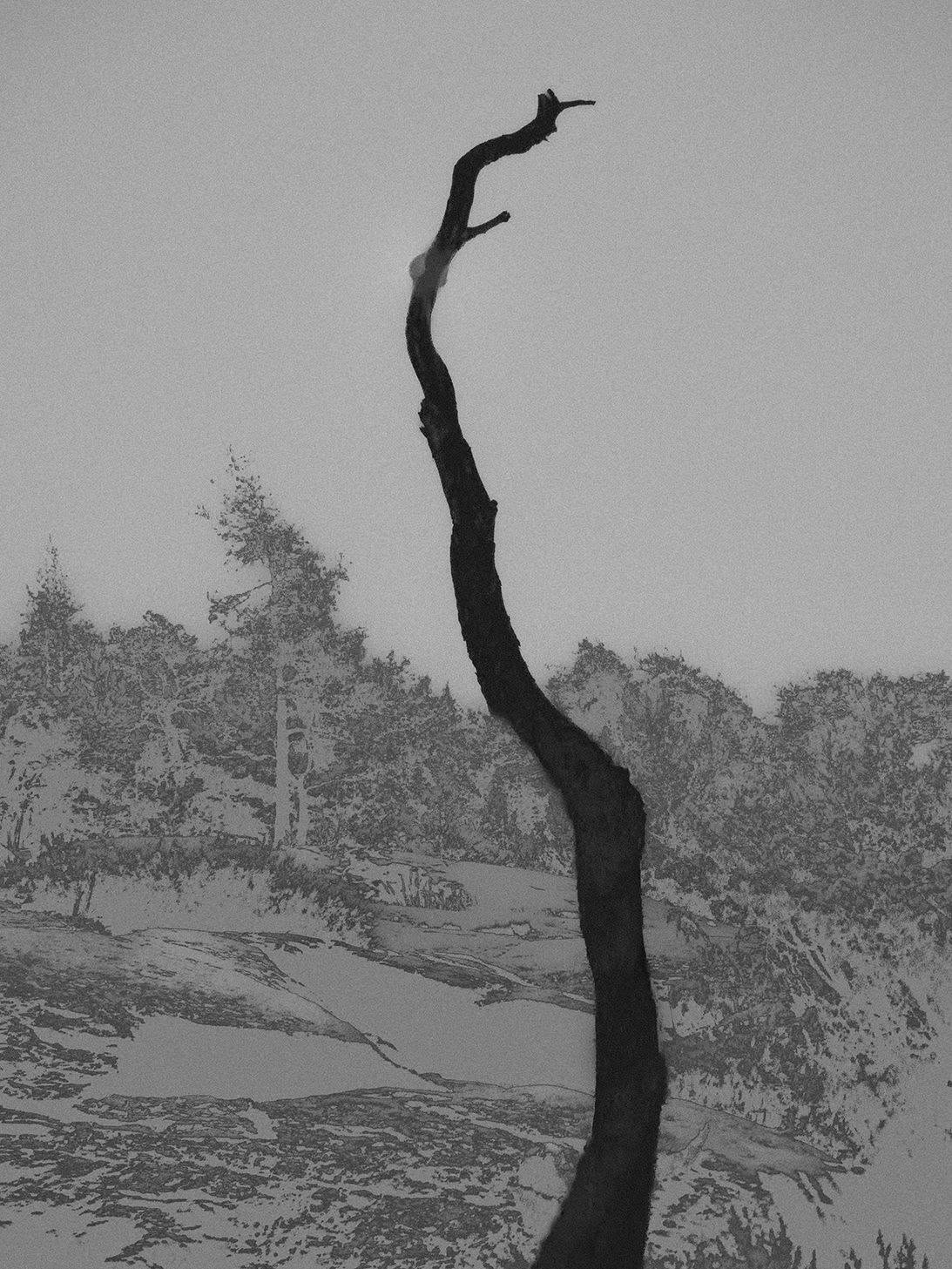
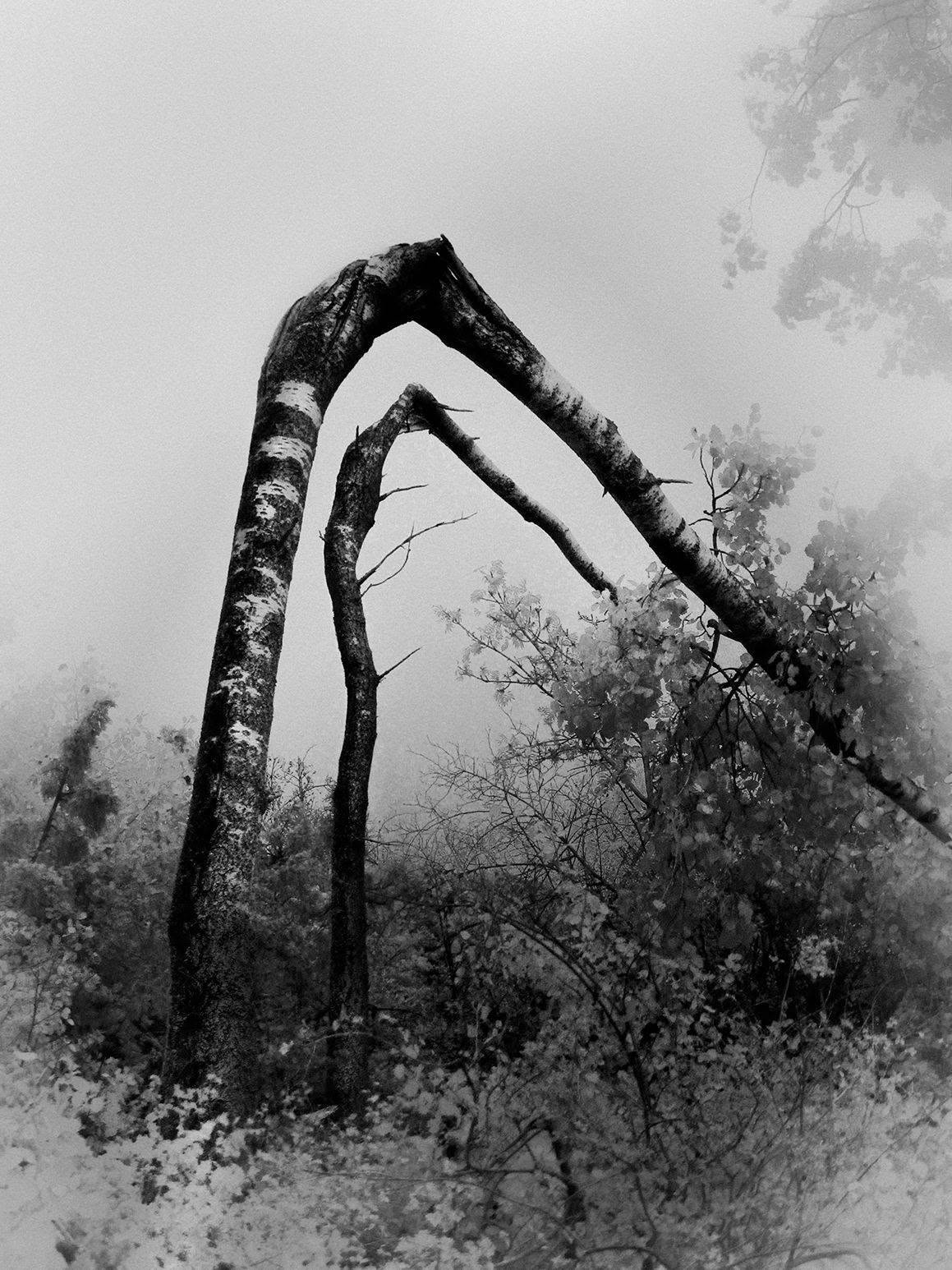
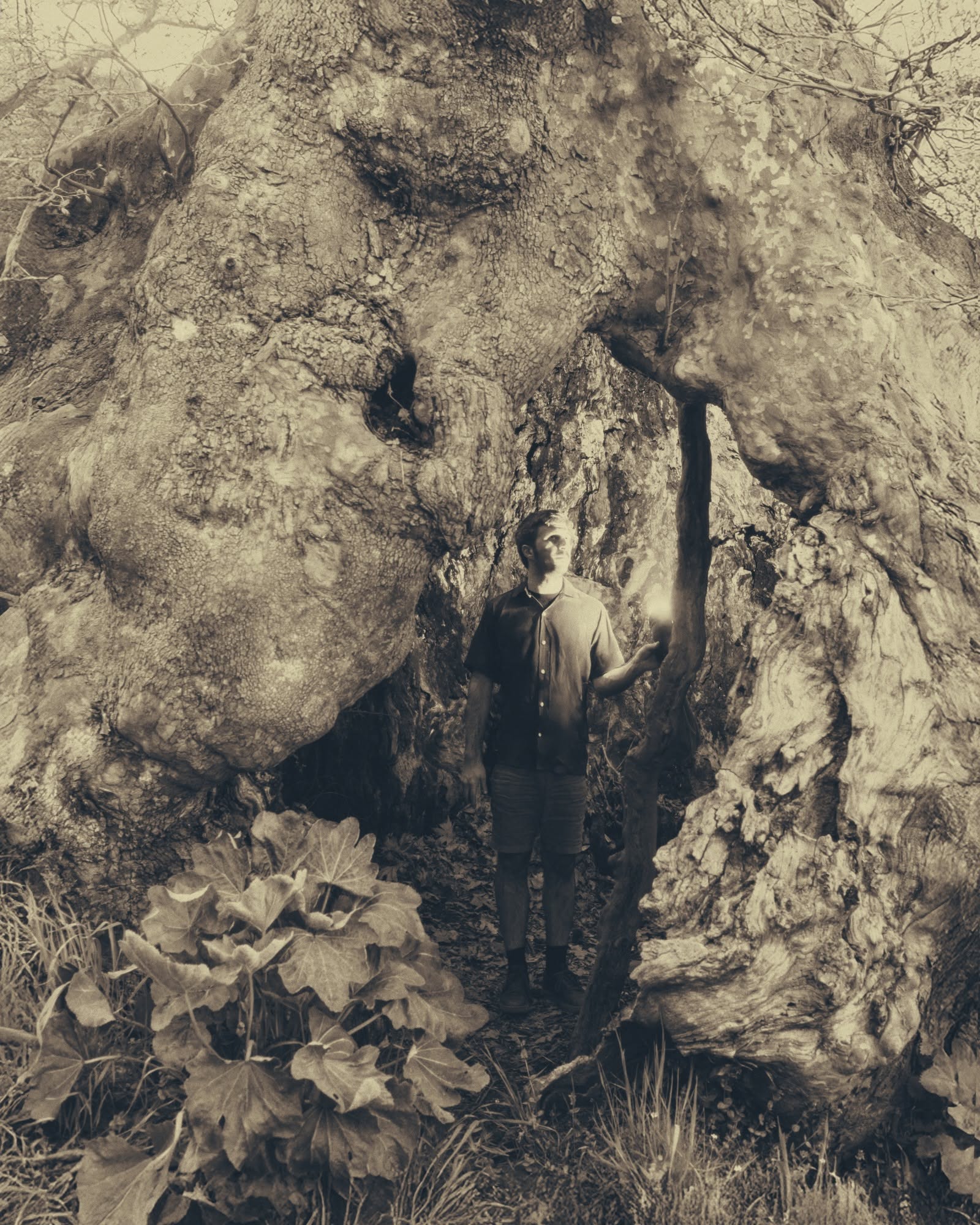
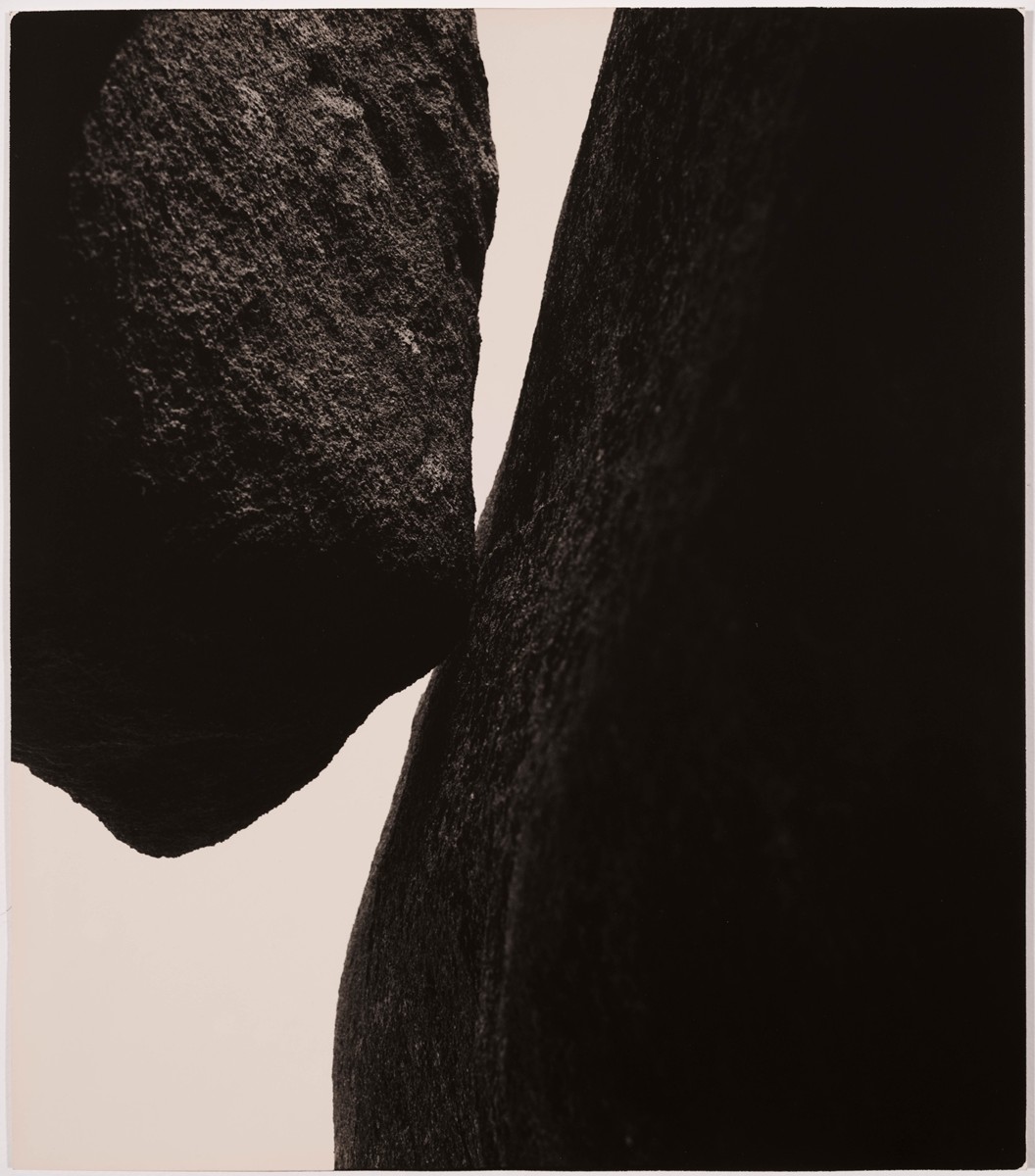
งานใน Open-Ended อาจไม่ได้ “อนุรักษ์” ขนาดนั้น แต่ศิลปินหยิบยืมเอากลิ่นอายด้านภาพ และเทคนิคมาดำเนินเรื่องราวในเชิงลึกของธรรมชาติ มนุษย์ และความเป็นนามธรรม อย่างงานของ You can't enter the same river twice (คุณไม่สามารถลงไปในแม่น้ำสายเดิมได้สองครั้ง) ของ ฟรานซิสโก กอนซาเลซ คามาโช (Francisco Gonzalez Camacho) ที่ถ่ายภาพธรรมชาติของความไม่เที่ยงแท้ โดยยกตัวอย่าง รูปทรงที่บิดงอ แตกหัก ของธรรมชาติที่ถูกเซาะกร่อนโดยพลังของสายน้ำ ช่วงการเปลี่ยนผ่านของสรรพสิ่งที่ไม่เคยมีพยานรู้เห็น แต่ศิลปินได้ก้าวเข้าไปเป็นประจักษ์พยานของปรากฏการณ์เหล่านั้น
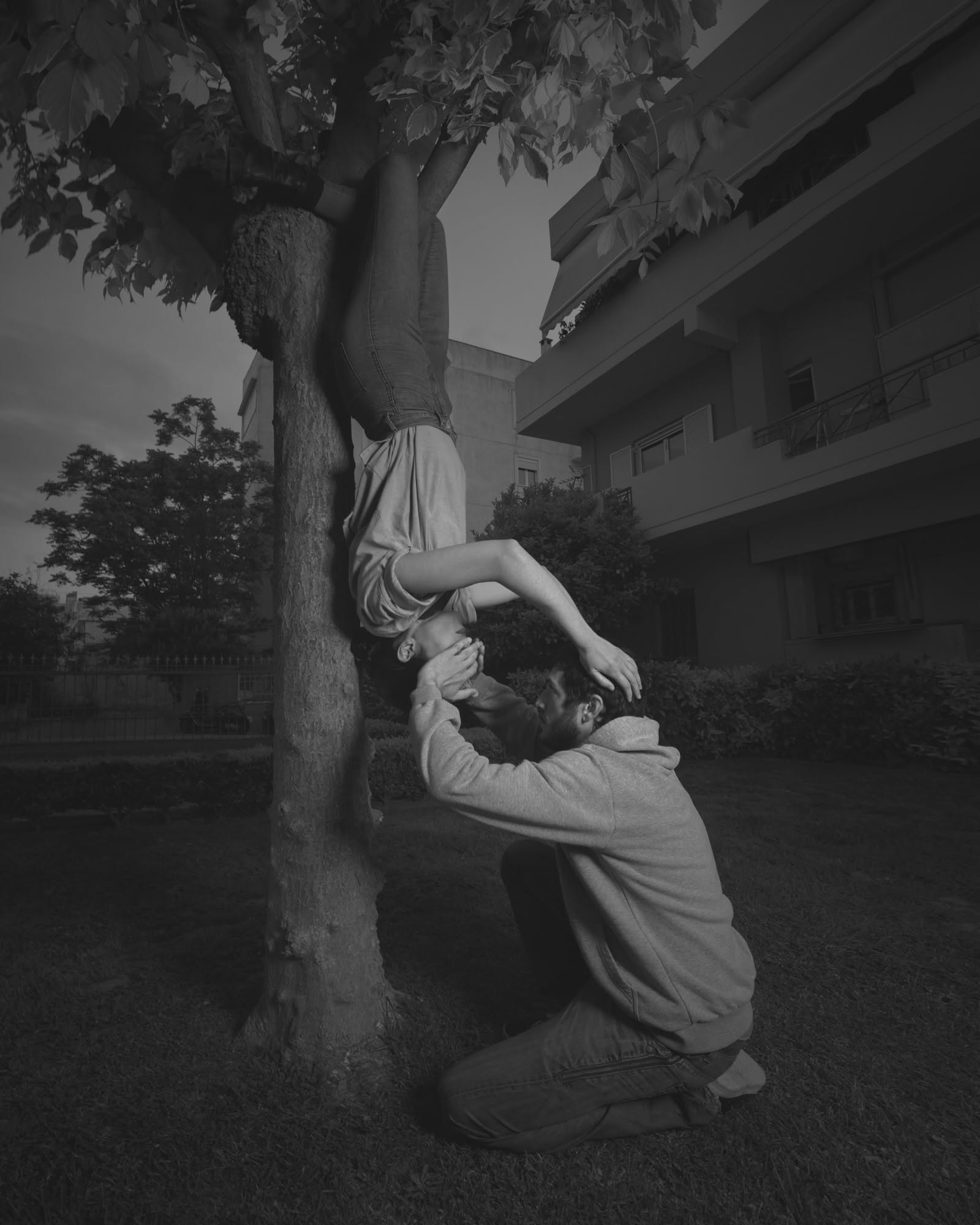
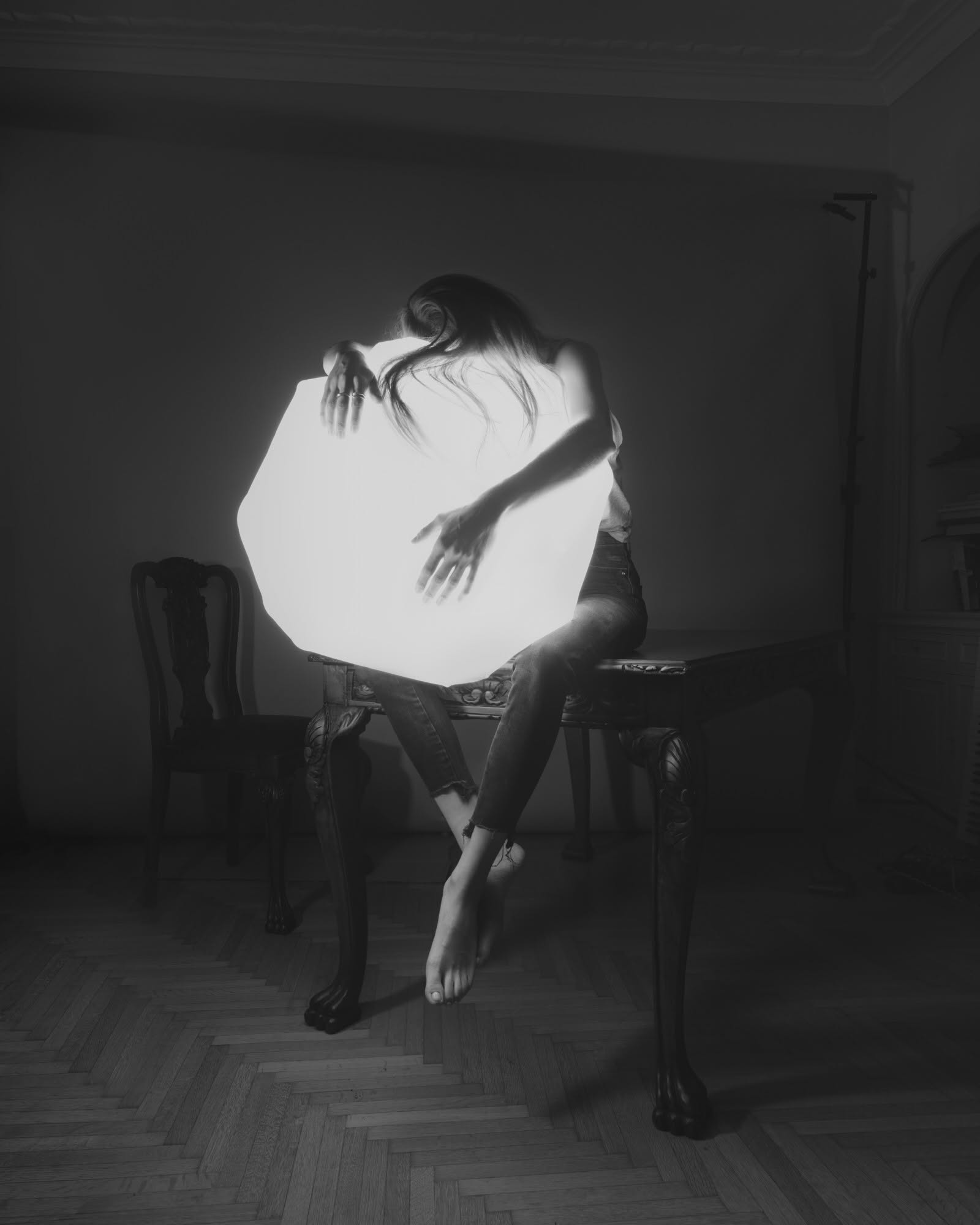
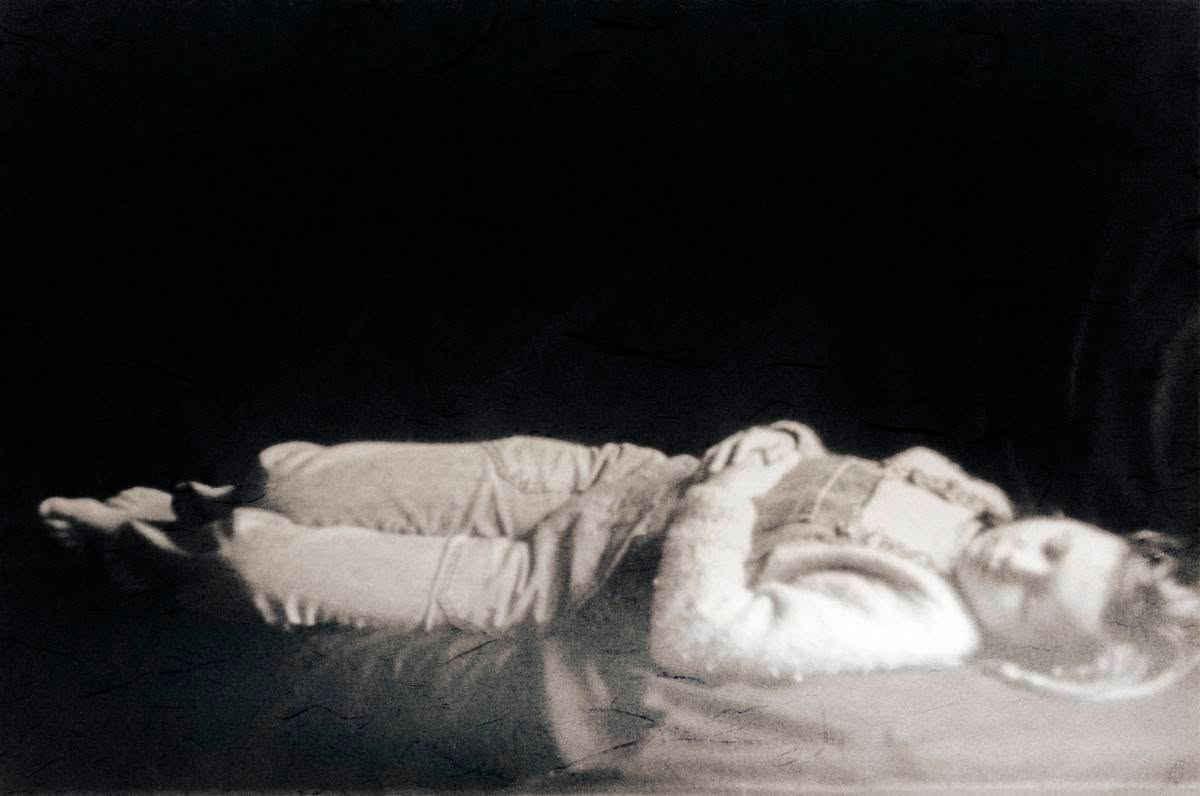
Blank Verse (กลอนเปล่า) ของ มาเรีย ซอร์บา (Maria Siorba) ที่ภาพมีความเป็น Pictorial บ้างพอสมควร มีทั้งภาพขาวดำและสี การเซ็ทฉากถ่ายภาพ บรรยากาศของอารมณ์แผ่กระจายไปทั้งชุดภาพ งานเล่าถึงการเข้าไปสังเกตความสัมพันธ์ของมนุษย์ที่แสนจะคลุมเครือ มาเรียตั้งคำถามที่สำคัญว่า
"เราจะเข้าใจคนอื่นได้อย่างไร ในเมื่อประสบการณ์ของพวกเขาเป็นสิ่งที่ไม่อาจเข้าถึงได้อย่างสมบูรณ์"
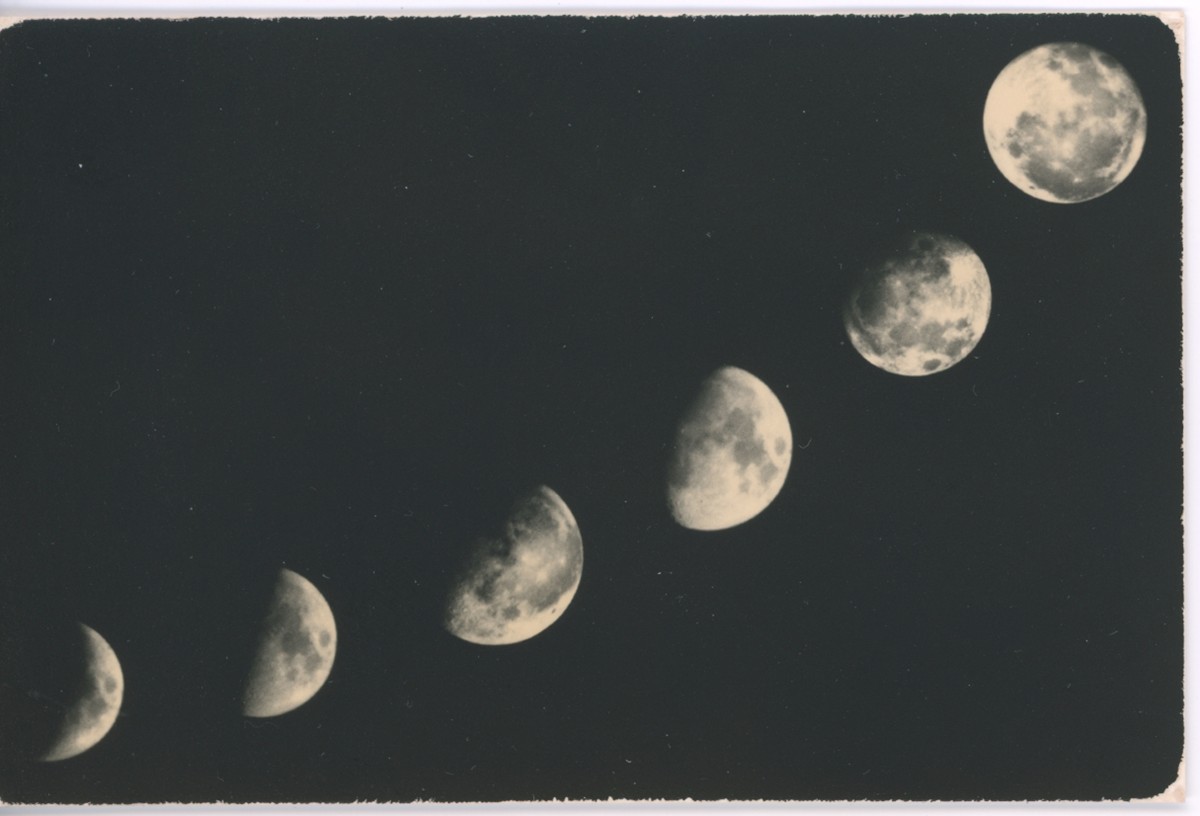
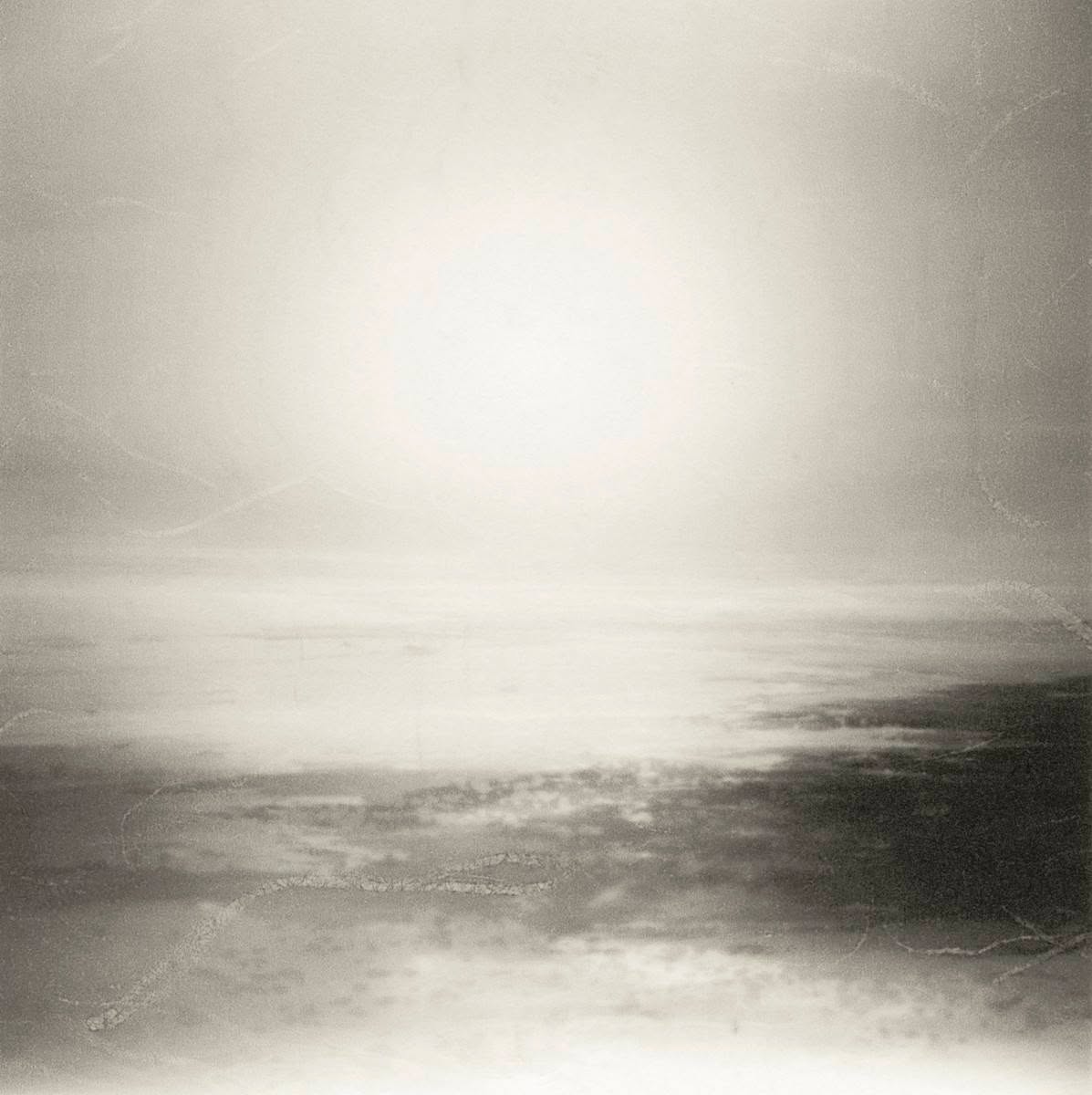
Among the Interstices (ท่ามกลางช่องว่าง) โดย ซินซั่ว จั๋ว (Xinshuo Zhuo) ที่ใช้ความงามทางภาพถ่ายแบบดั้งเดิมมาเป็นตัวแทนของอารมณ์ ความทรงจำ และบาดแผลในอดีตของศิลปิน ผ่านทางความไม่ต่อเนื่องทางวัตถุและสถานที่ จนเกิดช่องว่างดำขาว ที่ทำงานอย่างต่อเนื่องกับสมองของเรา เหมือนถูกกระตุ้นด้วยกลิ่นหอม หรือเสียงบางอย่างที่คุ้นเคยในอดีต ฉุดลากผู้ชมให้หลงลึกเข้าไปในหลุมโพรงอันว่างเปล่าพวกนั้น
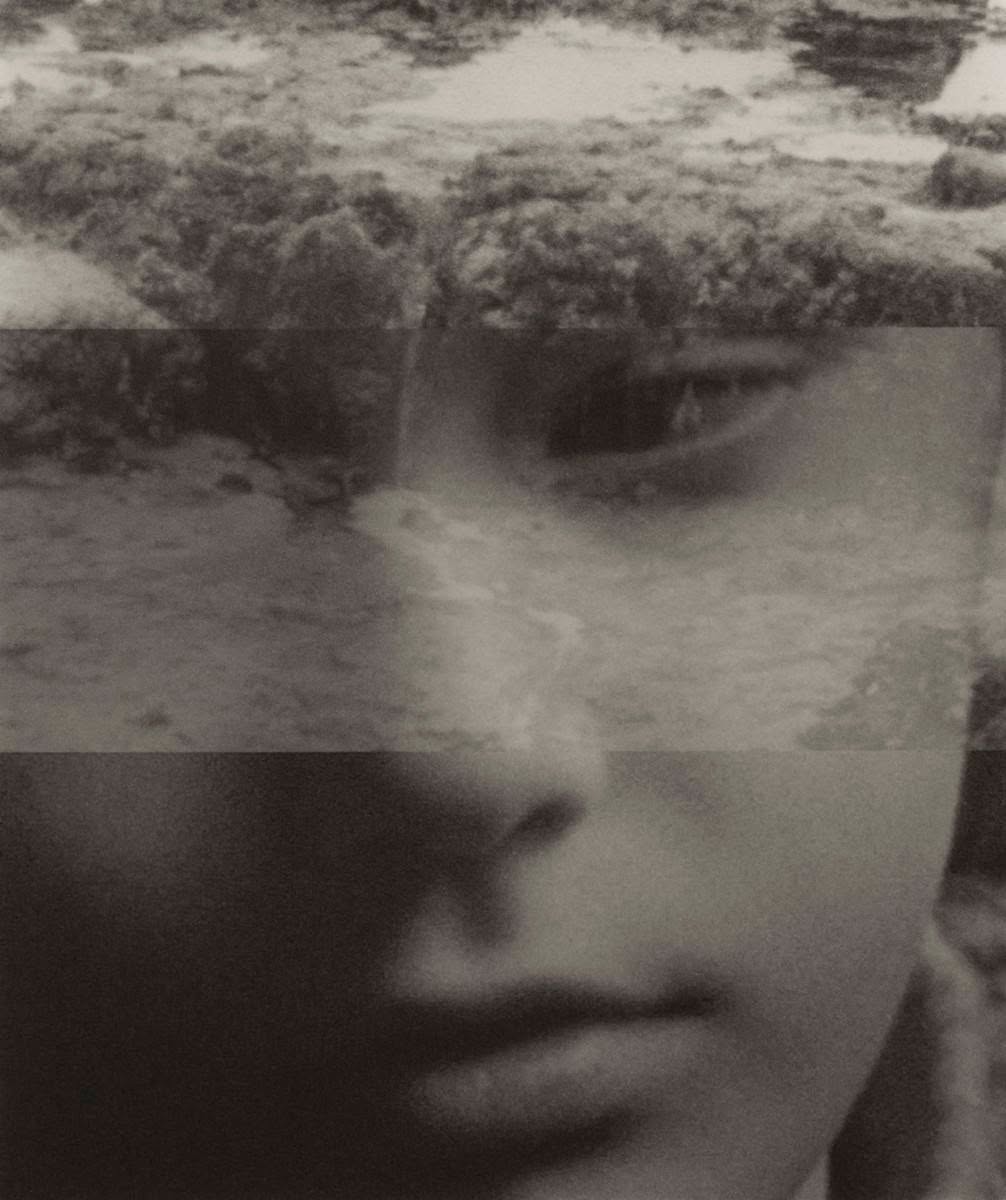
อีกชุดงานที่ภาพมีความเป็นสไตล์ Pictorial สูงมาก คืองาน Children of the golden Sun (ลูกหลานของพระอาทิตย์สีทอง) ของ ซูซานน์ คาร์เมน ยาโกดซินสกา (Susann Carmen Jagodzińska) ศิลปินชาวโปแลนด์ ซึ่งงานนี้ได้เข้ารอบสุดท้าย ซูซานน์สร้างภาพชุดที่บรรยายจินตภาพของเธอให้ออกมาทางศิลปะภาพถ่าย โดยใช้ลูกสาวเป็นตัวแทนของปรากฏการณ์ทางเวลาที่ซ้อนทับของ ยาย-แม่-ลูกสาว คุณยายที่ได้รับความเจ็บปวดทางจิตใจจากการที่เห็นน้องสาวถูกฆ่าตายในสงครามโลกครั้งที่สอง ความเจ็บปวดถูกส่งผ่านมาถึงแม่ของเธอ และซูซานน์ก็ได้รับรู้ถึงห่วงโซ่นี้เมื่อเธอมีลูก ตัวงานมีการใช้ภาพของลูกสาว ซ้อนทับ ผสมผสานกับสิ่งอื่น จนเกิดภาพเหลื่อมประหลาดเหมือนฝัน ราวกับกำลังดูภาพถ่ายโบราณสไตล์ Pictorial หากซูซานน์กำลังนำเสนองาน “Pictorial-like” นี้ให้เลยไปไกลกว่าภาพประดิดประดอยที่อยู่ตรงหน้า
“อดีต ปัจจุบัน อนาคต ผสานและดำรงอยู่ร่วมกันในร่างกายเดียว
คุณยาย แม่ และลูกสาว ล้วนจุติอยู่ในร่างกายเดียวกัน
ความเจ็บปวดส่วนบุคคล บรรพบุรุษ และส่วนรวม แสดงออกผ่านร่างกายของเธอ” (ศิลปิน)
งานภาพถ่าย Pictorial ของพวกเขาได้เลื่อนล้ำออกไปจากหัวข้อ (Subject) อันดาษดื่นซ้ำซาก ที่มักตอบแทนรางวัลชัันยศแก่ผู้ที่ชื่นชอบการสร้างสรรค์สิ่งเหล่านั้น งานแขนงนี้ไม่ได้กำหนดกรอบว่าต้องแช่แข็งอดีตอันสงบสุขรุ่งเรืองเท่านั้น มันหมุนไปตามโลกได้ สนใจสิ่งรอบตัวและการเปลี่ยนแปลงได้ มันไม่ได้ทำให้ความสุนทรีของการถ่ายภาพแขนงนี้ถูกด้อยค่า หรือเสื่อมทรามความศักดิ์สิทธิ์ลงแต่อย่างใด กลับส่งเสริมให้เกิดสภาวะสดใหม่ เปิดกว้าง ลบข้อครหาต่าง ๆ และคืนความรุ่งโรจน์ (Greatness) ให้กลับไปยังศิลปะถ่ายภาพแขนงนี้อีกครั้ง
Pictorial เป็นรูปแบบงานที่มักเน้นอารมณ์ของภาพ, เทคนิคการตกแต่งภาพ (Post-processing) อย่างพิถีพิถัน, การบิดเบือนความจริงให้งดงามชวนฝัน, มีแนวโน้มที่จะตัดตอนบริบทในเชิงลึกของเนื้อหาออกไป แสดงให้เห็นถึงความงามที่มาจากการตกแต่งภาพขนานใหญ่ในห้องมืด (รวมถึงโฟโต้ช็อป) และการเน้นหนักเรื่องระเบียบพิธีของกระบวนการทางภาพถ่ายทั้งก่อน และหลังอย่างมาก
การตัดตอนบริบทเหล่านั้น เป็นวิธีการเลือกและขับเน้น “ความงาม-ความจริง” ที่ไม่ได้มาจากความคมของเลนส์ หรือความจริงจากสิ่งที่เป็นอยู่ เหมือนที่ ‘สมัยใหม่นิยม’ ทำ หากเป็นความจริงที่มาจาก จิตใจ ความคิด และอารมณ์เบื้องลึกของศิลปิน ในขณะเดียวกัน ก็อาจพาลให้นึกถึงการไม่ยินดียินร้ายต่อสิ่งที่เปลี่ยนแปลง และเกิดขึ้นในสังคมรอบตัว (หรือแม้สิ่งที่กำลังถ่ายอยู่ก็ตาม) ดูแล้วเหมือนอยากจะ “แช่แข็ง” อะไรต่อมิอะไรให้คงอยู่เพื่องานภาพถ่ายที่ตัวเองรักตลอดไป
การแช่แข็งชนิดนี้ก็ดูเหมือนจะเป็นส่วนผสมสำคัญของความต้องการที่จะ “อนุรักษ์” ในทุกสิ่ง ไม่ว่าจะสังคม วัฒนธรรม ชีวิตผู้คน จนเกิดการสร้างกฎระเบียบประเพณีของกลุ่มก้อน การให้ยศให้ตำแหน่ง ซึ่งเหล่าคนที่ถึงพร้อมในหลาย ๆ ด้านมักจะเข้าอกเข้าใจในเรื่องทำนองนี้เป็นอย่างดี และศิลปะภาพถ่ายแขนงนี้ก็ได้รับความนิยมมาอย่างต่อเนื่อง (โดยเฉพาะคนกลุ่มที่ถึงพร้อม) แม้ว่าต้นธารจะเหือดแห้งไปแล้วตั้งแต่ต้นศตวรรษที่ 20 จากคลื่นของ “สมัยใหม่นิยม” เข้ามาแทนที่ และความหฤโหดของสงครามโลกครั้งที่ 1 ที่ทำให้เหล่าคนหลังสงครามไม่ได้ให้ความนิยม “ความงาม-ความสุข” ของภาพสไตล์นี้เหมือนดังแต่ก่อน
งานใน Open-Ended อาจไม่ได้ “อนุรักษ์” ขนาดนั้น แต่ศิลปินหยิบยืมเอากลิ่นอายด้านภาพ และเทคนิคมาดำเนินเรื่องราวในเชิงลึกของธรรมชาติ มนุษย์ และความเป็นนามธรรม อย่างงานของ You can't enter the same river twice (คุณไม่สามารถลงไปในแม่น้ำสายเดิมได้สองครั้ง) ของ ฟรานซิสโก กอนซาเลซ คามาโช (Francisco Gonzalez Camacho) ที่ถ่ายภาพธรรมชาติของความไม่เที่ยงแท้ โดยยกตัวอย่าง รูปทรงที่บิดงอ แตกหัก ของธรรมชาติที่ถูกเซาะกร่อนโดยพลังของสายน้ำ ช่วงการเปลี่ยนผ่านของสรรพสิ่งที่ไม่เคยมีพยานรู้เห็น แต่ศิลปินได้ก้าวเข้าไปเป็นประจักษ์พยานของปรากฏการณ์เหล่านั้น
Blank Verse (กลอนเปล่า) ของ มาเรีย ซอร์บา (Maria Siorba) ที่ภาพมีความเป็น Pictorial บ้างพอสมควร มีทั้งภาพขาวดำและสี การเซ็ทฉากถ่ายภาพ บรรยากาศของอารมณ์แผ่กระจายไปทั้งชุดภาพ งานเล่าถึงการเข้าไปสังเกตความสัมพันธ์ของมนุษย์ที่แสนจะคลุมเครือ มาเรียตั้งคำถามที่สำคัญว่า
"เราจะเข้าใจคนอื่นได้อย่างไร ในเมื่อประสบการณ์ของพวกเขาเป็นสิ่งที่ไม่อาจเข้าถึงได้อย่างสมบูรณ์"
Among the Interstices (ท่ามกลางช่องว่าง) โดย ซินซั่ว จั๋ว (Xinshuo Zhuo) ที่ใช้ความงามทางภาพถ่ายแบบดั้งเดิมมาเป็นตัวแทนของอารมณ์ ความทรงจำ และบาดแผลในอดีตของศิลปิน ผ่านทางความไม่ต่อเนื่องทางวัตถุและสถานที่ จนเกิดช่องว่างดำขาว ที่ทำงานอย่างต่อเนื่องกับสมองของเรา เหมือนถูกกระตุ้นด้วยกลิ่นหอม หรือเสียงบางอย่างที่คุ้นเคยในอดีต ฉุดลากผู้ชมให้หลงลึกเข้าไปในหลุมโพรงอันว่างเปล่าพวกนั้น
อีกชุดงานที่ภาพมีความเป็นสไตล์ Pictorial สูงมาก คืองาน Children of the golden Sun (ลูกหลานของพระอาทิตย์สีทอง) ของ ซูซานน์ คาร์เมน ยาโกดซินสกา (Susann Carmen Jagodzińska) ศิลปินชาวโปแลนด์ ซึ่งงานนี้ได้เข้ารอบสุดท้าย ซูซานน์สร้างภาพชุดที่บรรยายจินตภาพของเธอให้ออกมาทางศิลปะภาพถ่าย โดยใช้ลูกสาวเป็นตัวแทนของปรากฏการณ์ทางเวลาที่ซ้อนทับของ ยาย-แม่-ลูกสาว คุณยายที่ได้รับความเจ็บปวดทางจิตใจจากการที่เห็นน้องสาวถูกฆ่าตายในสงครามโลกครั้งที่สอง ความเจ็บปวดถูกส่งผ่านมาถึงแม่ของเธอ และซูซานน์ก็ได้รับรู้ถึงห่วงโซ่นี้เมื่อเธอมีลูก ตัวงานมีการใช้ภาพของลูกสาว ซ้อนทับ ผสมผสานกับสิ่งอื่น จนเกิดภาพเหลื่อมประหลาดเหมือนฝัน ราวกับกำลังดูภาพถ่ายโบราณสไตล์ Pictorial หากซูซานน์กำลังนำเสนองาน “Pictorial-like” นี้ให้เลยไปไกลกว่าภาพประดิดประดอยที่อยู่ตรงหน้า
“อดีต ปัจจุบัน อนาคต ผสานและดำรงอยู่ร่วมกันในร่างกายเดียว
คุณยาย แม่ และลูกสาว ล้วนจุติอยู่ในร่างกายเดียวกัน
ความเจ็บปวดส่วนบุคคล บรรพบุรุษ และส่วนรวม แสดงออกผ่านร่างกายของเธอ” (ศิลปิน)
งานภาพถ่าย Pictorial ของพวกเขาได้เลื่อนล้ำออกไปจากหัวข้อ (Subject) อันดาษดื่นซ้ำซาก ที่มักตอบแทนรางวัลชัันยศแก่ผู้ที่ชื่นชอบการสร้างสรรค์สิ่งเหล่านั้น งานแขนงนี้ไม่ได้กำหนดกรอบว่าต้องแช่แข็งอดีตอันสงบสุขรุ่งเรืองเท่านั้น มันหมุนไปตามโลกได้ สนใจสิ่งรอบตัวและการเปลี่ยนแปลงได้ มันไม่ได้ทำให้ความสุนทรีของการถ่ายภาพแขนงนี้ถูกด้อยค่า หรือเสื่อมทรามความศักดิ์สิทธิ์ลงแต่อย่างใด กลับส่งเสริมให้เกิดสภาวะสดใหม่ เปิดกว้าง ลบข้อครหาต่าง ๆ และคืนความรุ่งโรจน์ (Greatness) ให้กลับไปยังศิลปะถ่ายภาพแขนงนี้อีกครั้ง
You can't enter the same river twice, Francisco Gonzalez Camacho
Blank Verse, Maria Siorba
Among the Interstices, Xinshuo Zhuo
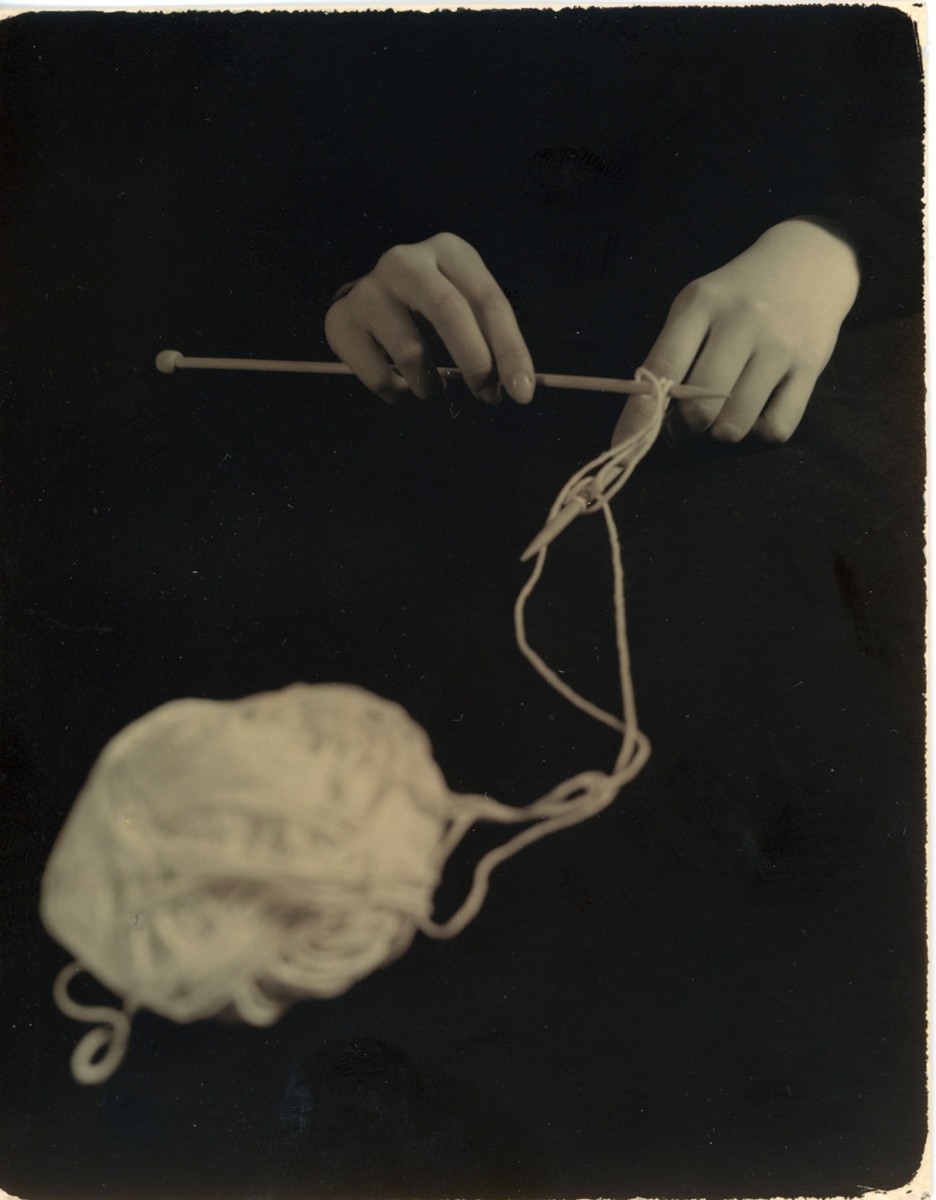
Children of the golden Sun, Susann Carmen Jagodzińska
During the selection of photographic works for the Open-Ended theme this time, I noticed several submissions featuring the Pictorial style. A few of these pieces were chosen for publication in the magazine, and some also made it as finalists, which makes me wonder if I am starting to develop a genuine appreciation for this genre.
Pictorial photography is a style that often focuses on the mood of the image and careful post-processing techniques to distort reality into something beautiful and dreamlike. It tends to remove the deeper context of the subject matter, showing instead a beauty derived from extensive darkroom editing and modern tools like Photoshop. This approach places heavy emphasis on the formal procedures of the photographic process both before and after capturing the image.
Removing these contexts is a way to select and highlight a sense of beauty and truth that does not come from the sharpness of a lens or the reality of the physical world, which is what modernism usually aims to do. Instead, it is a truth that comes from the artist's mind, thoughts, and deep emotions. At the same time, this can suggest a sense of indifference towards the changes happening in the surrounding society or even towards the subjects being photographed. It appears as though there is a desire to freeze everything in place so it can remain forever in the beloved photograph.
This type of freezing seems to be a key ingredient in the desire to conserve everything around us, whether it is society, culture, or people's lives. This leads to the creation of group traditions, rules, and the awarding of titles, which people with high social readiness often understand very well. This branch of photographic art has remained popular continuously among these privileged groups, even though its original roots dried up in the early 20th century. This decline was caused by the incoming wave of modernism and the harsh reality of World War I, which made people in the postwar era less interested in the beauty and happiness presented by this style of photography.
The works in the Open-Ended theme may not be highly conservative in that sense, but the artists borrow visual elements and techniques to explore deeper narratives about nature, humanity, and abstraction. For example, the project You Can't Enter the Same River Twice by Francisco Gonzalez Camacho captures the nature of impermanence. He shows the twisted and broken forms of nature eroded by the power of water, representing the transition of things that usually have no witnesses, yet the artist steps in to observe these phenomena.
Blank Verse by Maria Siorba is another work that has a noticeable Pictorial quality. It features both black and white and color images, along with staged scenes that spread a distinct emotional atmosphere throughout the entire series. The project explores the observation of highly ambiguous human relationships, and Maria asks an important question:
"How can we understand others when their experiences are completely inaccessible?"
In Among the Interstices, Xinshuo Zhuo uses classic photographic aesthetics to represent the artist's emotions, memories, and past wounds. This is expressed through the discontinuity of objects and places, creating black or white gaps that continuously interact with our minds. Just like being triggered by a familiar scent or sound from the past, it pulls us deep into those empty hollows.
Another project with a very strong Pictorial style is Children of the Golden Sun by Susann Carmen Jagodzińska, a Polish artist whose work became a finalist. Susann created a series of images that express her imagination through photographic art, using her daughter to represent the overlapping timeline of a grandmother, a mother, and a daughter. Her grandmother suffered emotional trauma from seeing her sister killed in World War II, and this pain was passed down to her mother. Susann became aware of this chain when she had her own child. The artwork overlaps and blends images of her daughter with other elements, creating strange and dreamlike layered pictures that look like antique Pictorial photographs. However, Susann takes this Pictorial-like work far beyond the enchanting images presented in front of us.
"Past, present, and future merge and coexist in one body.
The grandmother, mother, and daughter are all incarnated in the same body.
Personal, ancestral, and collective pain are expressed through her body."
Their Pictorial photography has moved beyond the common and repetitive subjects that often bring awards and titles to those who enjoy creating them. This branch of art does not have to restrict itself to freezing a peaceful and glorious past, as it can revolve with the world and pay attention to its surroundings and changes. This contemporary approach does not devalue the aesthetics of this photography branch or degrade its sacredness. Instead, it promotes a fresh and open state, clears away criticisms, and returns greatness to this field of photographic art once again.
Pictorial photography is a style that often focuses on the mood of the image and careful post-processing techniques to distort reality into something beautiful and dreamlike. It tends to remove the deeper context of the subject matter, showing instead a beauty derived from extensive darkroom editing and modern tools like Photoshop. This approach places heavy emphasis on the formal procedures of the photographic process both before and after capturing the image.
Removing these contexts is a way to select and highlight a sense of beauty and truth that does not come from the sharpness of a lens or the reality of the physical world, which is what modernism usually aims to do. Instead, it is a truth that comes from the artist's mind, thoughts, and deep emotions. At the same time, this can suggest a sense of indifference towards the changes happening in the surrounding society or even towards the subjects being photographed. It appears as though there is a desire to freeze everything in place so it can remain forever in the beloved photograph.
This type of freezing seems to be a key ingredient in the desire to conserve everything around us, whether it is society, culture, or people's lives. This leads to the creation of group traditions, rules, and the awarding of titles, which people with high social readiness often understand very well. This branch of photographic art has remained popular continuously among these privileged groups, even though its original roots dried up in the early 20th century. This decline was caused by the incoming wave of modernism and the harsh reality of World War I, which made people in the postwar era less interested in the beauty and happiness presented by this style of photography.
The works in the Open-Ended theme may not be highly conservative in that sense, but the artists borrow visual elements and techniques to explore deeper narratives about nature, humanity, and abstraction. For example, the project You Can't Enter the Same River Twice by Francisco Gonzalez Camacho captures the nature of impermanence. He shows the twisted and broken forms of nature eroded by the power of water, representing the transition of things that usually have no witnesses, yet the artist steps in to observe these phenomena.
Blank Verse by Maria Siorba is another work that has a noticeable Pictorial quality. It features both black and white and color images, along with staged scenes that spread a distinct emotional atmosphere throughout the entire series. The project explores the observation of highly ambiguous human relationships, and Maria asks an important question:
"How can we understand others when their experiences are completely inaccessible?"
In Among the Interstices, Xinshuo Zhuo uses classic photographic aesthetics to represent the artist's emotions, memories, and past wounds. This is expressed through the discontinuity of objects and places, creating black or white gaps that continuously interact with our minds. Just like being triggered by a familiar scent or sound from the past, it pulls us deep into those empty hollows.
Another project with a very strong Pictorial style is Children of the Golden Sun by Susann Carmen Jagodzińska, a Polish artist whose work became a finalist. Susann created a series of images that express her imagination through photographic art, using her daughter to represent the overlapping timeline of a grandmother, a mother, and a daughter. Her grandmother suffered emotional trauma from seeing her sister killed in World War II, and this pain was passed down to her mother. Susann became aware of this chain when she had her own child. The artwork overlaps and blends images of her daughter with other elements, creating strange and dreamlike layered pictures that look like antique Pictorial photographs. However, Susann takes this Pictorial-like work far beyond the enchanting images presented in front of us.
"Past, present, and future merge and coexist in one body.
The grandmother, mother, and daughter are all incarnated in the same body.
Personal, ancestral, and collective pain are expressed through her body."
Their Pictorial photography has moved beyond the common and repetitive subjects that often bring awards and titles to those who enjoy creating them. This branch of art does not have to restrict itself to freezing a peaceful and glorious past, as it can revolve with the world and pay attention to its surroundings and changes. This contemporary approach does not devalue the aesthetics of this photography branch or degrade its sacredness. Instead, it promotes a fresh and open state, clears away criticisms, and returns greatness to this field of photographic art once again.
© CTypeMag 2016 - 2026

