

Human Materials
June 1, 2026
ไซมอน มาร์ค เป็นช่างภาพ และนักวิจัยชาวนิวซีแลนด์ งานชื่อ Human Materials ของเขากำลังจะจัดแสดงที่ คัดมันดู โฟโต้ แกลลอรี่ วันที่ 6 มิถุนายนที่จะถึงนี้ ไซมอนเขียนแนะนำตัวในประวัติส่วนตัวว่า "งานของเขาเกี่ยวข้องกับสิ่งที่มนุษย์สร้างขึ้น และสำรวจความเป็นไปได้ทางสุนทรียศาสตร์ที่แฝงอยู่ในเหตุการณ์ที่เกิดขึ้นโดยบังเอิญ" ทำให้ผมนึกถึงงานแนว new topographics ที่เกิดขึ้นในยุค 70 นำเสนอภาพถ่ายของการดัดแปลงภูมิทัศน์โดยมนุษย์ หากแต่วรรคที่สองเป็นเรื่องของการเฝ้าจับตาความบังเอิญ ที่มักเกิดขึ้นกับงานสตรีทเป็นส่วนใหญ่ และดูจะขัดกับ new topographics อยู่บ้าง ที่เป็นเรื่องของความจงใจทั้งด้านของสิ่งที่ปรากฏในภาพ (มนุษย์สร้างสิ่งเหล่านั้นโดยการดัดแปลงธรรมชาติ) การจัดระเบียบภาพแบบเลขาคณิต และการจงใจปฏิเสธความงามโรแมนติกแบบดั้งเดิม (ภาพธรรมชาติสไตล์แอนเซล อดัมส์)
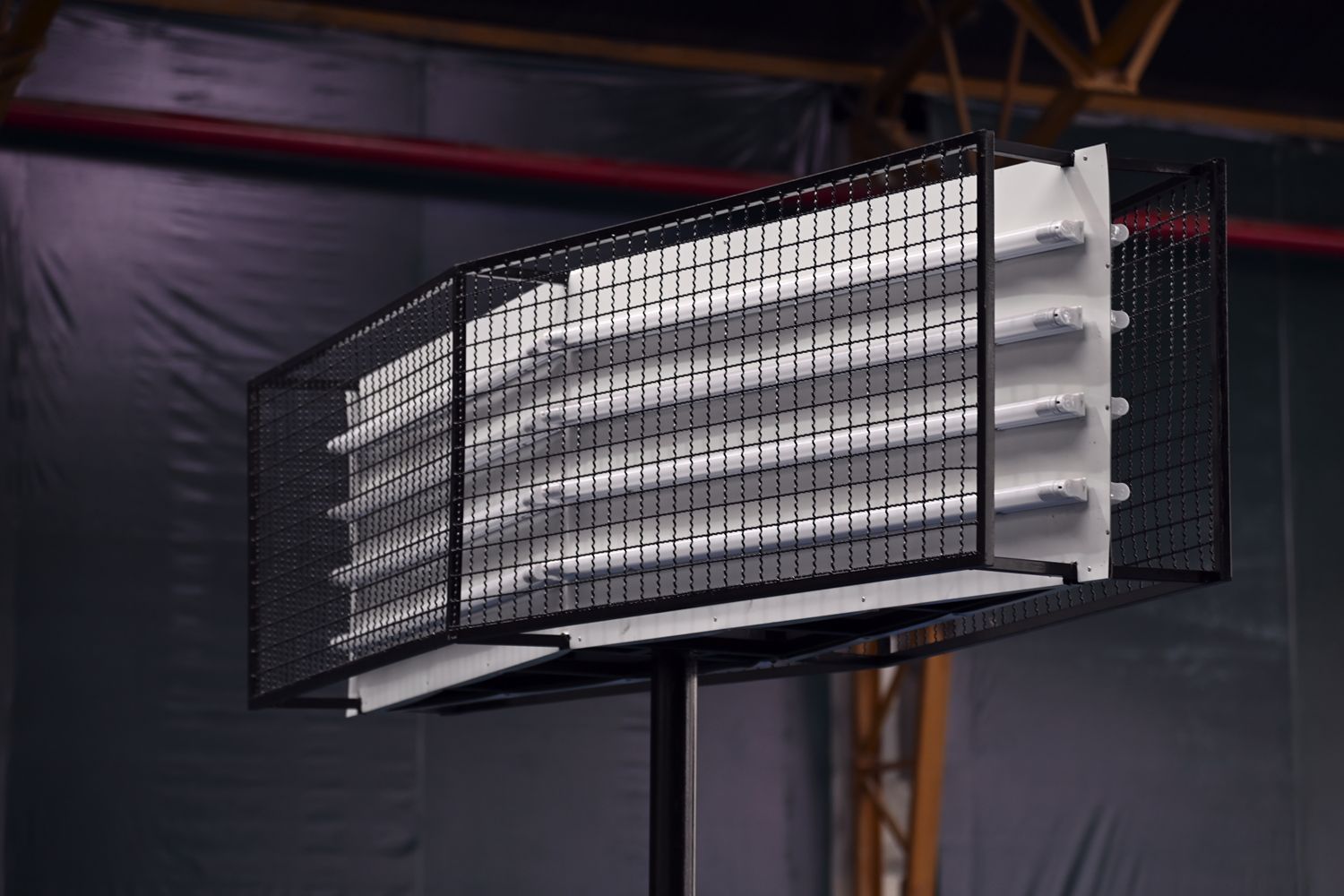
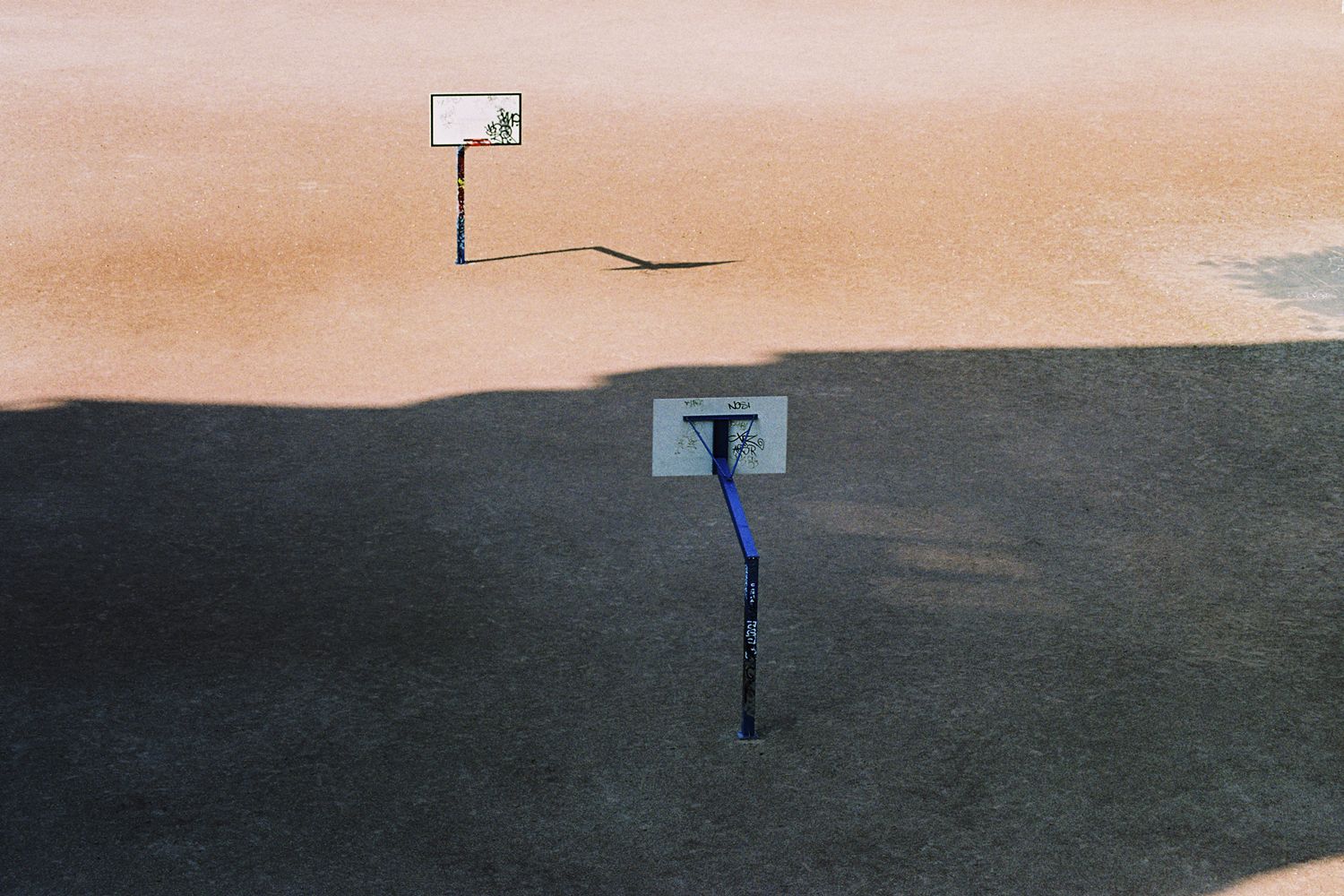
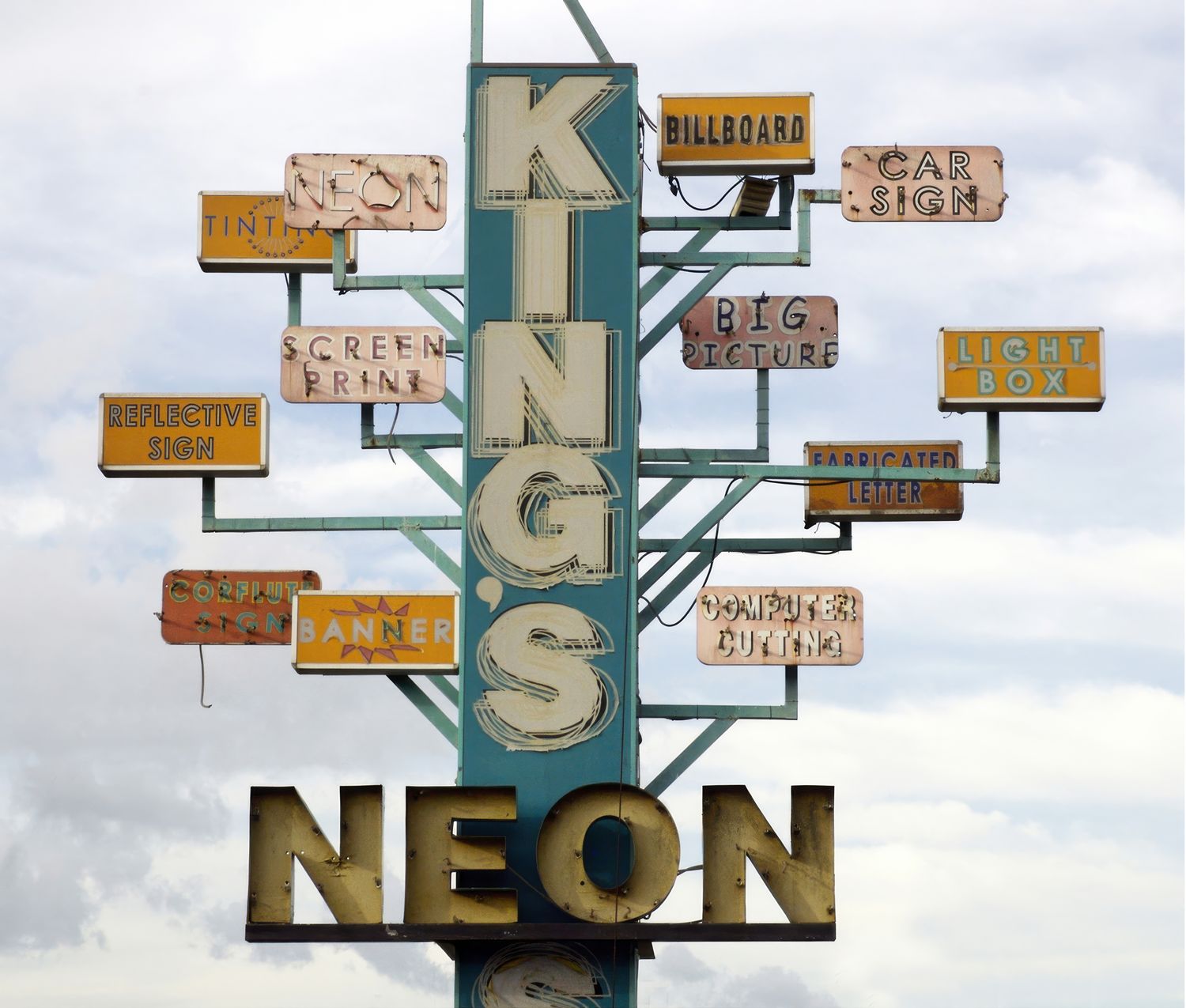
หากหลังจากได้ดูภาพถ่ายส่วนใหญ่แล้ว ดูเหมือนไซมอนกำลังใช้ภาพถ่ายมาอธิบายทั้งสองเรื่องพร้อมกันด้วยกรรมวิธีของเขาเอง เขาแสดงสิ่งที่มนุษย์สร้างขึ้น ทั้งความงาม-ความเสื่อม เป็นสายตาที่มองอย่างเป็นกลางไม่ต่างจาก new topographics แต่ภาพไม่ได้ฉายกว้างอย่างเดียวกันกับ Robert Adams หรือวัตถุขนาดใหญ่อย่าง Bernd and Hilla Becher กลับเจาะลงไปเป็นส่วน ๆ ที่ดูใกล้เคียงภาพแนวสตรีทที่ถ่ายทอดเรื่องของวัตถุในที่สาธารณะ แต่ก็แบนและเรียบเฉยเกินกว่าจะเป็นภาพสตรีทตามสมัยนิยม ซึ่งดูคล้ายงานของ ไมเคิล วูลฟ์ ในบางชุด (Michael Wolf ช่างภาพผู้ล่วงลับ เจ้าของงาน Tokyo Compression ที่โด่งดัง) เมื่อถูกนำเสนอร่วมกันจึงอาจมองได้ว่า ไซมอนกำลังจดบันทึก (document) สิ่งของต่าง ๆ เพื่อเป็นภาพแทนของระบบหรือแพลตฟอร์มที่ใหญ่โตกว่าตัวพวกมันและดูเป็นนามธรรม มากกว่าจะจับต้องประเด็นใดประเด็นหนึ่งในสังคม
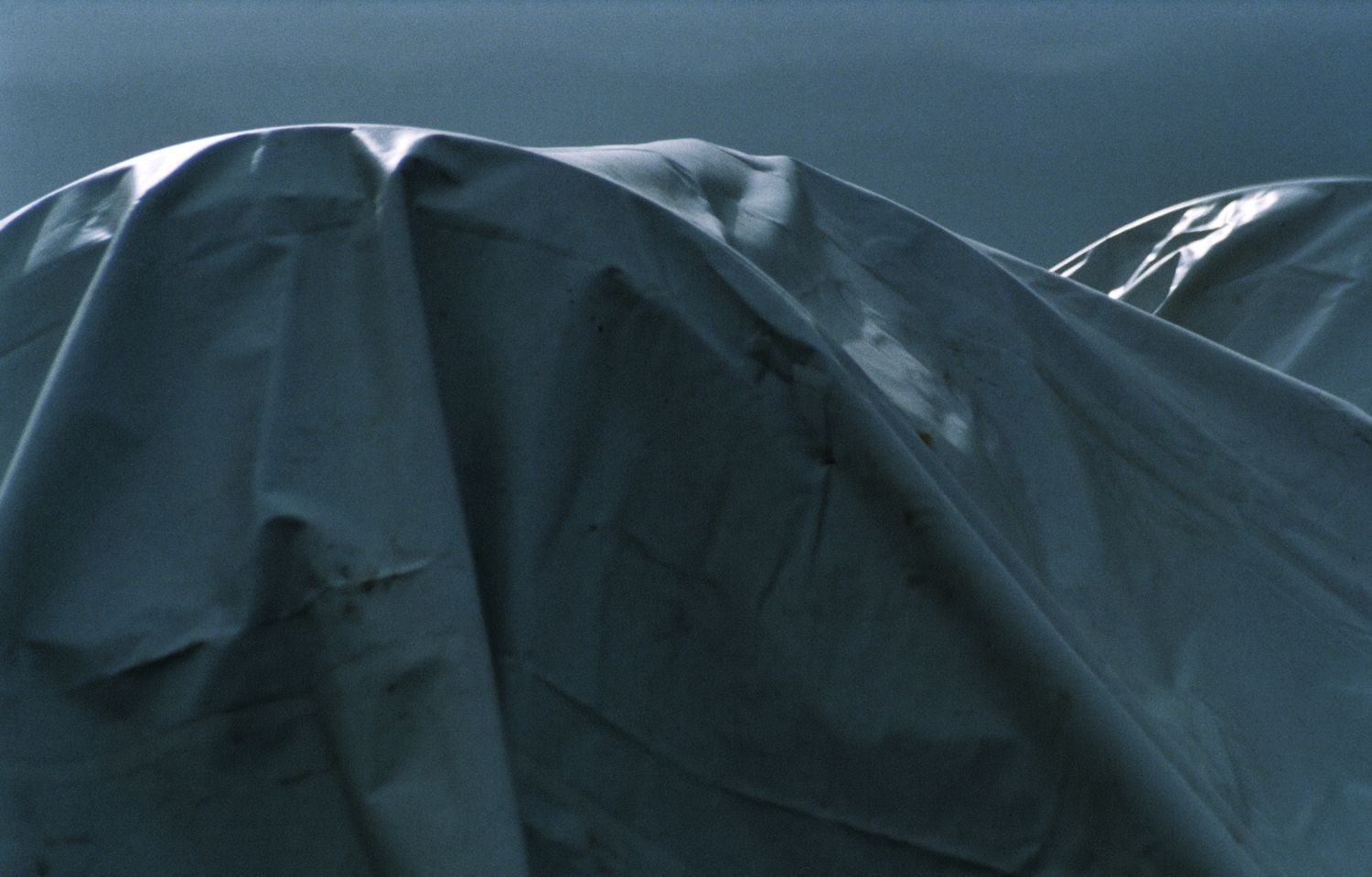
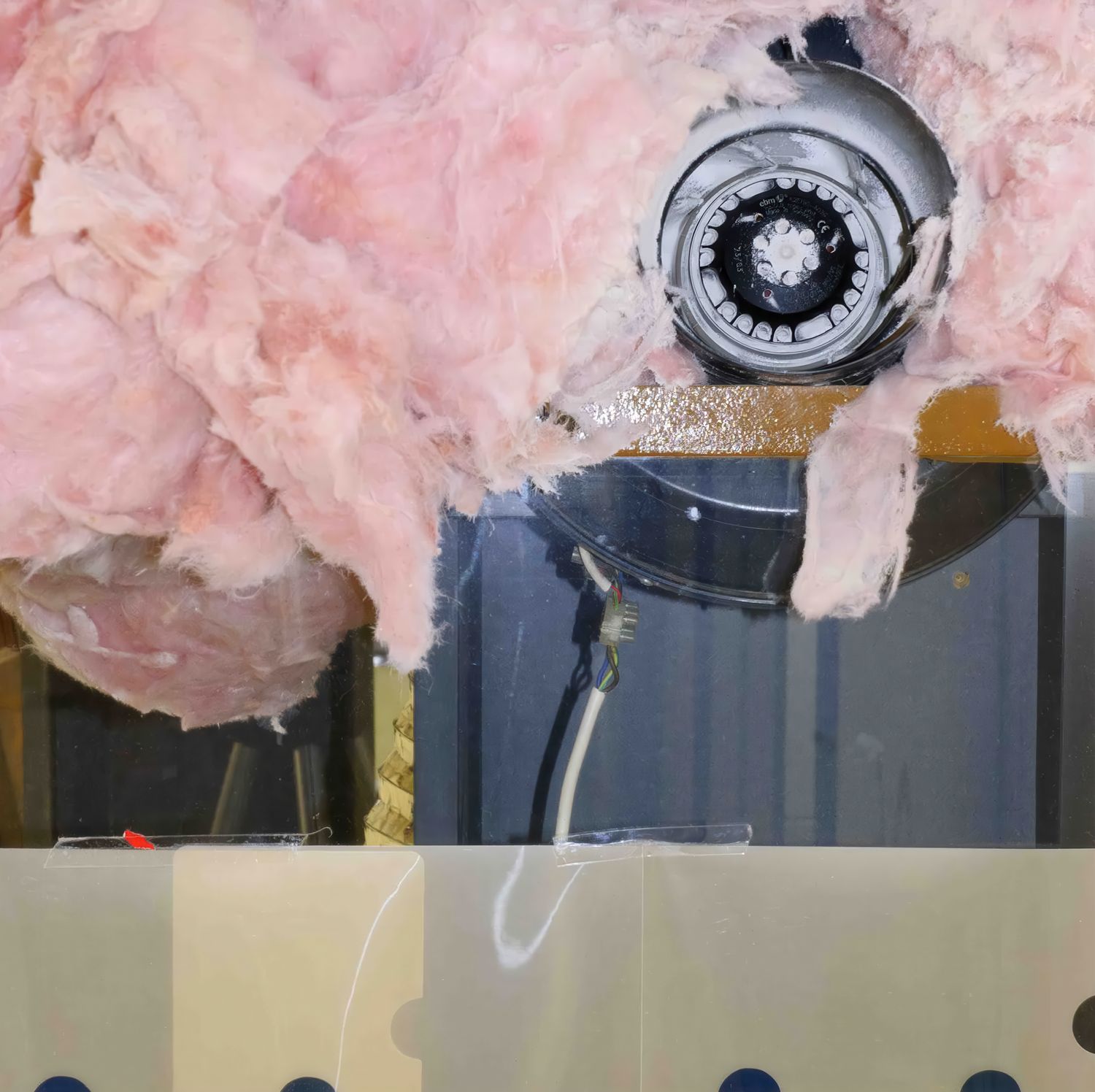
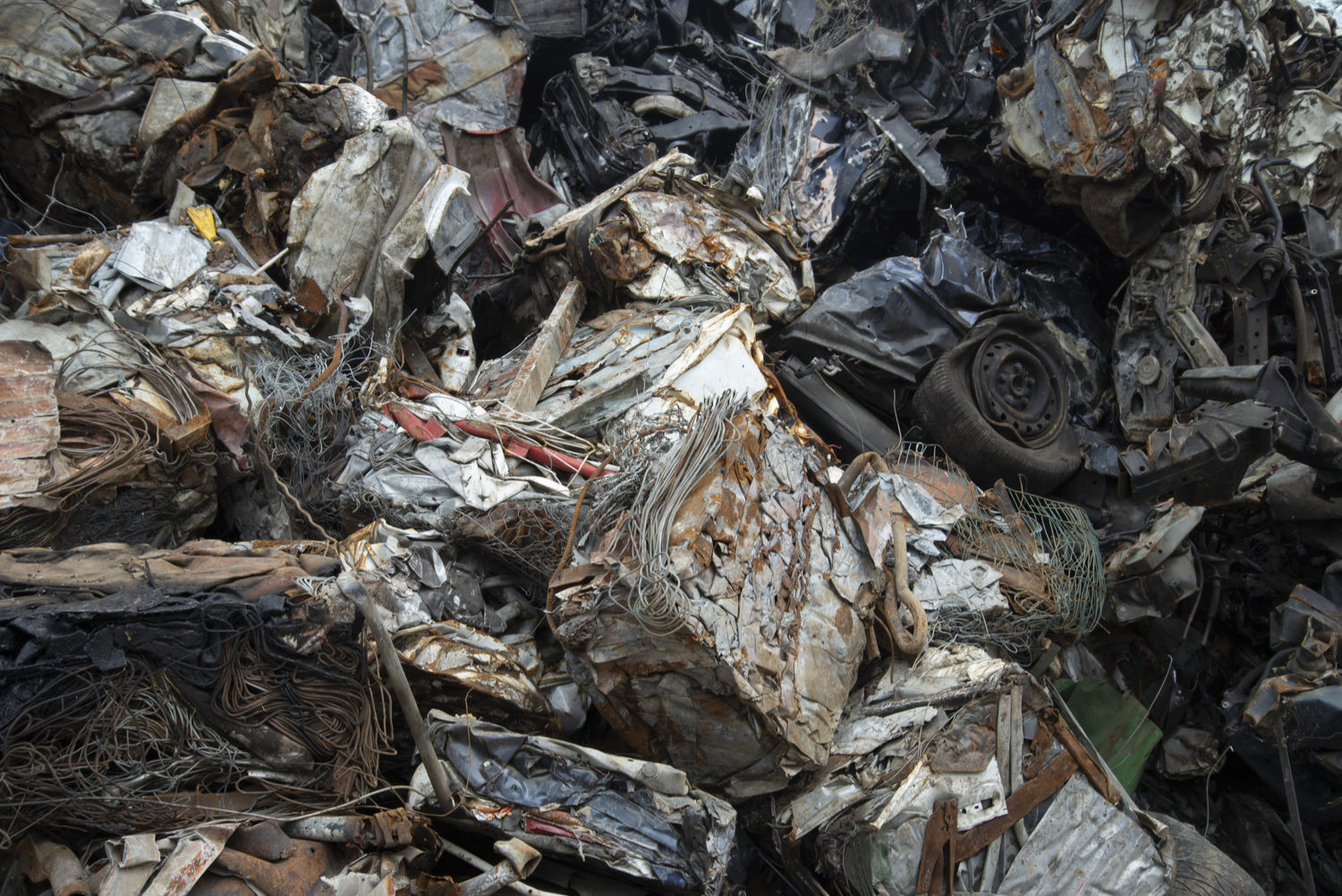
เหล่านี้คือเรื่องของมนุษย์ สิ่งที่พวกเราสร้าง พวกเราทำ และพวกเราทิ้งไว้ ไม่ต่างกันกับการใช้ร่างกายของพวกเรา ด้านนอกของมนุษย์ดูเป็นระเบียบเรียบร้อย สวยงาม เช่นภาพ โครงสร้างคอนกรีต หรือ การพริ้วไหวของตาข่ายในสนามกอล์ฟ หากเมื่อพลิกผิวด้านในออกมา เราเห็นอีกโลกหนึ่งที่ต่างออกไป มันคือกลไกที่ขับเคลื่อนโลกภายนอก เป็นมิติของการผลิต และสิ่งที่หลงเหลือจากการผลิตนั้น เช่นภาพของกลไกบางอย่าง สายไฟวงจร และขยะอุตสาหกรรม พวกมันสนับสนุนและเคลื่อนไหวไปพร้อมกับความพัฒนาของผิวนอกที่ไม่สามารถตัดขาดจากกันได้ ภาพถ่ายของพวกมันสะท้อนความเป็นไปของมนุษย์และโลกได้อย่างเป็นกลาง เฉยเมย และเย็นชา มนุษย์ตัวเล็ก ๆ อาจทำได้เพียงเฝ้ามองความเป็นไปของพวกมันจนถึงวันที่ระบบร่างกายพังพินาศลง หรืออาจจะลุกขึ้นมาทำอะไรบางอย่างเพื่อเปลี่ยนแปลง—ผลลัพธ์ใด ๆ ก่อเกิดจากการตัดสินใจของพวกเราทั้งสิ้น
หากหลังจากได้ดูภาพถ่ายส่วนใหญ่แล้ว ดูเหมือนไซมอนกำลังใช้ภาพถ่ายมาอธิบายทั้งสองเรื่องพร้อมกันด้วยกรรมวิธีของเขาเอง เขาแสดงสิ่งที่มนุษย์สร้างขึ้น ทั้งความงาม-ความเสื่อม เป็นสายตาที่มองอย่างเป็นกลางไม่ต่างจาก new topographics แต่ภาพไม่ได้ฉายกว้างอย่างเดียวกันกับ Robert Adams หรือวัตถุขนาดใหญ่อย่าง Bernd and Hilla Becher กลับเจาะลงไปเป็นส่วน ๆ ที่ดูใกล้เคียงภาพแนวสตรีทที่ถ่ายทอดเรื่องของวัตถุในที่สาธารณะ แต่ก็แบนและเรียบเฉยเกินกว่าจะเป็นภาพสตรีทตามสมัยนิยม ซึ่งดูคล้ายงานของ ไมเคิล วูลฟ์ ในบางชุด (Michael Wolf ช่างภาพผู้ล่วงลับ เจ้าของงาน Tokyo Compression ที่โด่งดัง) เมื่อถูกนำเสนอร่วมกันจึงอาจมองได้ว่า ไซมอนกำลังจดบันทึก (document) สิ่งของต่าง ๆ เพื่อเป็นภาพแทนของระบบหรือแพลตฟอร์มที่ใหญ่โตกว่าตัวพวกมันและดูเป็นนามธรรม มากกว่าจะจับต้องประเด็นใดประเด็นหนึ่งในสังคม
เหล่านี้คือเรื่องของมนุษย์ สิ่งที่พวกเราสร้าง พวกเราทำ และพวกเราทิ้งไว้ ไม่ต่างกันกับการใช้ร่างกายของพวกเรา ด้านนอกของมนุษย์ดูเป็นระเบียบเรียบร้อย สวยงาม เช่นภาพ โครงสร้างคอนกรีต หรือ การพริ้วไหวของตาข่ายในสนามกอล์ฟ หากเมื่อพลิกผิวด้านในออกมา เราเห็นอีกโลกหนึ่งที่ต่างออกไป มันคือกลไกที่ขับเคลื่อนโลกภายนอก เป็นมิติของการผลิต และสิ่งที่หลงเหลือจากการผลิตนั้น เช่นภาพของกลไกบางอย่าง สายไฟวงจร และขยะอุตสาหกรรม พวกมันสนับสนุนและเคลื่อนไหวไปพร้อมกับความพัฒนาของผิวนอกที่ไม่สามารถตัดขาดจากกันได้ ภาพถ่ายของพวกมันสะท้อนความเป็นไปของมนุษย์และโลกได้อย่างเป็นกลาง เฉยเมย และเย็นชา มนุษย์ตัวเล็ก ๆ อาจทำได้เพียงเฝ้ามองความเป็นไปของพวกมันจนถึงวันที่ระบบร่างกายพังพินาศลง หรืออาจจะลุกขึ้นมาทำอะไรบางอย่างเพื่อเปลี่ยนแปลง—ผลลัพธ์ใด ๆ ก่อเกิดจากการตัดสินใจของพวกเราทั้งสิ้น
Simon Mark is a photographer and researcher from New Zealand whose upcoming exhibition, "Human Materials," opens at Kathmandu Photo Gallery this June 6th. In his biography, he notes that his work deals with human-made structures and explores the aesthetic possibilities inherent in chance occurrences. This statement instantly reminded me of the New Topographics movement of the 1970s, which focused on landscapes altered by human activity. However, his second point about capturing chance elements aligns more with street photography, creating an interesting contrast with New Topographics. That movement was entirely deliberate, defined by human intention to reshape nature, precise geometric composition, and a conscious rejection of traditional romantic beauty, like the grand nature photography of Ansel Adams.
Yet, after looking through most of the images, I feel that Mark uses his photography to bridge these two ideas through his own distinct approach. He captures human-made structures, embracing both their beauty and decay with an objective gaze reminiscent of New Topographics. However, his work avoids the sweeping landscapes of Robert Adams or the massive industrial structures of Bernd and Hilla Becher. Instead, he zooms in on specific details, which feels closer to street photography focused on public objects, yet his images are too flat and detached to fit into contemporary street styles. They actually share a closer affinity with certain series by the late Michael Wolf, famous for Tokyo Compression. Viewed together, it feels as though Mark is documenting these objects to serve as symbols for larger, more abstract systems, rather than tackling a single social issue.
Ultimately, these photographs are about human existence—what we build, what we do, and what we leave behind—much like how our own bodies function. On the surface, everything appears orderly and beautiful, like his images of concrete structures or the fluid rhythm of a driving range net. But when that surface is peeled back, a completely different world is revealed. It is the hidden machinery driving the exterior, a realm of production and its leftovers, seen in his shots of mechanical parts, wiring, and industrial waste. These elements support and evolve alongside the surface, completely inseparable from it. These images reflect the state of humanity and our world with an objective, detached coolness. As fragile individuals, we might just stand by and watch until the system inevitably breaks down, or we might step up to change its course. Whatever happens next, the outcome rests entirely on our choices.
© CTypeMag 2016 - 2026

