

Chrysalis
October 19, 2025
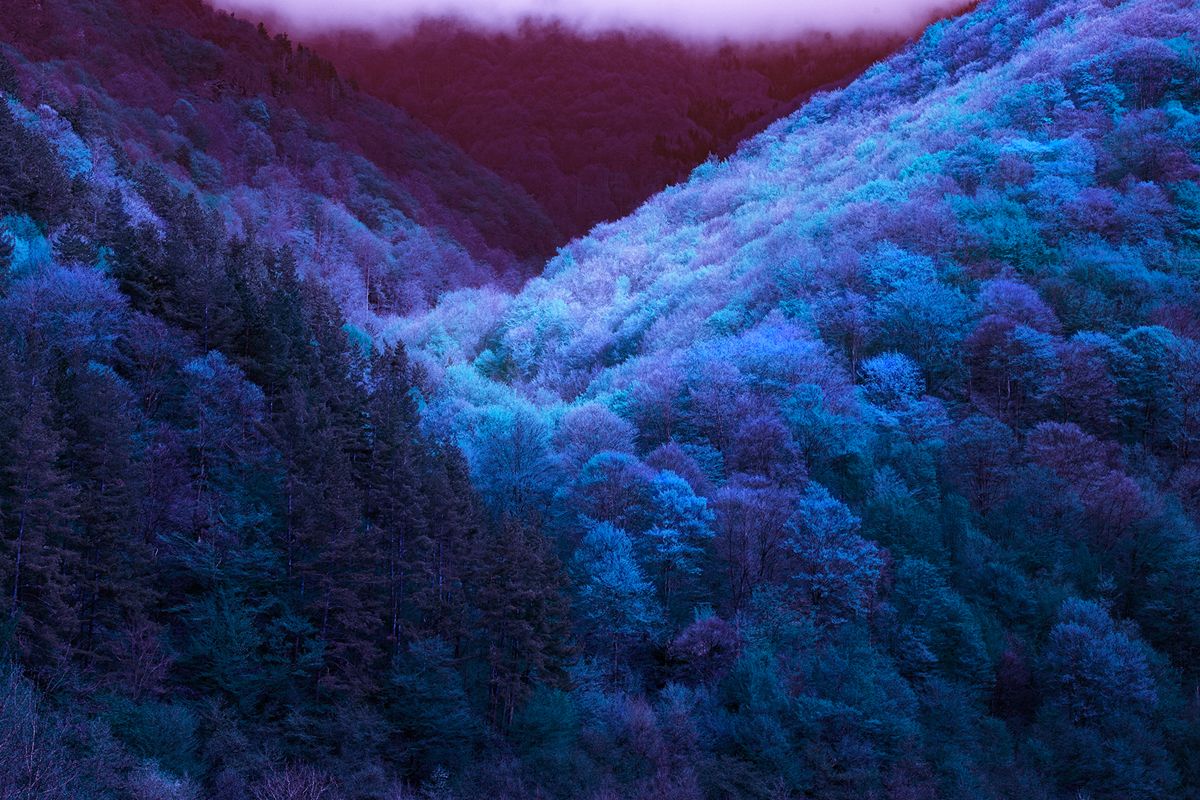
โครงการศิลปะภาพถ่ายหลายงานมักพูดถึงเรื่องที่มนุษย์เกี่ยวพันกับโลก ธรรมชาติ จักรวาล โดยใช้ภาพแทน และสัญลักษณ์เชิงอุปมาอุปไมย งานด้านภาพมักจะใช้เทคนิคผสมผสานหลากหลายผลักดันให้เกิดสภาวะเหนือจริง (Surreal) จากภาพถ่ายปกติที่เห็นกัน แต่งานภาพที่ว่านั้นก็ไม่ได้เป็นสไตล์ภาพเหนือจริงที่เคยเห็นอย่างภาพวาดที่โด่งดังของซัลวาดอร์ ดาลี (Salvador Dalí) The Persistence of Memory (1931) ที่เหมือนหลุดไปในโลกใบใหม่ หากแต่พวกเขาใช้เทคนิคหลากหลายก้าวพ้นจากมิติภาพถ่ายเดิม ๆ โดยที่ภาพที่ออกมาจะมีความใกล้ชิดกับธรรมชาติ มีป่าไม้ สายน้ำ โอบล้อมเหตุการณ์พิศดารอยู่เสมอ งานเอ่ยอ้างถึงความเรียบง่ายของมนุษย์ และธรรมชาติที่ดูจะย้อนแย้งกับเรื่องที่เกิดในชิ้นงานแต่กลับผสานกันได้เป็นอย่างดี หรืออันที่จริงธรรมชาติของโลก และจักรวาลก็เป็นเช่นกันอยู่ก่อนแล้ว?
ก่อนหน้านี้ไม่นานมีโครงการภาพถ่ายที่เคยแสดงบนแพลตฟอร์มของ CTypeMag ดูจะมีโครงสร้างแนวคิดคล้าย ๆ กัน เช่น Metamorphosis ของ เคลาเดีย ฟูกเก็ตติ (Claudia Fuggetti) พูดถึงเรื่องธรรมชาติเช่นกัน แต่ในมุมมองของการปรับตัวของธรรมชาติและมนุษย์ให้เข้ากันได้ใหม่อีกครั้งโดยใช้สีต่าง ๆ เปรียบกับการรับมือของธรรมชาติที่กำลังเคลื่อนไหวอยู่ ณ ใจกลางโลก, The Interval of Unreason (2020) ของ ไอโออันนา ซาเคลลาราคี (Ioanna Sakellaraki) ทำงานเกี่ยวข้องกับจิตวิญญาณและธรรมชาติที่ถ่ายเทพลังงานเข้าหากัน เธอเดินทางไปยังเกาะปัตโมสของกรีก "เกาะแห่งวันสิ้นโลก" สถานที่ที่จุดสิ้นสุดของโลกเริ่มต้นขึ้น ซึ่งเป็นแรงบันดาลใจให้เซนต์จอห์นเขียนหนังสือวิวรณ์ (Book of Revelation) ไอโออันนาสำรวจธรรมชาติ และภูมิประเทศในตอนกลางคืน ถ่ายทอดออกมาเป็นภาพถ่ายและข้อเขียนเชิงกวีที่สวยงาม หรืองานชุด สังสารวัฏ (Samsara) ของศิลปินชาวสิงคโปร์ อัลวิน อึ้ง (Alvin Ng) นำเสนอเรื่องราวของมนุษย์ คำสอนทางศาสนา ธรรมชาติอันคาบเกี่ยวกันอย่างคลุมเครือในยุคที่มนุษย์ต้องพบเจอกับสิ่งไม่คาดฝัน และอันตรายอย่างการระบาดใหญ่ของโควิด-19
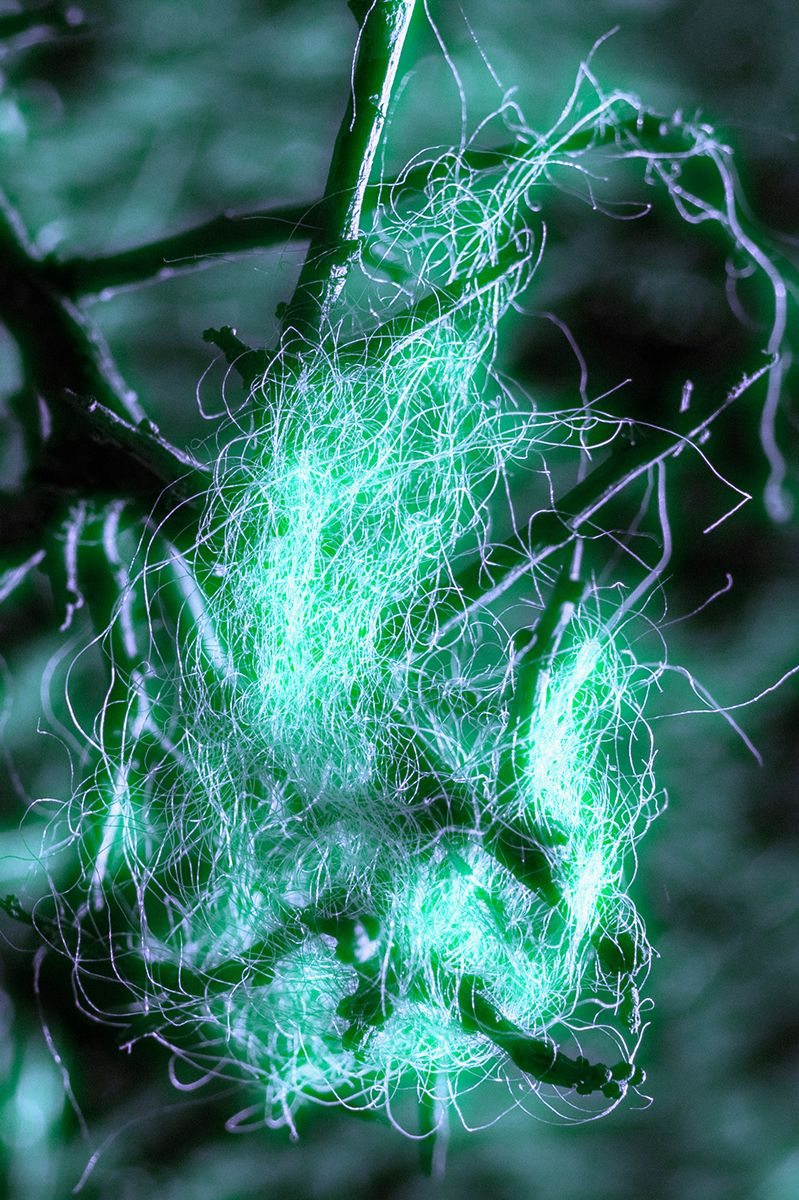
ส่วนงานที่กำลังนำเสนอใหม่ชิ้นนี้ จอร์เจียนา เฟย์ดี (Georgiana Feidi) ศิลปินทัศนศิลป์ชาวโรมาเนีย สร้างโครงการศิลปะภาพถ่ายชื่อ Chrysalis ที่เฟย์ดีใช้เทคนิคทางคอมพิวเตอร์ทำงานกับภาพถ่ายได้ละเอียดละออ ประณีต และงดงาม เธอพูดถึงวัฏจักรที่โลกกำลังหลับใหลพักฟื้นในรังไหมแห่งธรรมชาติ (ดูจะเป็นวงรอบครั้งใหม่จากความพินาศย่อยยับก่อนหน้านี้-ทำให้นึงถึงภาพยนตร์เรื่อง Mother! หรือการรีบูต (Reboot) ใน The Matrix : Revolution)
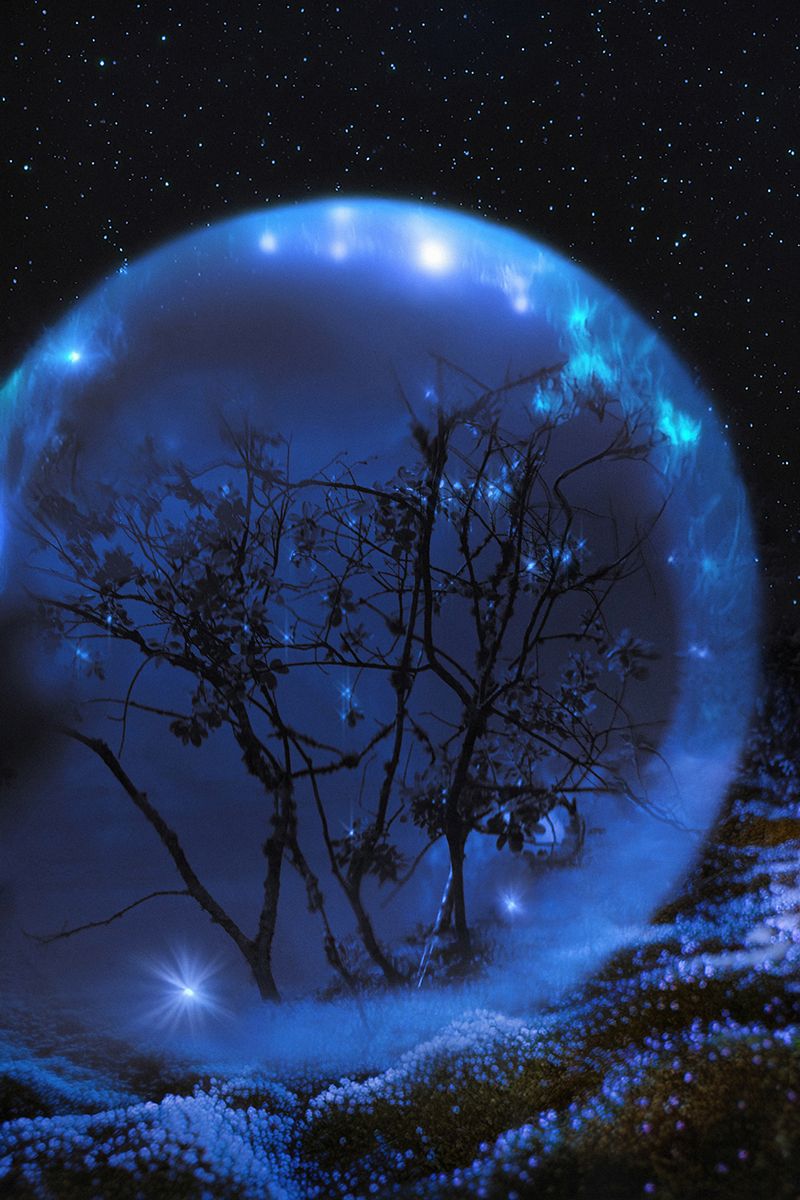
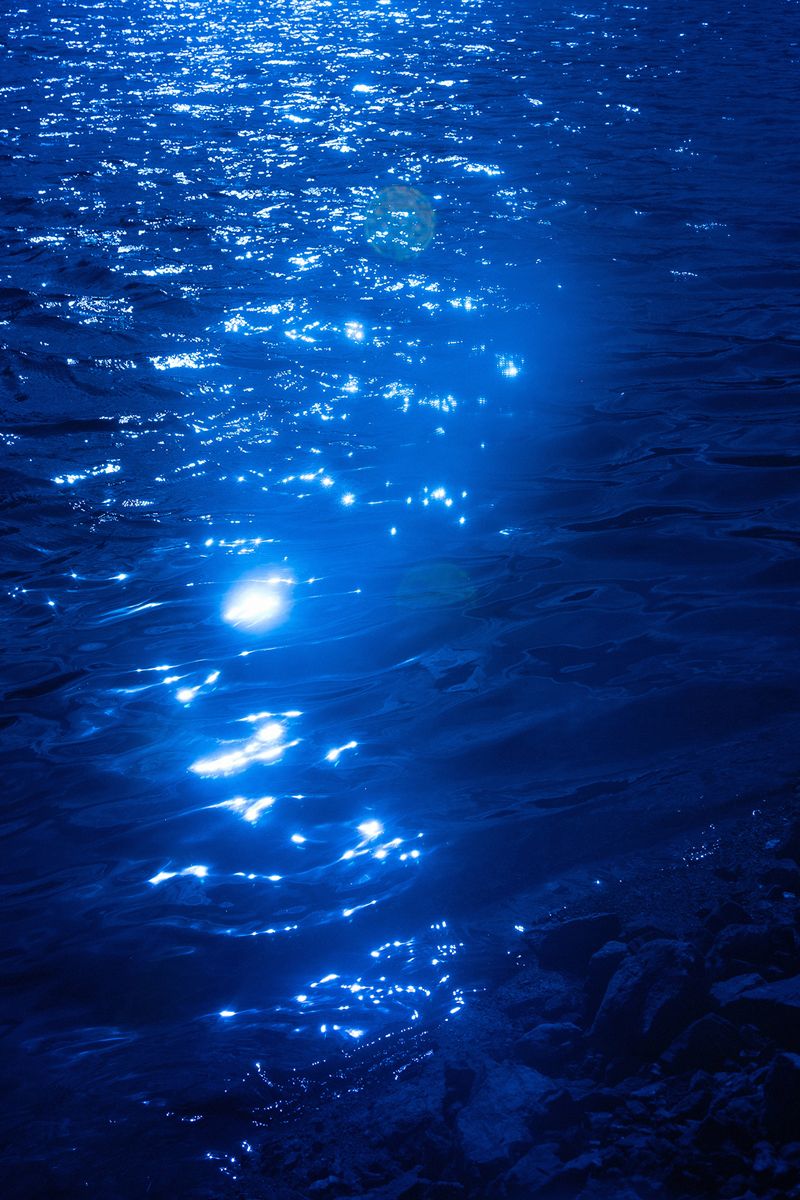
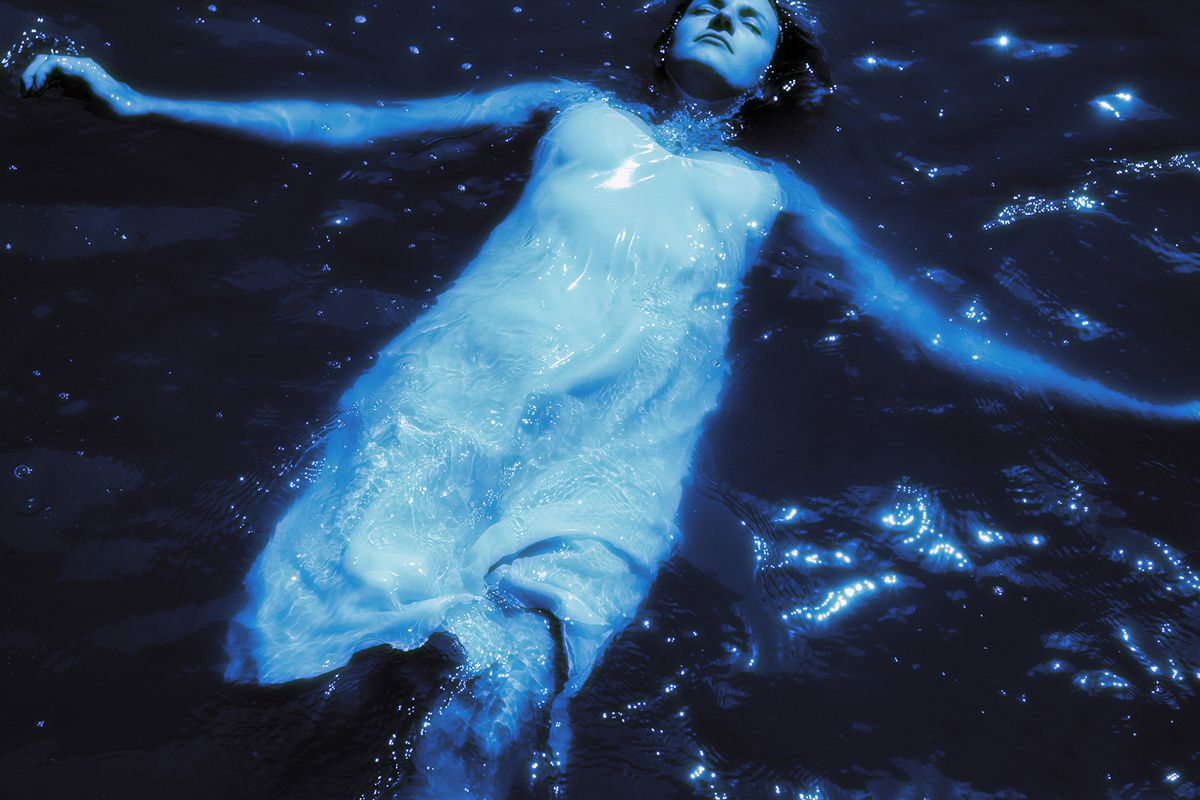
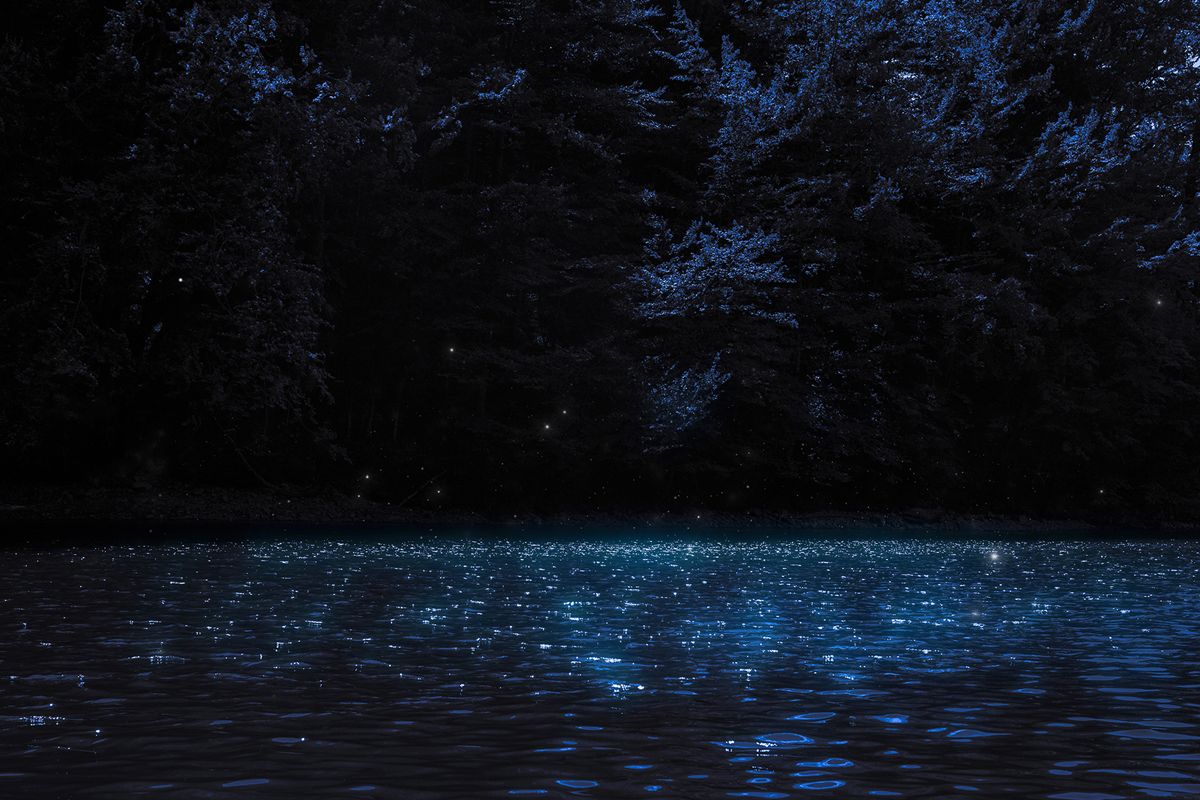
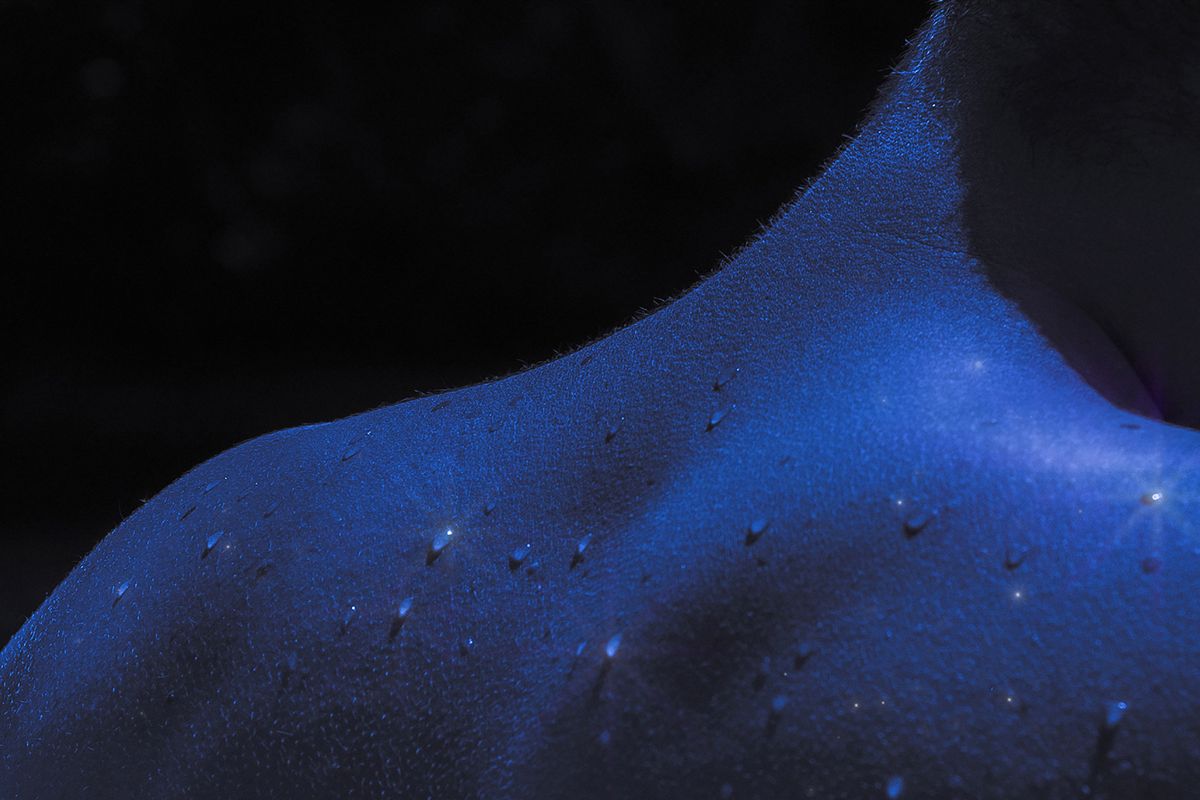
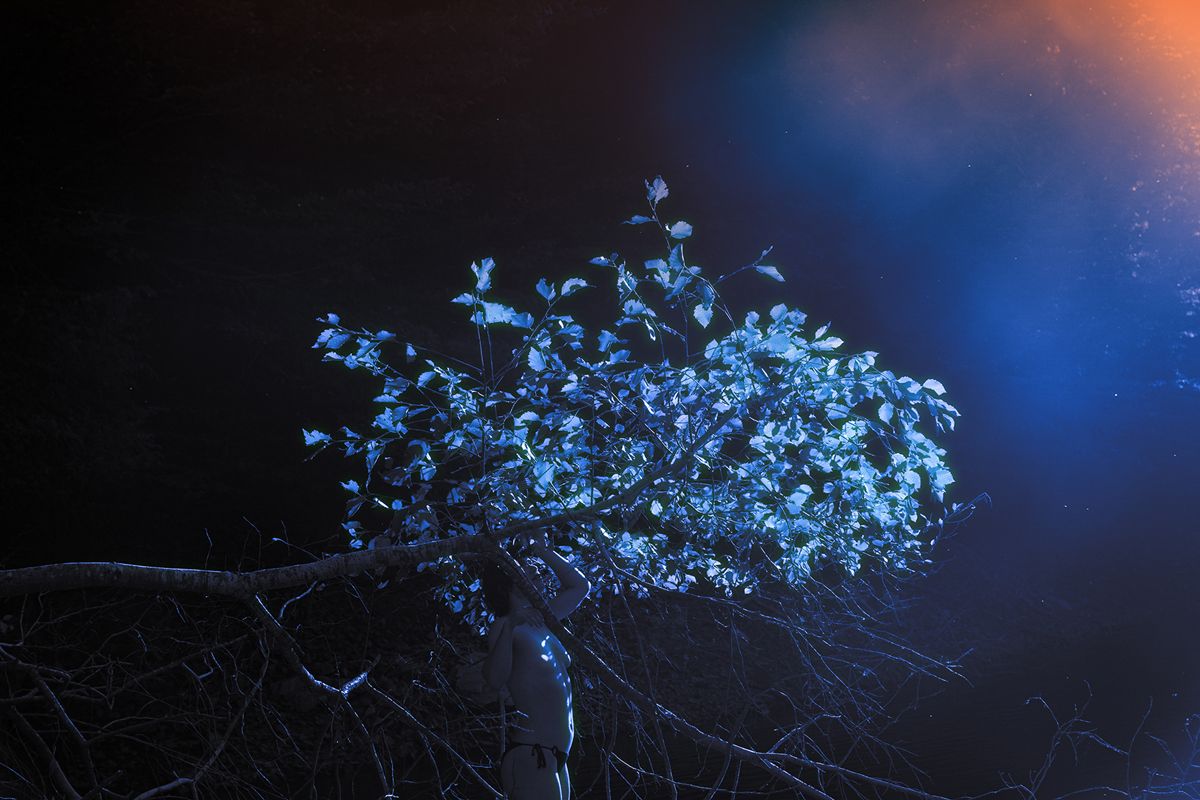
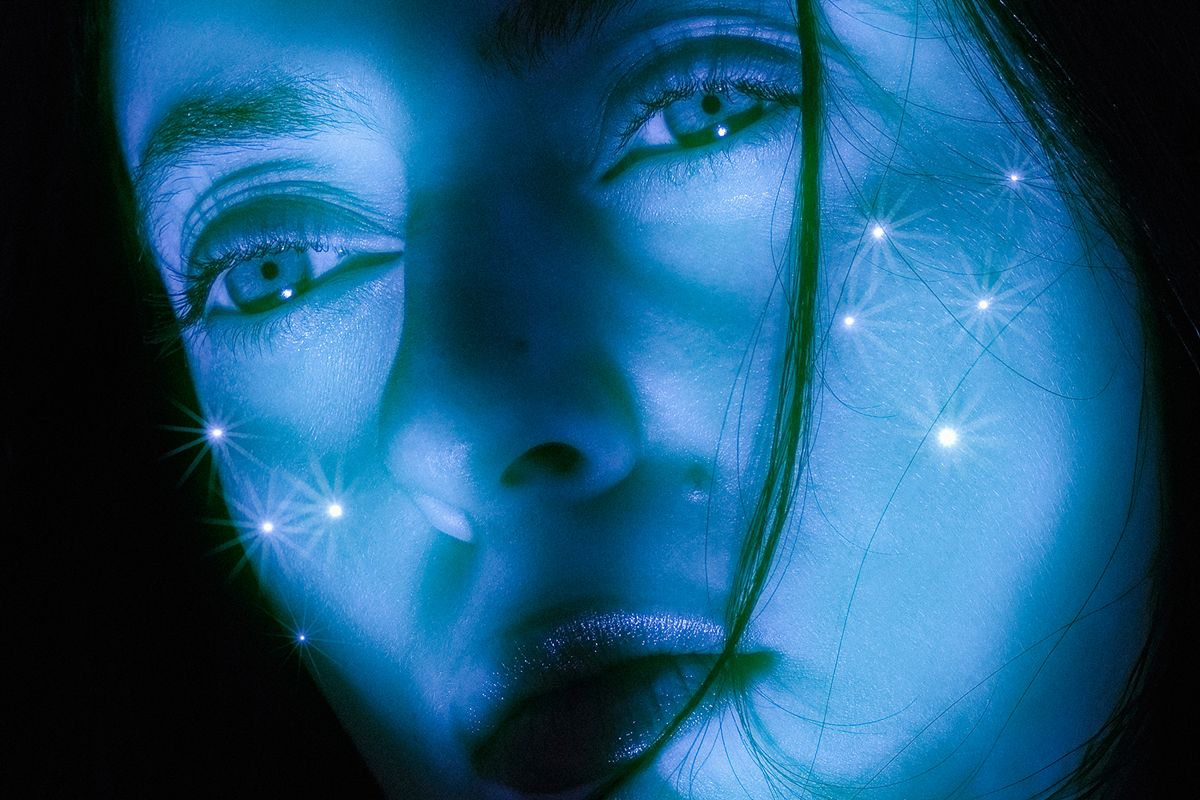
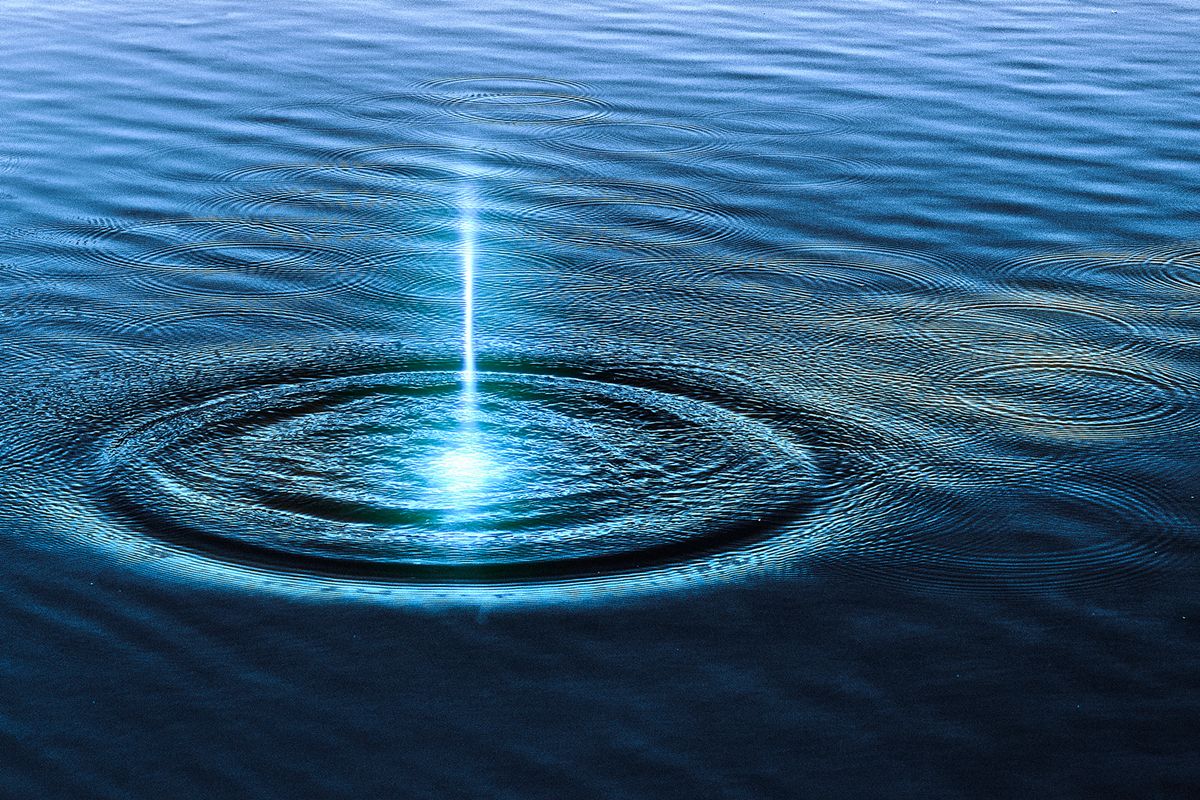
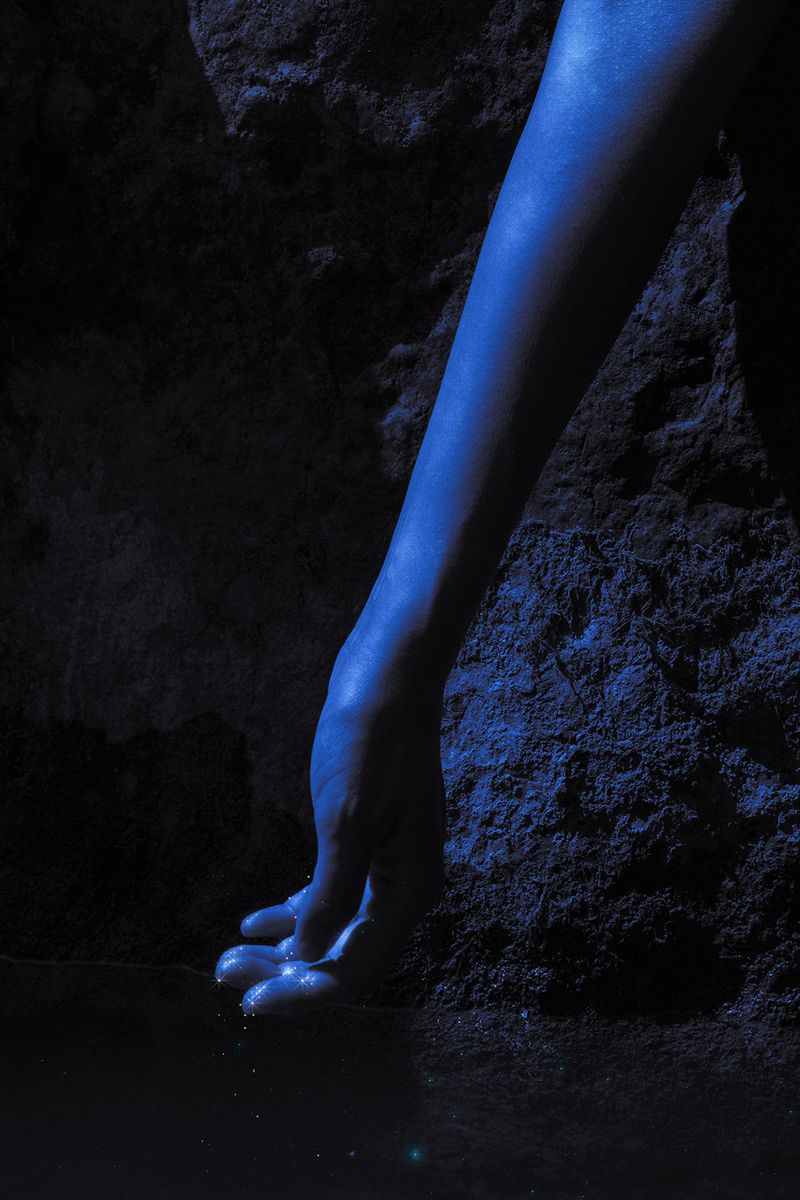
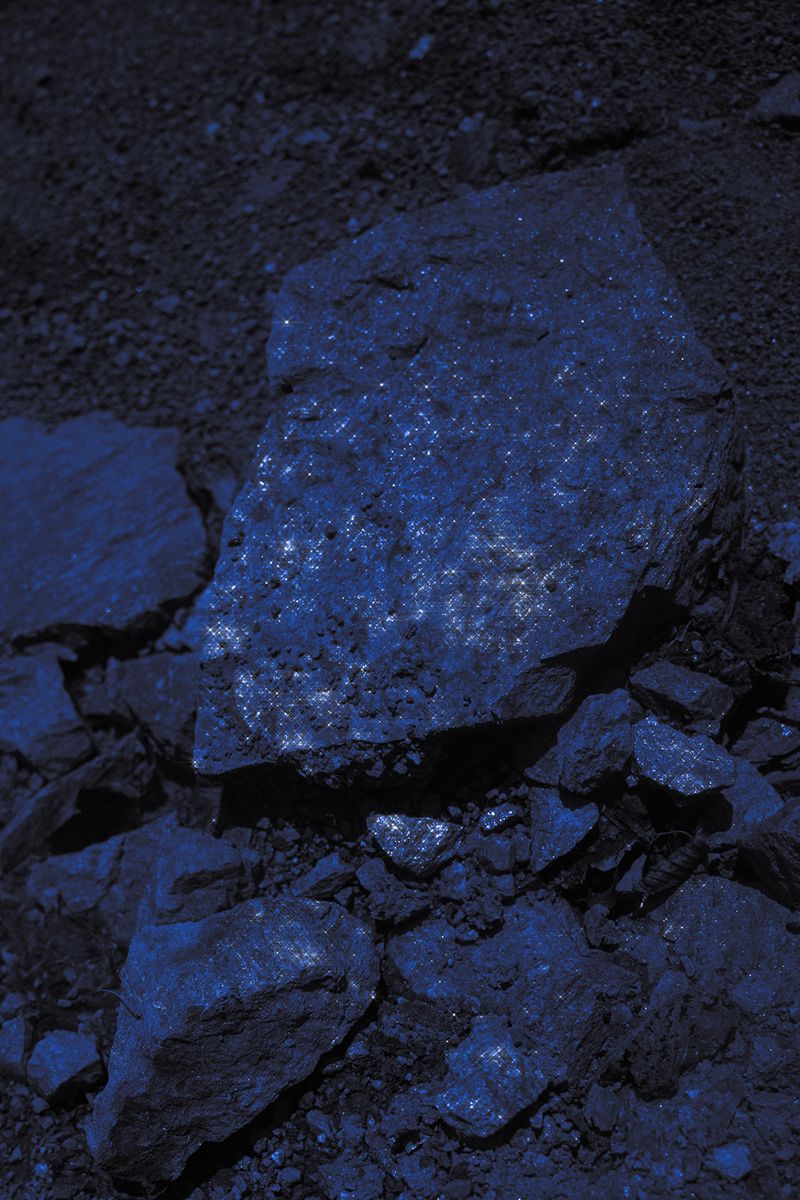
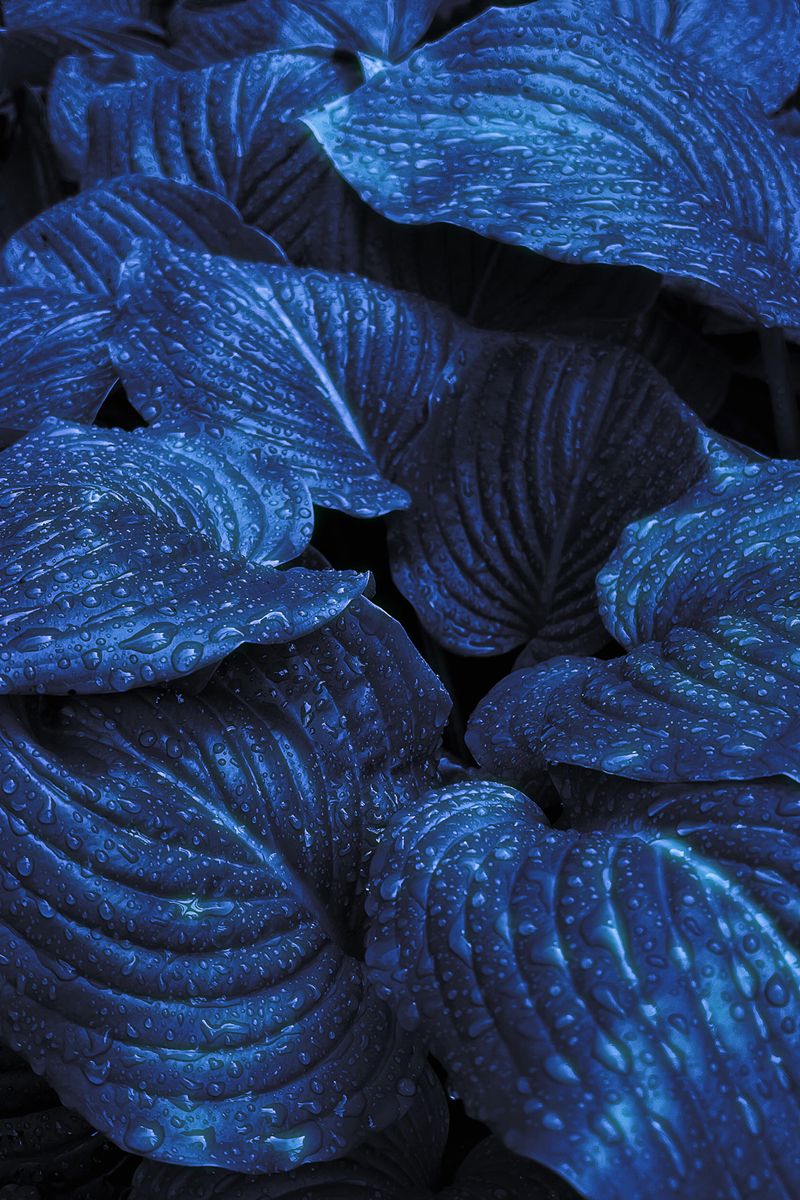
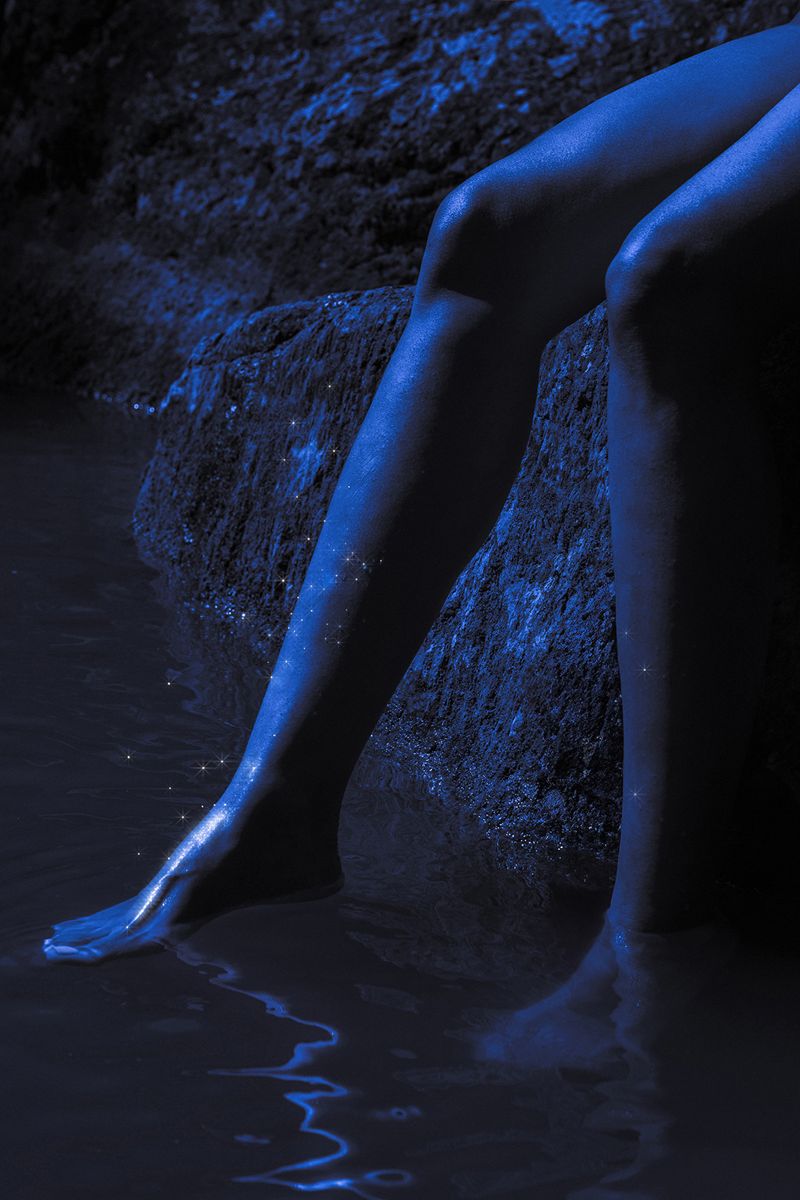
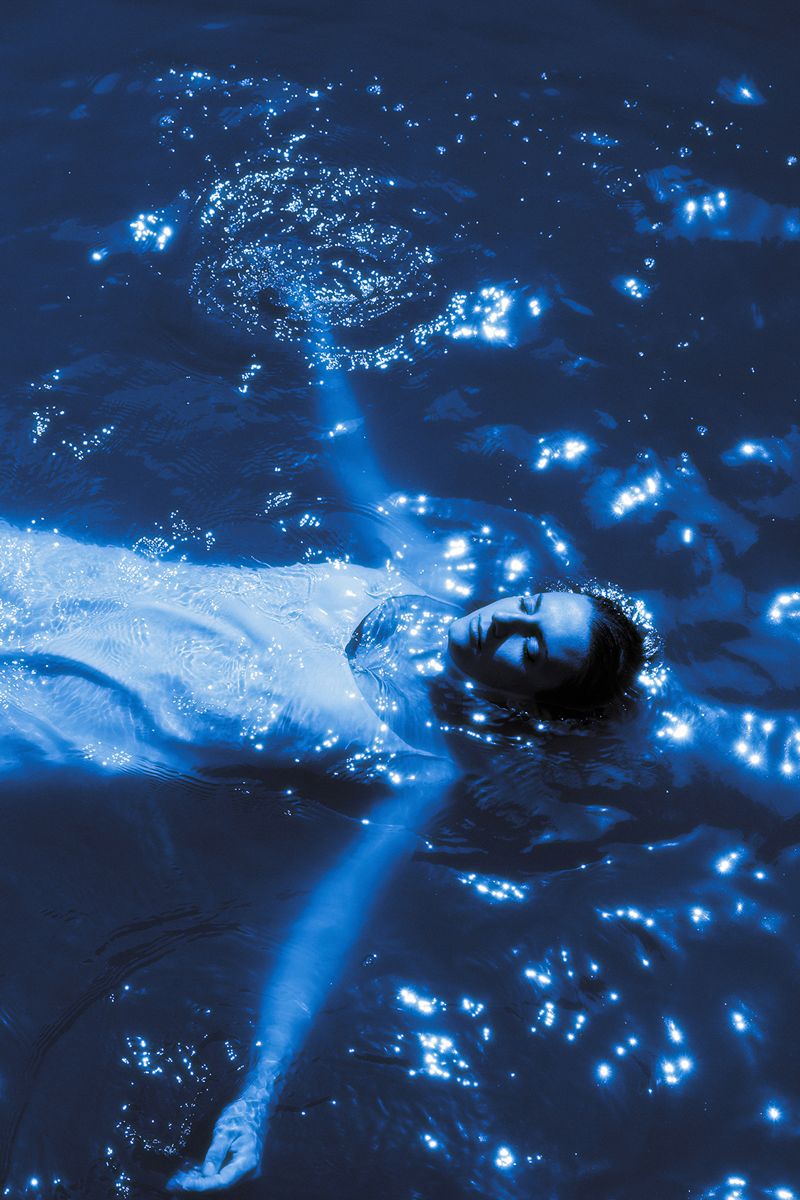
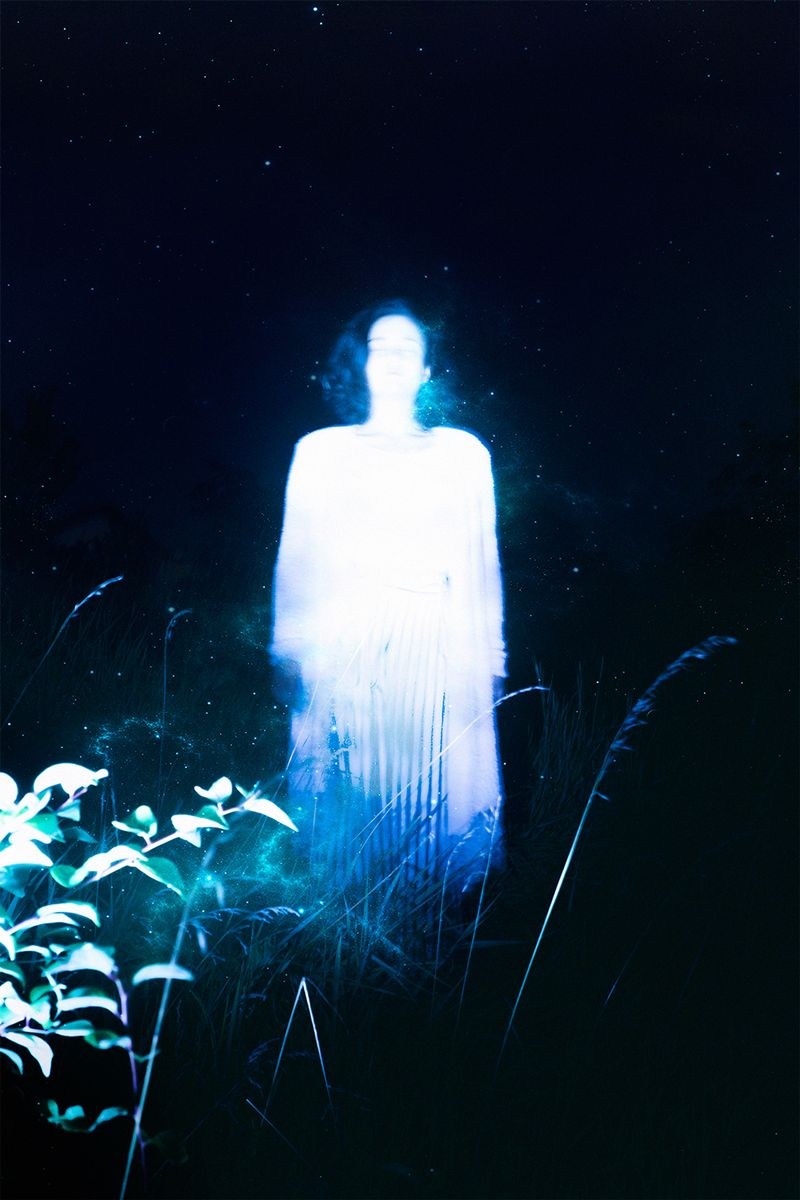
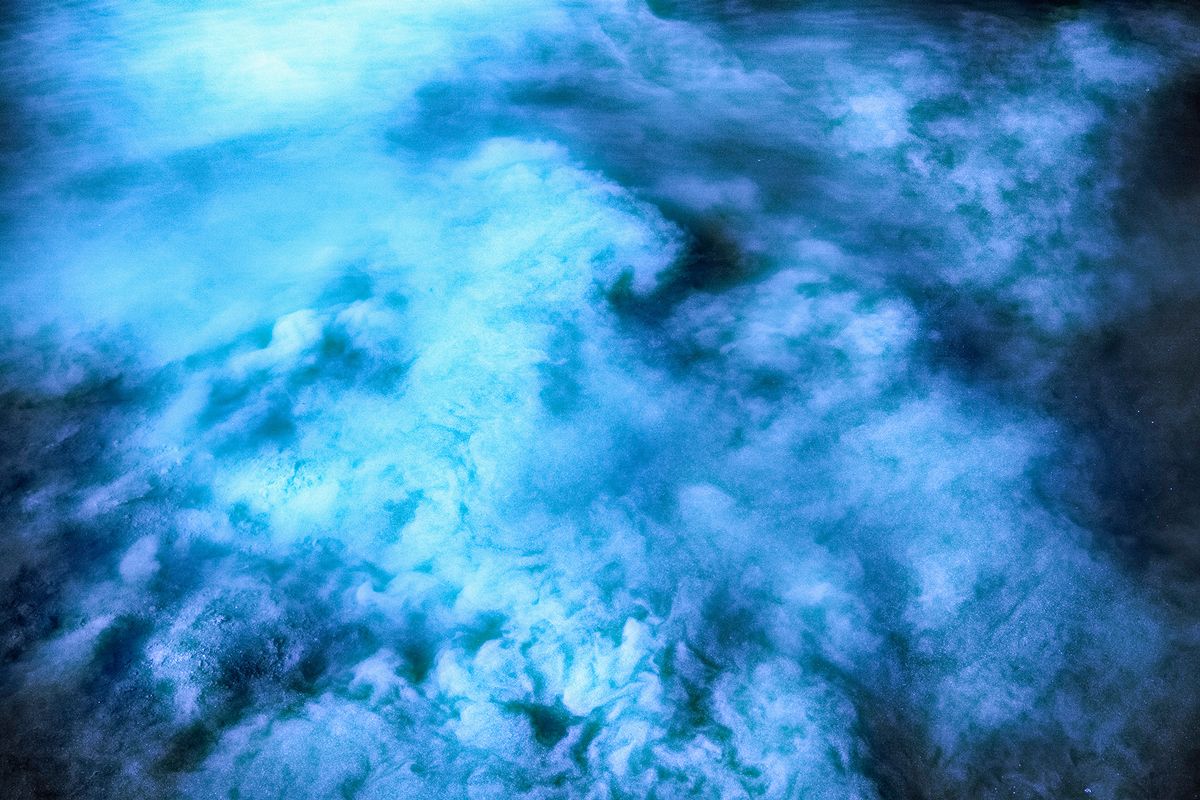
ร่างของหญิงสาวเป็นดังภาพแทนของความเชื่อมโยงกันระหว่างโลกและมนุษย์ การเปลี่ยนแปลงซ่อมแซมของโลกถูกส่งผ่านความระยิบระยับของแสงตกกระทบผิวน้ำและผิวเนื้อ การใช้สีน้ำเงินเข้ม (Deep Blue) ในภาพเป็นดังตัวแทนพลังอำนาจแห่งการสร้าง และทำลายที่สุดหยั่งถึงของจักรวาล เฟย์ดีได้แรงบันดาลใจมาจากการเดินป่าสำรวจธรรมชาติ จนทำให้เกิดความเชื่อมโยงอย่างลึกซึ้ง การเห็นเงาสะท้อนบนน้ำ การหักเหของแสง เสียงใบไม้ที่แผ่วเบา จนนำมาซึ่งการส่งผ่านแนวคิดอันเป็นนามธรรมในเรื่องวัฏจักรและความเปราะบางของชีวิต-ความตาย, ธรรมชาติกับมนุษย์ที่เกื้อกูล และทำลายล้างกันเป็นวงรอบไปไม่จบสิ้น
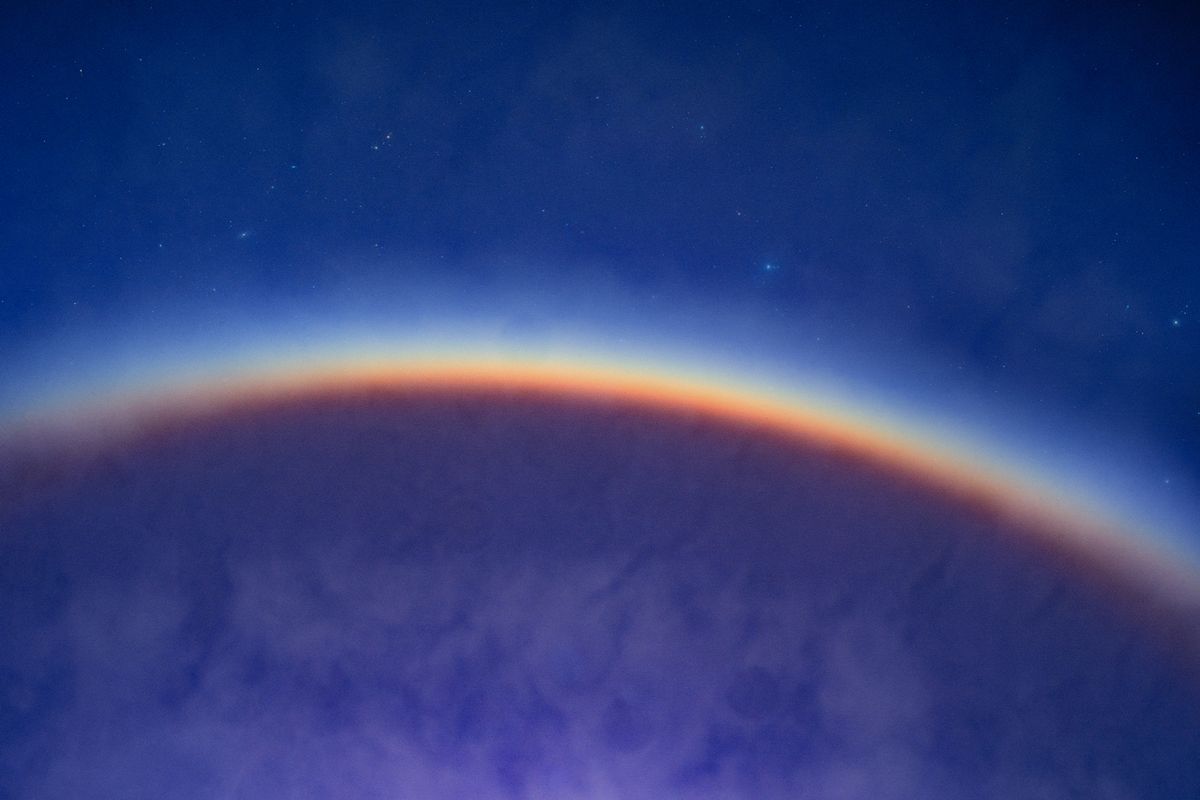
การแช่ตัว ดำดิ่ง และสำรวจปรากฏการณ์ในจิตใจโดยใช้กระบวนการสร้างภาพถ่ายให้เหนือจริงด้วยเทคนิคมากมายน่าตื่นตาตื่นใจดูจะเป็นแกนหลักของโครงการของพวกเขาที่พยายามสื่อสารภาพถ่ายบทกวีจากภายใน ออกไปสู่แพลตฟอร์มภายนอกที่ใหญ่โตกว่า ไม่ว่าจะเป็นโลกหรือธรรมชาติ และพ้นขอบเขตของพวกมันออกไป บทกวีทางภาพถ่ายเหล่านั้นถูกส่งเข้าไปในความมืดอันไร้ที่สิ้นสุดของจักรวาล เดินทางไปถึงขอบแดนไกลโพ้น และพื้นที่ทางจิตวิญญาณของใครคนหนึ่งที่กำลังหลับไหลในรังไหม การฟื้นคืนตื่นขึ้นมาท่ามกลางแสงสีน้ำเงินเข้มอาบร่างของหญิงสาวอันเป็นตัวแทนของโลกในวงรอบใหม่อีกครั้ง
เกี่ยวกับศิลปิน
จอร์เจียนา เฟย์ดี เป็นศิลปินทัศนศิลป์ที่อาศัยอยู่ในเมืองคลูจ-นาโปกา ประเทศโรมาเนีย เธอทำงานโดยใช้ทั้งเครื่องมือดิจิทัลและแอนะล็อก รวมถึงกระบวนการหลังการถ่ายภาพและการทดลองในห้องมืด ผลงานของเธอได้รับแรงบันดาลใจจากความลึกลับของจักรวาล ธรรมชาติ และการหยั่งรู้ภายใน ถ่ายทอดออกมาเป็นเรื่องเล่าผ่านภาพที่ก้าวข้ามขอบเขตความคิดแบบเดิม ๆ จอร์เจียนาเคยจัดแสดงผลงานเดี่ยวในประเทศ และร่วมแสดงในนิทรรศการกลุ่มทั้งในและต่างประเทศ
IG : georgiana_feidi
ก่อนหน้านี้ไม่นานมีโครงการภาพถ่ายที่เคยแสดงบนแพลตฟอร์มของ CTypeMag ดูจะมีโครงสร้างแนวคิดคล้าย ๆ กัน เช่น Metamorphosis ของ เคลาเดีย ฟูกเก็ตติ (Claudia Fuggetti) พูดถึงเรื่องธรรมชาติเช่นกัน แต่ในมุมมองของการปรับตัวของธรรมชาติและมนุษย์ให้เข้ากันได้ใหม่อีกครั้งโดยใช้สีต่าง ๆ เปรียบกับการรับมือของธรรมชาติที่กำลังเคลื่อนไหวอยู่ ณ ใจกลางโลก, The Interval of Unreason (2020) ของ ไอโออันนา ซาเคลลาราคี (Ioanna Sakellaraki) ทำงานเกี่ยวข้องกับจิตวิญญาณและธรรมชาติที่ถ่ายเทพลังงานเข้าหากัน เธอเดินทางไปยังเกาะปัตโมสของกรีก "เกาะแห่งวันสิ้นโลก" สถานที่ที่จุดสิ้นสุดของโลกเริ่มต้นขึ้น ซึ่งเป็นแรงบันดาลใจให้เซนต์จอห์นเขียนหนังสือวิวรณ์ (Book of Revelation) ไอโออันนาสำรวจธรรมชาติ และภูมิประเทศในตอนกลางคืน ถ่ายทอดออกมาเป็นภาพถ่ายและข้อเขียนเชิงกวีที่สวยงาม หรืองานชุด สังสารวัฏ (Samsara) ของศิลปินชาวสิงคโปร์ อัลวิน อึ้ง (Alvin Ng) นำเสนอเรื่องราวของมนุษย์ คำสอนทางศาสนา ธรรมชาติอันคาบเกี่ยวกันอย่างคลุมเครือในยุคที่มนุษย์ต้องพบเจอกับสิ่งไม่คาดฝัน และอันตรายอย่างการระบาดใหญ่ของโควิด-19
ส่วนงานที่กำลังนำเสนอใหม่ชิ้นนี้ จอร์เจียนา เฟย์ดี (Georgiana Feidi) ศิลปินทัศนศิลป์ชาวโรมาเนีย สร้างโครงการศิลปะภาพถ่ายชื่อ Chrysalis ที่เฟย์ดีใช้เทคนิคทางคอมพิวเตอร์ทำงานกับภาพถ่ายได้ละเอียดละออ ประณีต และงดงาม เธอพูดถึงวัฏจักรที่โลกกำลังหลับใหลพักฟื้นในรังไหมแห่งธรรมชาติ (ดูจะเป็นวงรอบครั้งใหม่จากความพินาศย่อยยับก่อนหน้านี้-ทำให้นึงถึงภาพยนตร์เรื่อง Mother! หรือการรีบูต (Reboot) ใน The Matrix : Revolution)
ร่างของหญิงสาวเป็นดังภาพแทนของความเชื่อมโยงกันระหว่างโลกและมนุษย์ การเปลี่ยนแปลงซ่อมแซมของโลกถูกส่งผ่านความระยิบระยับของแสงตกกระทบผิวน้ำและผิวเนื้อ การใช้สีน้ำเงินเข้ม (Deep Blue) ในภาพเป็นดังตัวแทนพลังอำนาจแห่งการสร้าง และทำลายที่สุดหยั่งถึงของจักรวาล เฟย์ดีได้แรงบันดาลใจมาจากการเดินป่าสำรวจธรรมชาติ จนทำให้เกิดความเชื่อมโยงอย่างลึกซึ้ง การเห็นเงาสะท้อนบนน้ำ การหักเหของแสง เสียงใบไม้ที่แผ่วเบา จนนำมาซึ่งการส่งผ่านแนวคิดอันเป็นนามธรรมในเรื่องวัฏจักรและความเปราะบางของชีวิต-ความตาย, ธรรมชาติกับมนุษย์ที่เกื้อกูล และทำลายล้างกันเป็นวงรอบไปไม่จบสิ้น
การแช่ตัว ดำดิ่ง และสำรวจปรากฏการณ์ในจิตใจโดยใช้กระบวนการสร้างภาพถ่ายให้เหนือจริงด้วยเทคนิคมากมายน่าตื่นตาตื่นใจดูจะเป็นแกนหลักของโครงการของพวกเขาที่พยายามสื่อสารภาพถ่ายบทกวีจากภายใน ออกไปสู่แพลตฟอร์มภายนอกที่ใหญ่โตกว่า ไม่ว่าจะเป็นโลกหรือธรรมชาติ และพ้นขอบเขตของพวกมันออกไป บทกวีทางภาพถ่ายเหล่านั้นถูกส่งเข้าไปในความมืดอันไร้ที่สิ้นสุดของจักรวาล เดินทางไปถึงขอบแดนไกลโพ้น และพื้นที่ทางจิตวิญญาณของใครคนหนึ่งที่กำลังหลับไหลในรังไหม การฟื้นคืนตื่นขึ้นมาท่ามกลางแสงสีน้ำเงินเข้มอาบร่างของหญิงสาวอันเป็นตัวแทนของโลกในวงรอบใหม่อีกครั้ง
เกี่ยวกับศิลปิน
จอร์เจียนา เฟย์ดี เป็นศิลปินทัศนศิลป์ที่อาศัยอยู่ในเมืองคลูจ-นาโปกา ประเทศโรมาเนีย เธอทำงานโดยใช้ทั้งเครื่องมือดิจิทัลและแอนะล็อก รวมถึงกระบวนการหลังการถ่ายภาพและการทดลองในห้องมืด ผลงานของเธอได้รับแรงบันดาลใจจากความลึกลับของจักรวาล ธรรมชาติ และการหยั่งรู้ภายใน ถ่ายทอดออกมาเป็นเรื่องเล่าผ่านภาพที่ก้าวข้ามขอบเขตความคิดแบบเดิม ๆ จอร์เจียนาเคยจัดแสดงผลงานเดี่ยวในประเทศ และร่วมแสดงในนิทรรศการกลุ่มทั้งในและต่างประเทศ
IG : georgiana_feidi
Many photographic art projects often explore the interconnectedness between humanity, the world, nature, and the cosmos, employing imagery and metaphorical symbols as mediators. These works typically utilize a combination of techniques that push beyond the limits of ordinary photography, creating a surreal atmosphere. However, this form of surrealism differs from the kind found in Salvador Dalí’s celebrated painting The Persistence of Memory (1931), which seems to transport viewers into an entirely new world. Instead, they employ a range of techniques that transcend the conventional dimensions of photography. The resulting images remain closely tied to nature—forests, rivers, and uncanny scenes often surround the compositions. The works speak to the simplicity of humankind and the natural world, a simplicity that appears paradoxical within their surreal contexts yet merges harmoniously. Perhaps, in truth, this paradox reflects the very nature of the Earth and the cosmos themselves.
Many photographic projects often explore the connection between humans, the world, nature, and the universe through visual representations and metaphors. These works frequently employ mixed media techniques to push boundaries and create a surreal state from ordinary photographs. However, this visual style differs from the surrealism seen in the famous painting The Persistence of Memory (1931) by Salvador Dalí (1931-1989), which feels like stepping into a completely new world. Instead, these artists use various techniques to transcend traditional photo- graphy while keeping the images closely tied to nature—with forests and rivers surrounding strange events. The work reflects on the simplicity of humans and nature, which might seem contradictory to the surreal elements in the pieces, yet they blend together perfectly. Or perhaps, the nature of the world and the universe has always been this way?
Recently, photography projects featured on the CTypeMag platform have shared a similar conceptual structure. For example, Metamorphosis by Claudia Fuggetti (b. 1993) also addresses nature. However, it focuses on the re-adaptation between nature and humans, using colors to represent how nature is moving and reacting at the core of the earth.
The Interval of Unreason (2020) by Ioanna Sakellaraki (b. 1989) deals with spirituality and the exchange of energy between nature and the self. She traveled to the Greek island of Patmos, known as the "Island of the Apocalypse"—the place where the end of the world begins and the inspiration for St. John’s Book of Revelation. Sakellaraki explores the landscape and nature at night, translating them into beautiful photographs and poetic text. Similarly, the series Samsara by Singaporean artist Alvin Ng presents stories of humans, religious teachings, and nature. These elements overlap ambiguously in an era where humanity faces unexpected dangers like the COVID-19 pandemic.
In this newly presented work, Romanian visual artist Georgiana Feidi creates a photography project titled Chry-salis. Feidi uses computer techniques to manipulate photographs with great detail, refinement, and beauty. She speaks of a cycle where the world sleeps and heals within a cocoon of nature (reminiscent of a new cycle following destruction, similar to the movie Mother! or the reboot in The Matrix: Revolution).
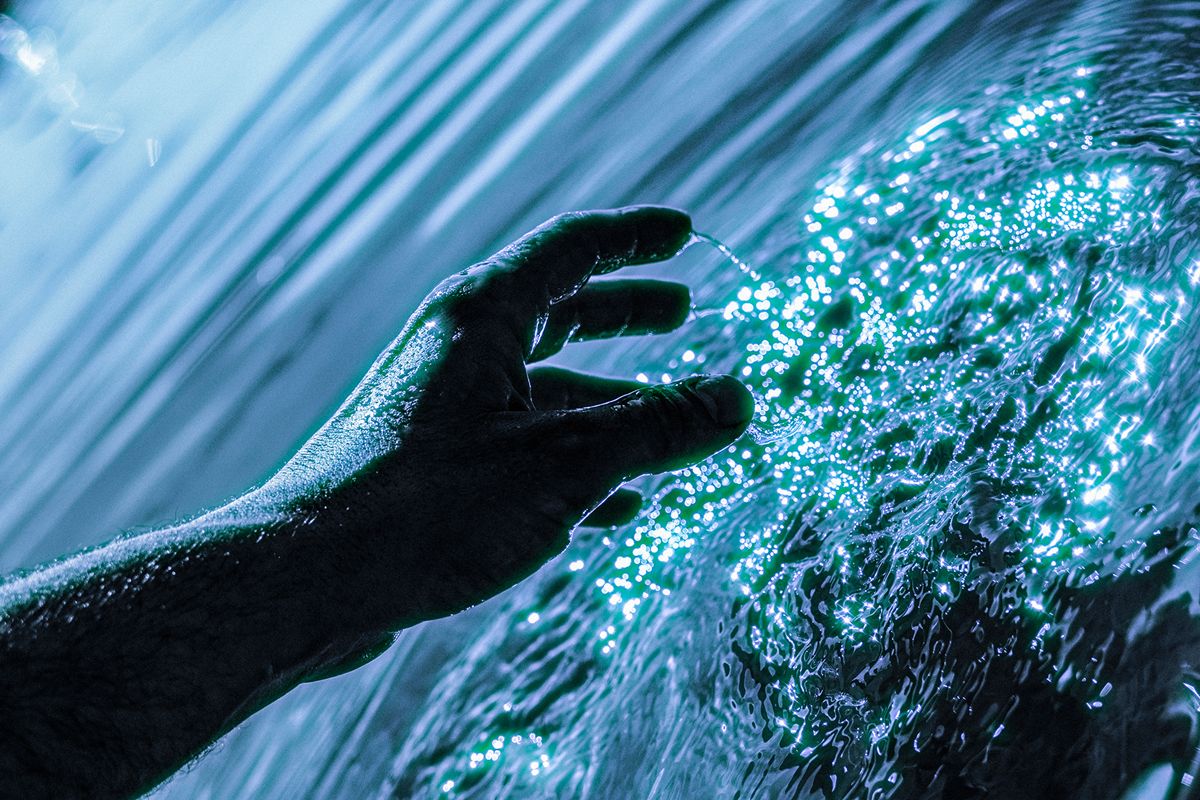
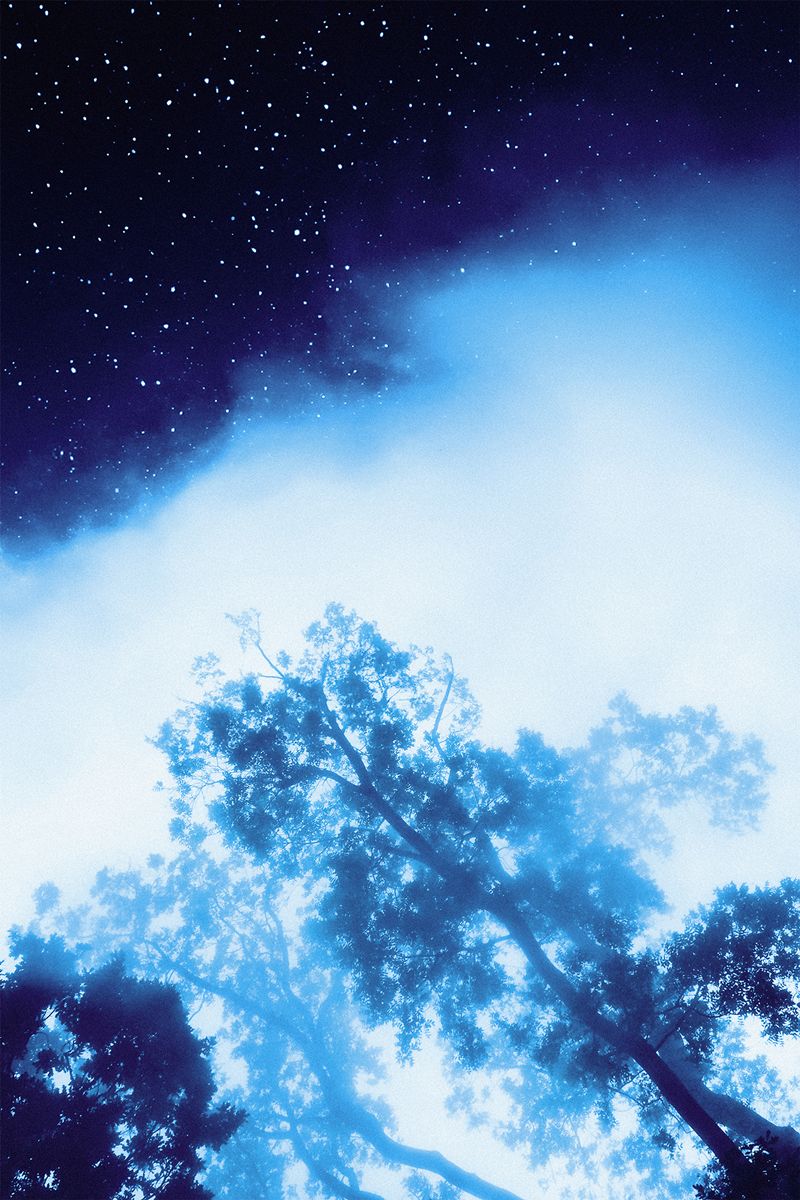
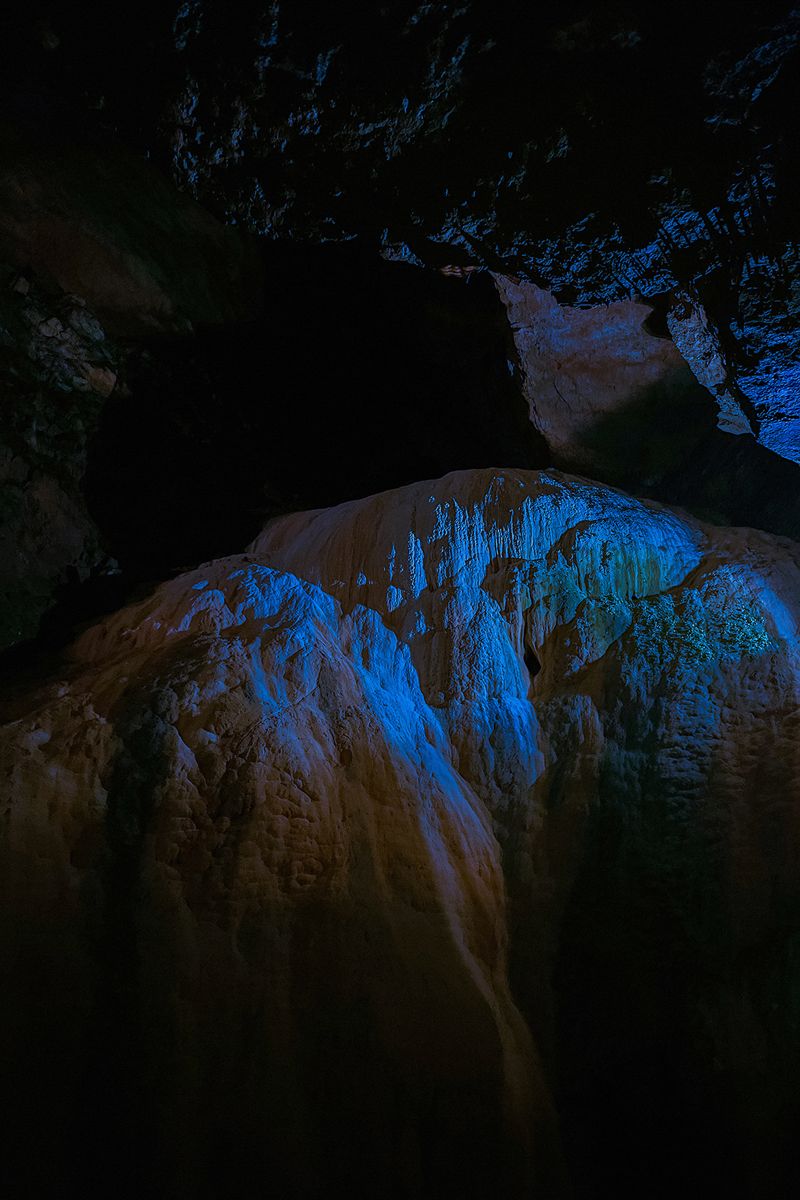
The female body acts as a representation of the link between the earth and humans. The earth's repair and transformation are conveyed through the shimmering light reflecting on water and skin. The use of "Deep Blue" in the images represents the unfathomable power of creation and destruction in the universe. Feidi draws inspiration from hiking and exploring nature, creating a deep connection through seeing reflections on water, light refraction, and the soft sound of leaves. This leads to the transmission of abstract concepts regarding cycles, the fragility of life and death, and the endless loop of nature and humans supporting, and destroying, each other.
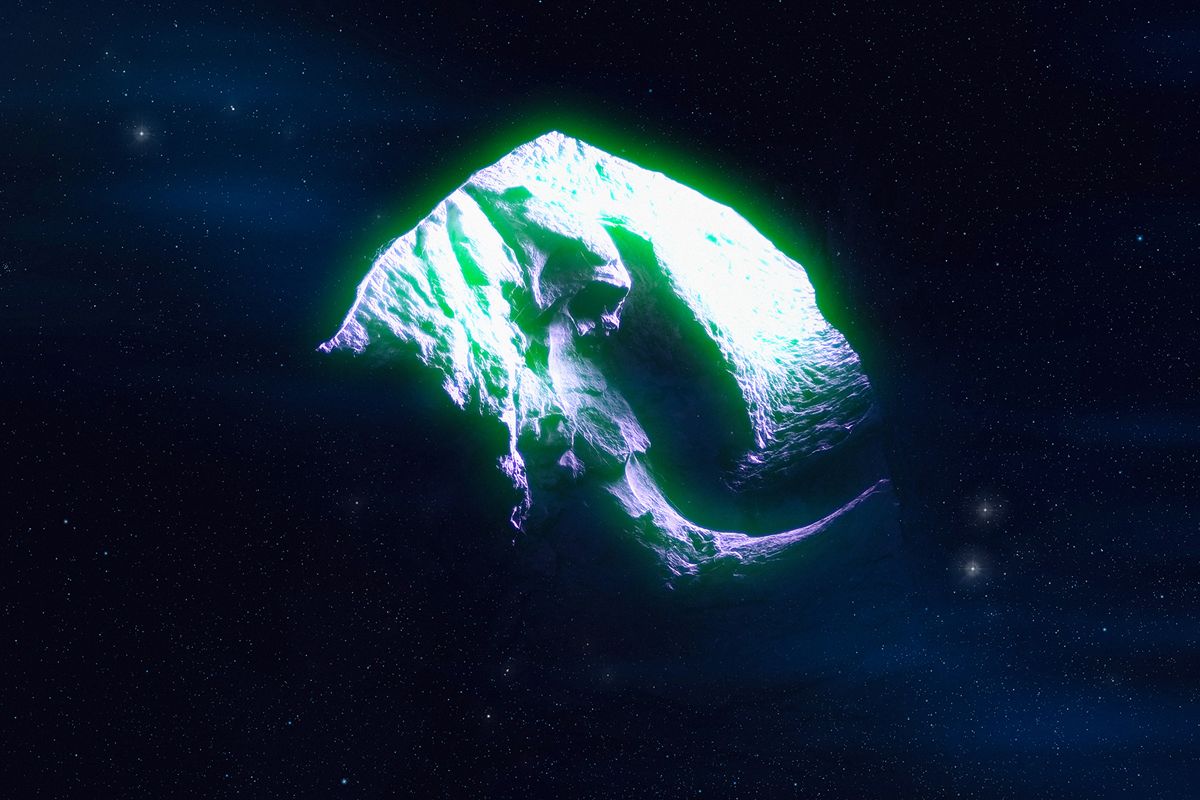
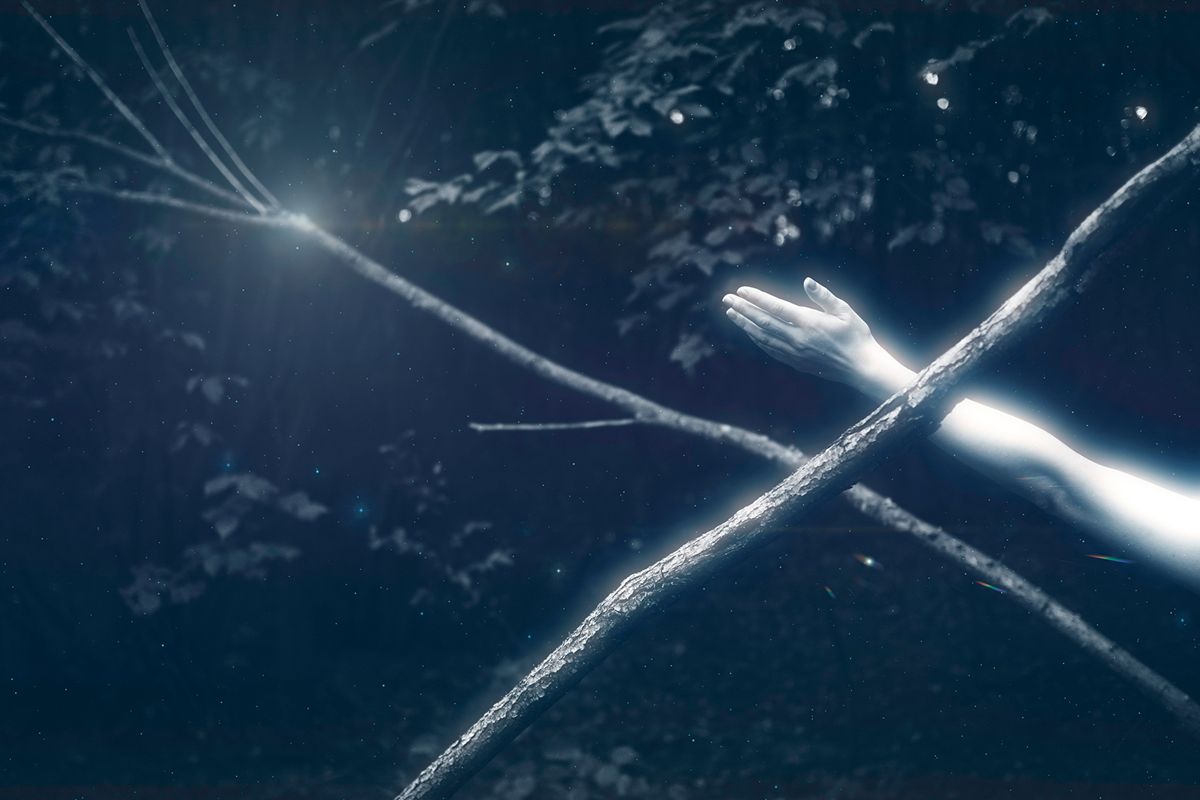
Immersing oneself, diving deep, and exploring internal phenomena through the process of creating surreal images with exciting techniques seems to be the core of these projects. They attempt to commu-nicate visual poetry from within to larger external platforms—whether that be the world, nature, or realms beyond them. These visual poems are sent into the endless darkness of the universe, traveling to distant edges and the spiritual space of someone sleeping in a cocoon. They awaken the young woman amidst the deep blue light bathing her body, like the birth of the world in a new cycle once again.
About the Artist
Georgiana Feidi is a visual artist based in Cluj-Napoca, Romania, who uses both digital and analog tools, including post-processing and darkroom explorations. Her work is inspired by the mysteries of the universe, nature, and personal insights, creating visual narratives that transcend conventional boundaries of thought. Georgiana has showcased her work in solo exhibitions nationally and in group shows both nationally and internationally.
IG : georgiana_feidi
Many photographic projects often explore the connection between humans, the world, nature, and the universe through visual representations and metaphors. These works frequently employ mixed media techniques to push boundaries and create a surreal state from ordinary photographs. However, this visual style differs from the surrealism seen in the famous painting The Persistence of Memory (1931) by Salvador Dalí (1931-1989), which feels like stepping into a completely new world. Instead, these artists use various techniques to transcend traditional photo- graphy while keeping the images closely tied to nature—with forests and rivers surrounding strange events. The work reflects on the simplicity of humans and nature, which might seem contradictory to the surreal elements in the pieces, yet they blend together perfectly. Or perhaps, the nature of the world and the universe has always been this way?
Recently, photography projects featured on the CTypeMag platform have shared a similar conceptual structure. For example, Metamorphosis by Claudia Fuggetti (b. 1993) also addresses nature. However, it focuses on the re-adaptation between nature and humans, using colors to represent how nature is moving and reacting at the core of the earth.
The Interval of Unreason (2020) by Ioanna Sakellaraki (b. 1989) deals with spirituality and the exchange of energy between nature and the self. She traveled to the Greek island of Patmos, known as the "Island of the Apocalypse"—the place where the end of the world begins and the inspiration for St. John’s Book of Revelation. Sakellaraki explores the landscape and nature at night, translating them into beautiful photographs and poetic text. Similarly, the series Samsara by Singaporean artist Alvin Ng presents stories of humans, religious teachings, and nature. These elements overlap ambiguously in an era where humanity faces unexpected dangers like the COVID-19 pandemic.
In this newly presented work, Romanian visual artist Georgiana Feidi creates a photography project titled Chry-salis. Feidi uses computer techniques to manipulate photographs with great detail, refinement, and beauty. She speaks of a cycle where the world sleeps and heals within a cocoon of nature (reminiscent of a new cycle following destruction, similar to the movie Mother! or the reboot in The Matrix: Revolution).
The female body acts as a representation of the link between the earth and humans. The earth's repair and transformation are conveyed through the shimmering light reflecting on water and skin. The use of "Deep Blue" in the images represents the unfathomable power of creation and destruction in the universe. Feidi draws inspiration from hiking and exploring nature, creating a deep connection through seeing reflections on water, light refraction, and the soft sound of leaves. This leads to the transmission of abstract concepts regarding cycles, the fragility of life and death, and the endless loop of nature and humans supporting, and destroying, each other.
Immersing oneself, diving deep, and exploring internal phenomena through the process of creating surreal images with exciting techniques seems to be the core of these projects. They attempt to commu-nicate visual poetry from within to larger external platforms—whether that be the world, nature, or realms beyond them. These visual poems are sent into the endless darkness of the universe, traveling to distant edges and the spiritual space of someone sleeping in a cocoon. They awaken the young woman amidst the deep blue light bathing her body, like the birth of the world in a new cycle once again.
About the Artist
Georgiana Feidi is a visual artist based in Cluj-Napoca, Romania, who uses both digital and analog tools, including post-processing and darkroom explorations. Her work is inspired by the mysteries of the universe, nature, and personal insights, creating visual narratives that transcend conventional boundaries of thought. Georgiana has showcased her work in solo exhibitions nationally and in group shows both nationally and internationally.
IG : georgiana_feidi
© CTypeMag 2016 - 2026

