

Black River - Noises Are Quite Loud Here
November 6, 2026
ในงานแสดงภาพถ่ายสิบสองปันนา ทางเทศกาลมีให้ Jury Panel โหวตงานที่จัดแสดงด้วย (ในฐานะคิวเรเตอร์) ซึ่งจะมีบางศิลปินที่ได้รับรางวัลต่าง ๆ กันไป และมีศิลปินที่ผมโหวตจะได้รับการกล่าวถึงในรูปแบบข้อเขียน เลยอยากนำมาให้อ่านกัน ถือว่าเป็นการโปรโมทศิลปิน และได้เห็นการทำงาน-ผลงานของชาติเพื่อนบ้านด้วย ไม่ใช่แต่จะโปรแค่ชาติเดียวกันเท่านั้น
งานชุดภาพถ่ายที่นำมามีสองชาติคือ จีน และพม่า การทำงานของพวกเขาแตกต่างกัน หากจุดร่วมของทัังคู่คือ กระบวนการเล่าเรื่องที่ไม่ปกติ สองงานนี้เป็นสองงานที่ต่างออกไปจากแนวโน้มหลักของทั้งเทศกาลที่เป็นภาพถ่ายสารคดีที่เข้มข้นตรงไปตรงมา หากทั้งคู่ที่กำลังกล่าวถึงนี้ดันศิลปะภาพถ่ายให้เกยทับไปบนสื่ออื่นอย่างมีนัยสำคัญ ทัังการใช้เทคโนโลยีมาผนวกกับเทคนิคเก่า หรือการจัดฉากแสดงและเล่าเรื่องอย่างพิศดาร ซึ่งเป็นวิธีที่ศิลปินภาพถ่ายร่วมสมัยนิยมใช้กัน
Black River
การสร้างเรื่องราวจำลองบนศิลปะภาพถ่าย เป็นกระบวนวิธีหนึ่งที่น่าสนใจ ดูแล้วอาจเหมือนภาพยนตร์ หากความนิ่ง (stillness) ของภาพถ่ายทำให้เกิดพื้นที่ร่วมกันระหว่าง ชิ้นงานศิลปะ—ผู้ชม—ความจริง ในพื้นที่ว่างเปล่านั้น อาจเป็นได้ทั้งความจริงที่ตรงไปตรงมาตามหลักฐานที่ปรากฏ หรือความจริงใหม่ที่เตลิดออกไปไกลกว่าความเป็นชิ้นงานของศิลปิน และไกลเกินกว่าความจริงแท้ด้วย
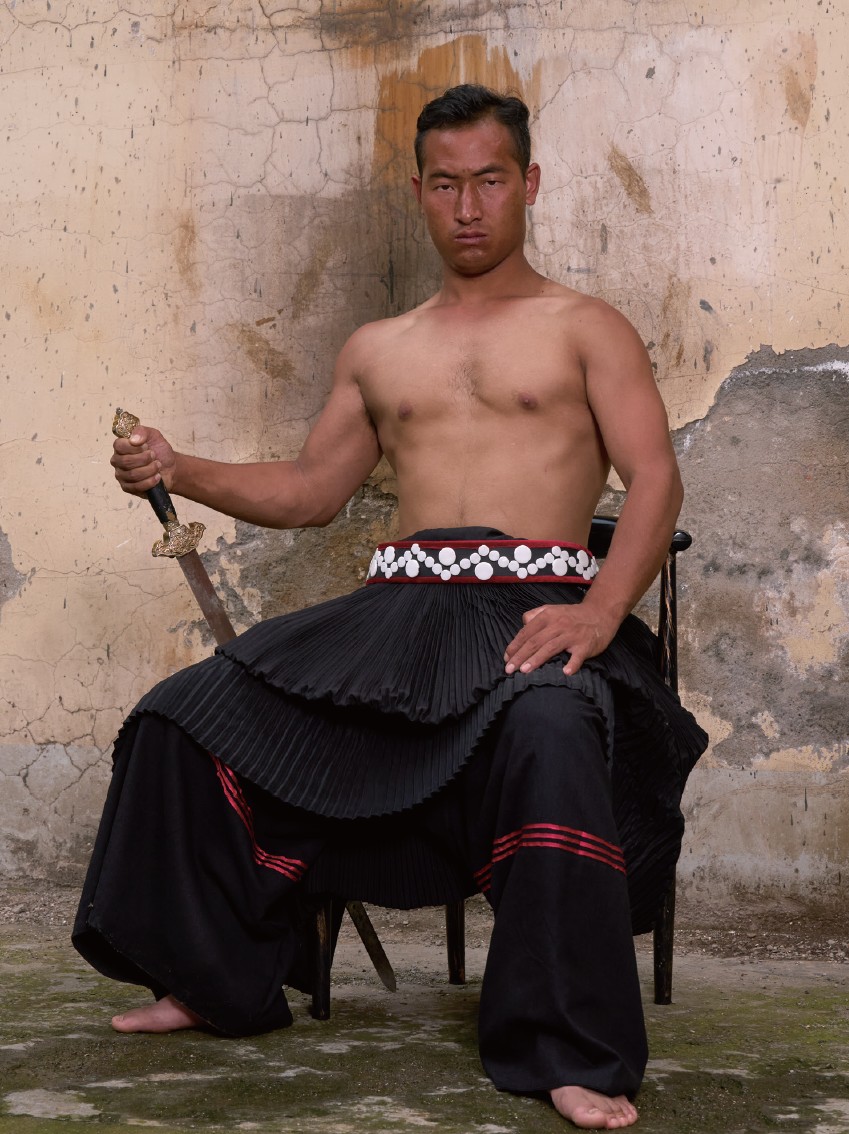
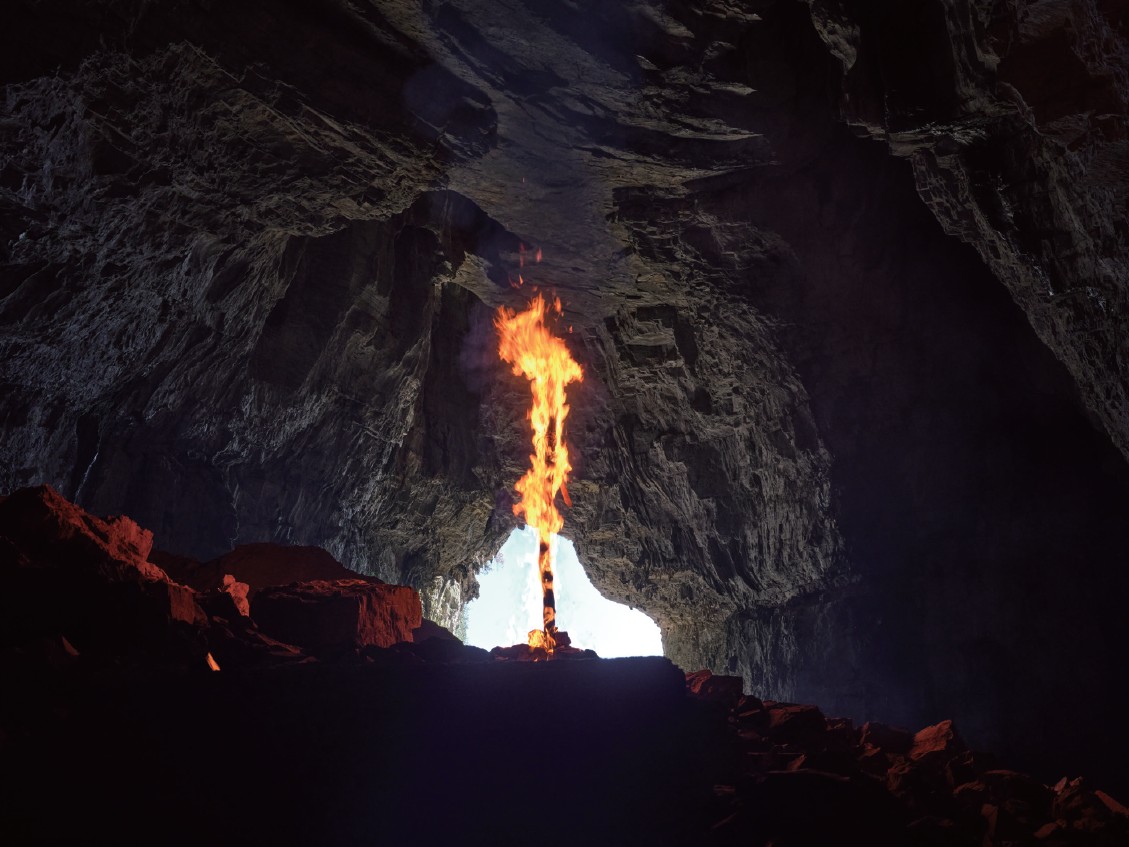
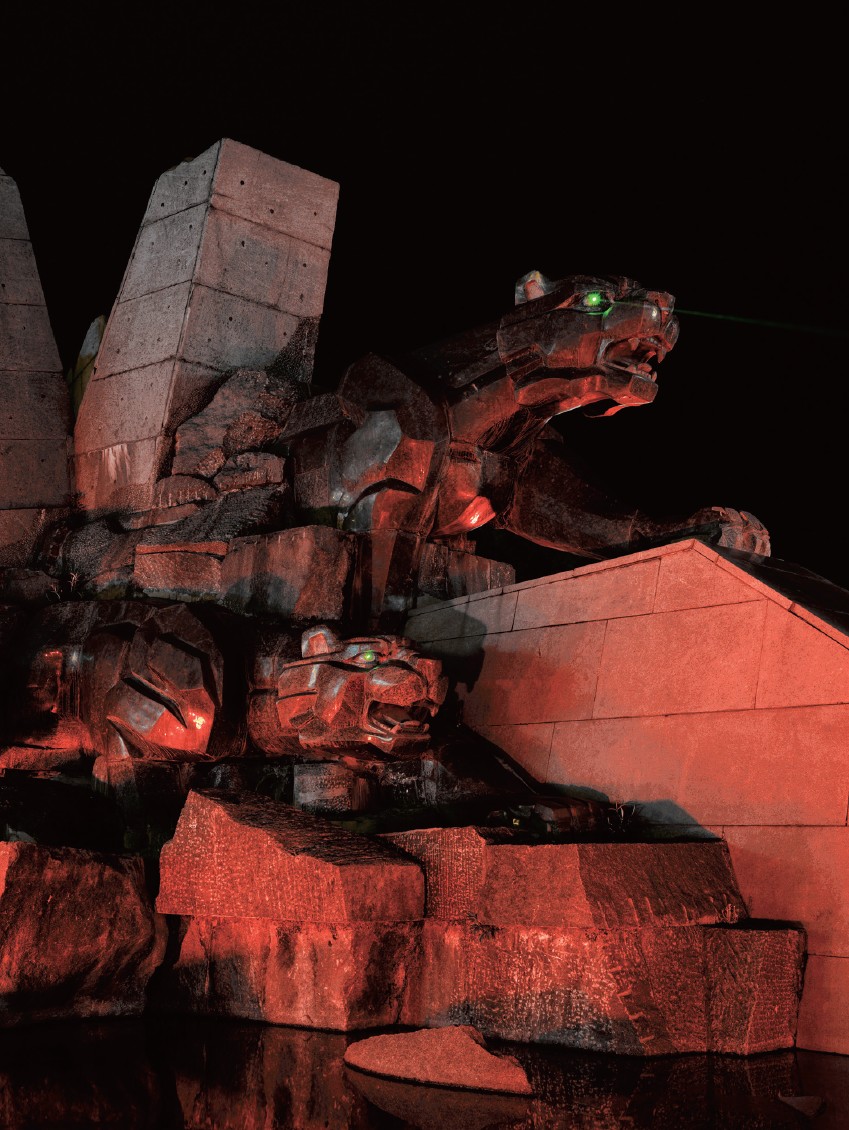
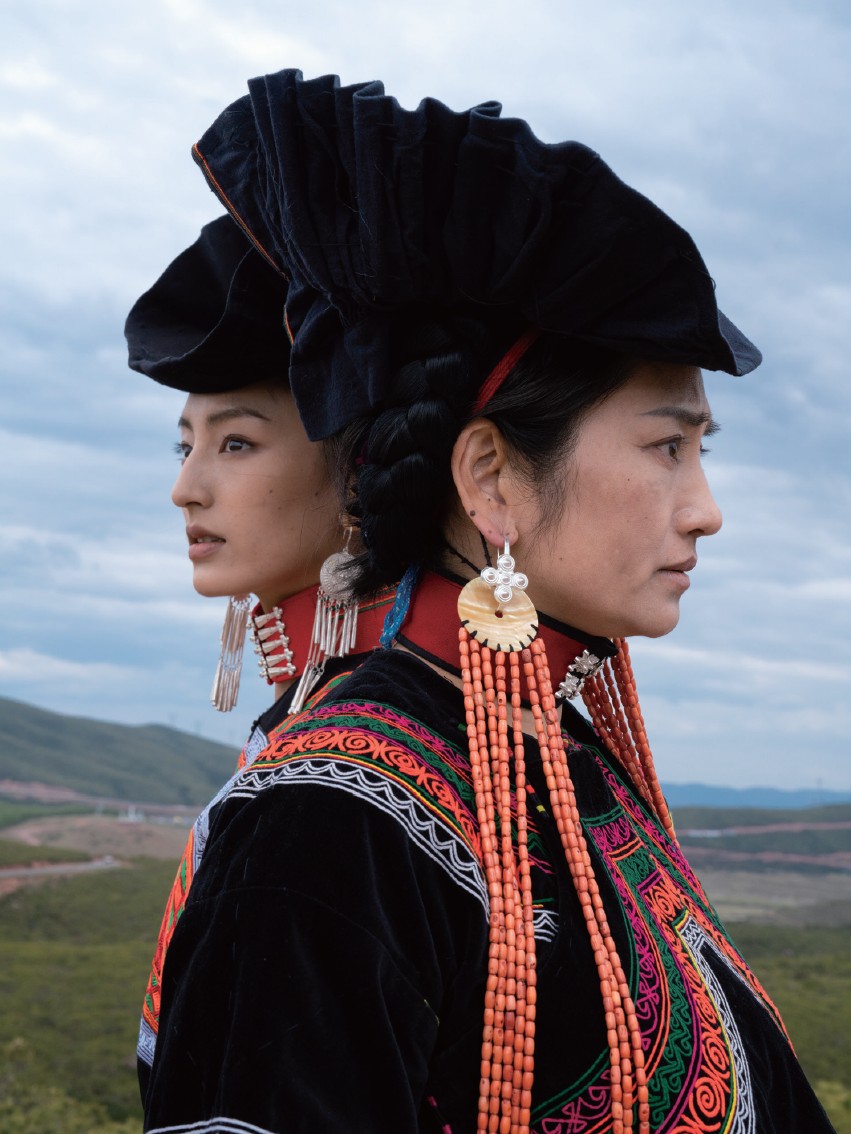
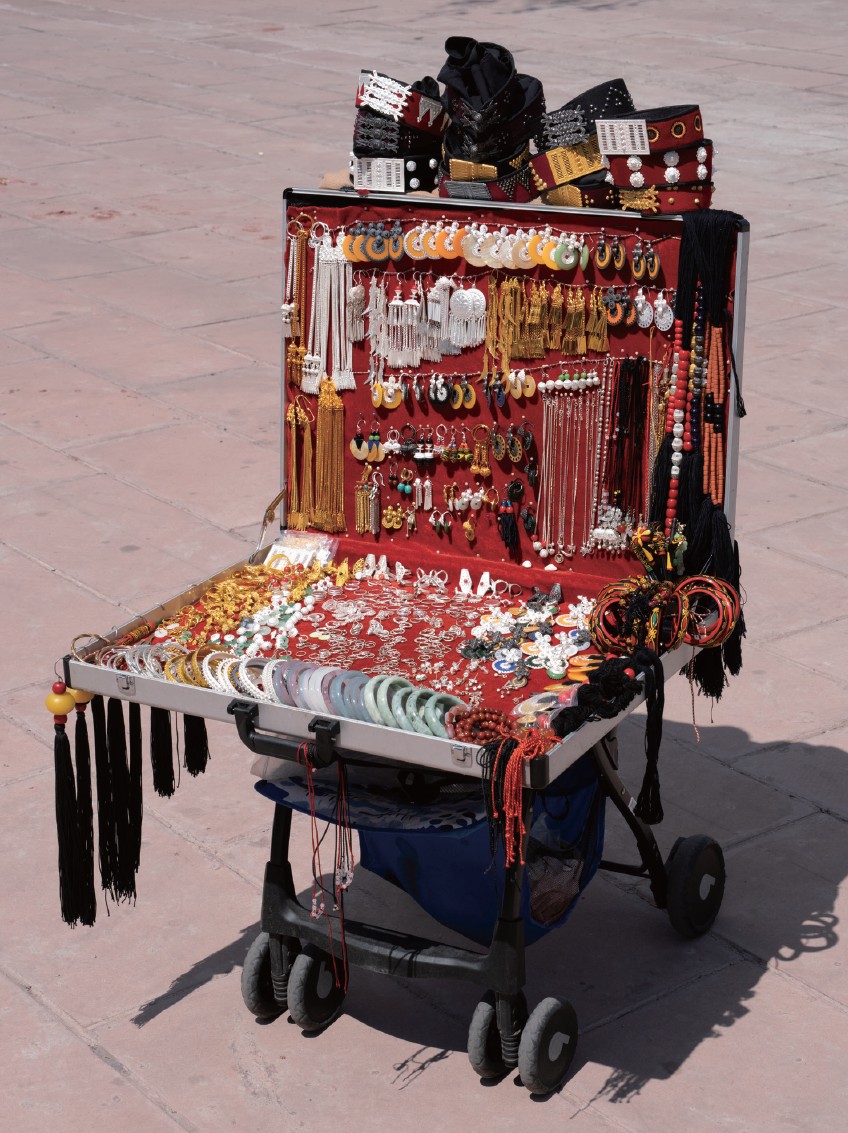
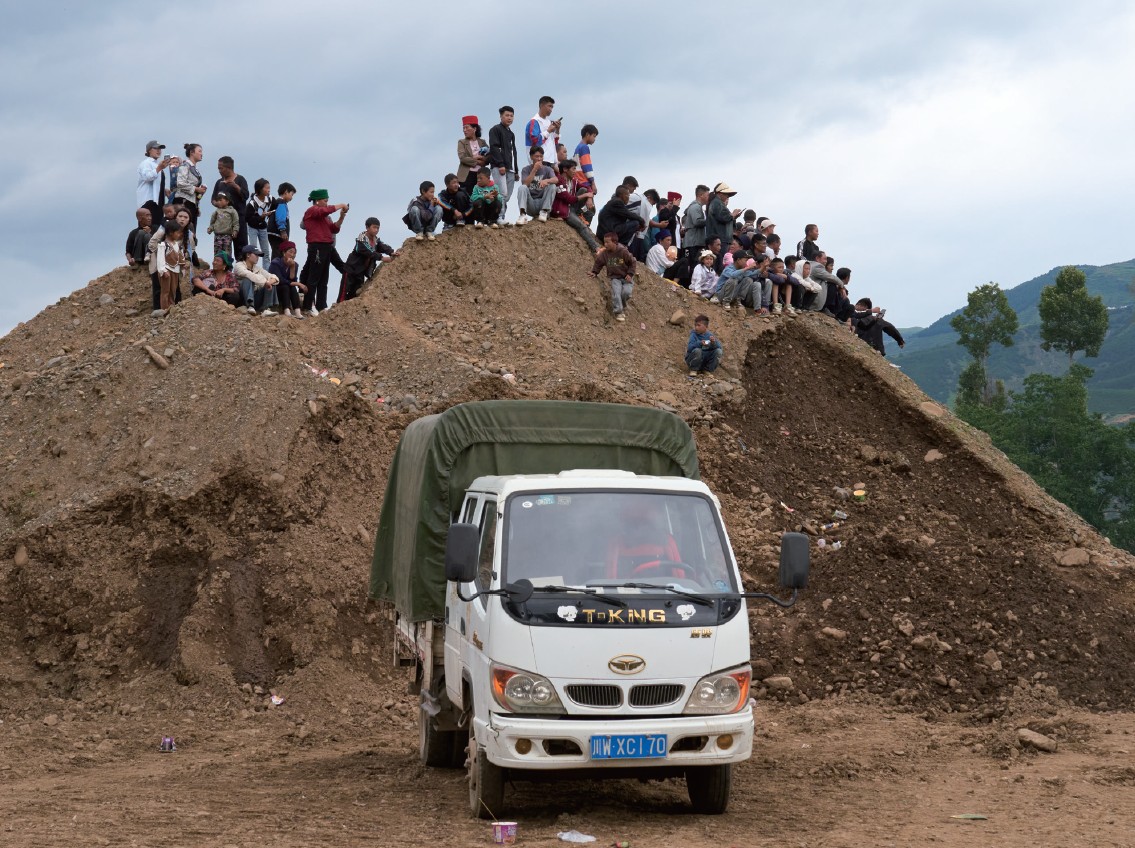
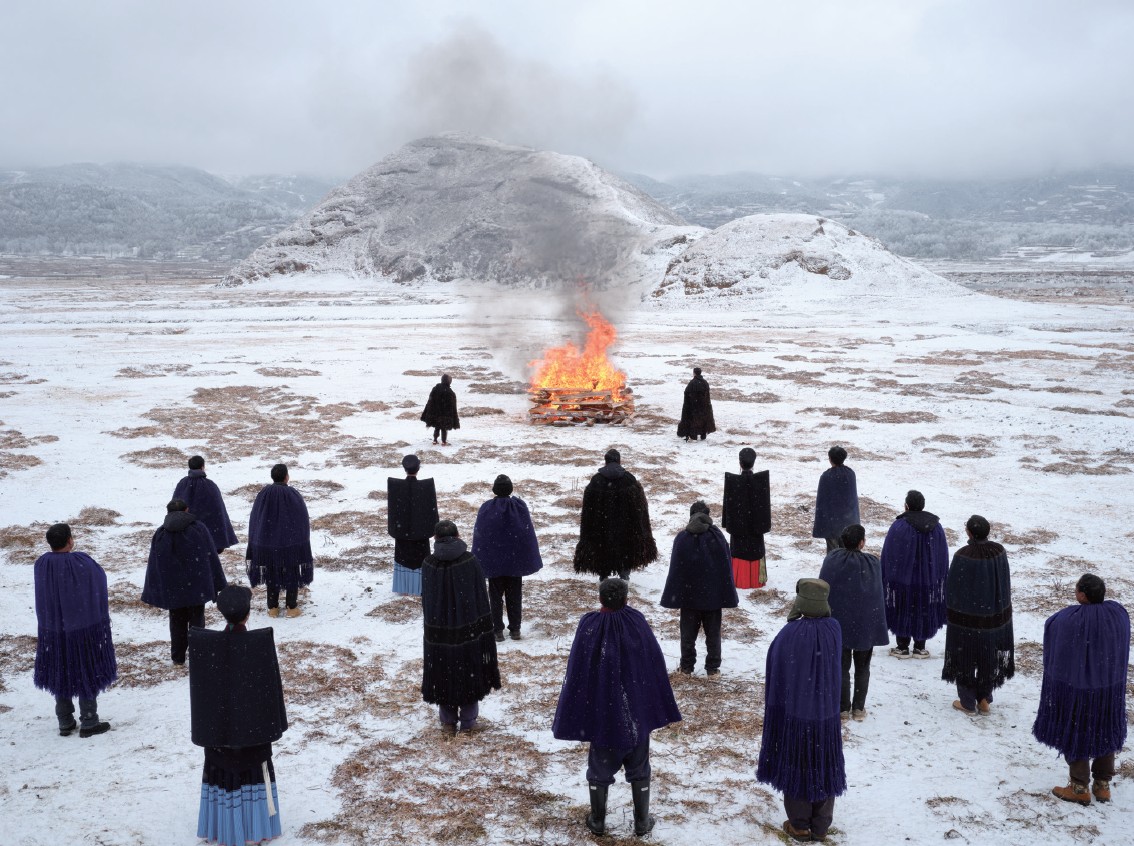
จินหยู ชิ (施金宇 - Kinguv Shi) นักศึกษาปริญญาเอก คณะภาพยนตร์และสื่อ สถาบันภาพยนตร์ปักกิ่ง สร้างชิ้นงานที่ชื่อ “แม่น้ำดำ” (Black River) เกี่ยวกับการเดินทางของบรรพบุรุษของเขา “ชาวอี๋” เพื่อขึ้นไปตั้งรกรากที่หุบเขาเหลียงซาน แต่แทนที่ศิลปินจะทำงานแนวภาพสารคดี สำรวจและสืบเสาะสิ่งที่หลงเหลือ เชื่อมโยงกลับมาถึงปัจจุบัน ศิลปินกลับเลือกที่จะสร้างเรื่องราว จริง-ลวง คู่ขนานกันไป ที่มีการเขียนสคริปต์ และสตอรี่บอร์ดราวกับถ่ายทำภาพยนตร์
มีการใช้นักแสดงและเซ็ทฉาก ทำให้ผู้เขียนนึกถึงงาน ภาพถ่าย+ศิลปะแสดงสดอย่าง Pink Man หรือ This Bloodless War ของช่างภาพร่วมสมัยชื่อดังชาวไทย มานิต ศรีวานิชภูมิ (Manit Sriwanichpoom) หรือผลงานอย่าง Red Lotus ของ กมลลักษณ์ สุขชัย (Kamonlak Sukchai) ที่เล่าเรื่องตำนานที่ถูกเขียนขึ้นมาใหม่ด้วยกระบวนการคล้ายกัน
"แม่น้ำดำ" ของ จินหยู ชิ แน่นอนว่าไม่ใช่งานภาพถ่ายสารคดีที่เข้มงวด หากกำลังพูดถึงการถ่ายทอดประวัติศาสตร์และเรื่องราวด้วยมุมมองที่เปิดกว้างศิลปินเบลอขอบเขตของศิลปะภาพถ่ายให้กินลึกเข้าไปในศิลปะสาขาอิ่น ๆ กระทั่งการชักชวนชาวบ้านชนชาติอี๋ให้มาร่วมแสดงก็เป็นการละลายขอบเขตของผู้สร้าง และผู้ชมให้เข้ามาอยู่ในปริมณฑลเดียวกัน สร้างฉากทัศน์ใหม่ของเหตุการณ์ในอดีตบนข้อมูลประวัติศาสตร์ที่เหลืออยู่อย่างกระท่อนกระแท่นในทุกวันนี้
Noises Are Quite Loud Here
การคำนึงถึงธรรมชาติไม่จำเป็นต้องเข้าไปในป่าลึกหรือพบเจอสัตว์หายากเพื่อพิสูจน์ว่าธรรมชาติที่ควรรักษาต้องมาจากสิ่งพิเศษเหล่านี้เท่านั้น หากแต่เราสามารถคำนึงถึงจากสิ่งใกล้ตัวได้ เพราะพวกมันส่งผล และอยู่กับพวกเราตั้งแต่เช้าจนถึงเข้านอน
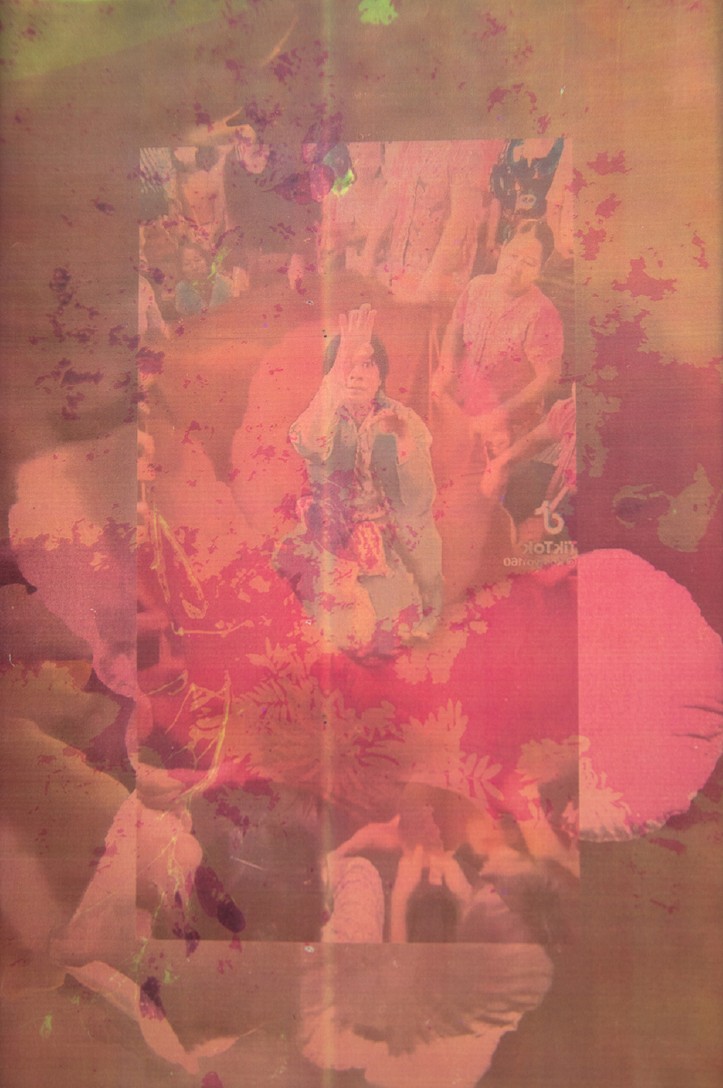
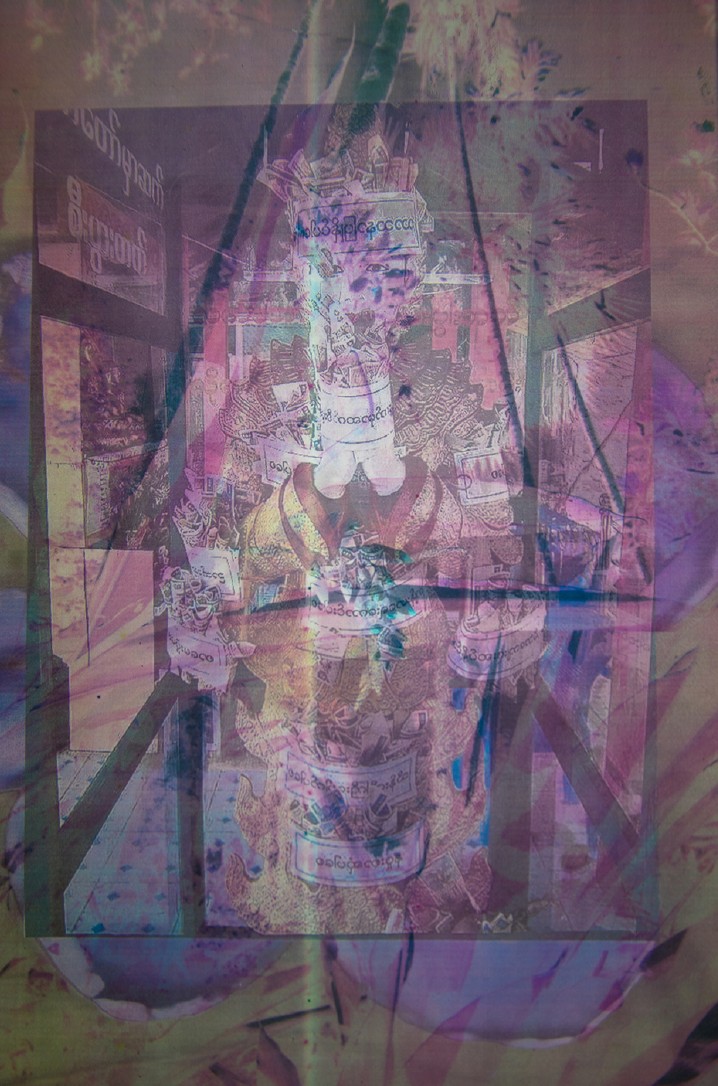
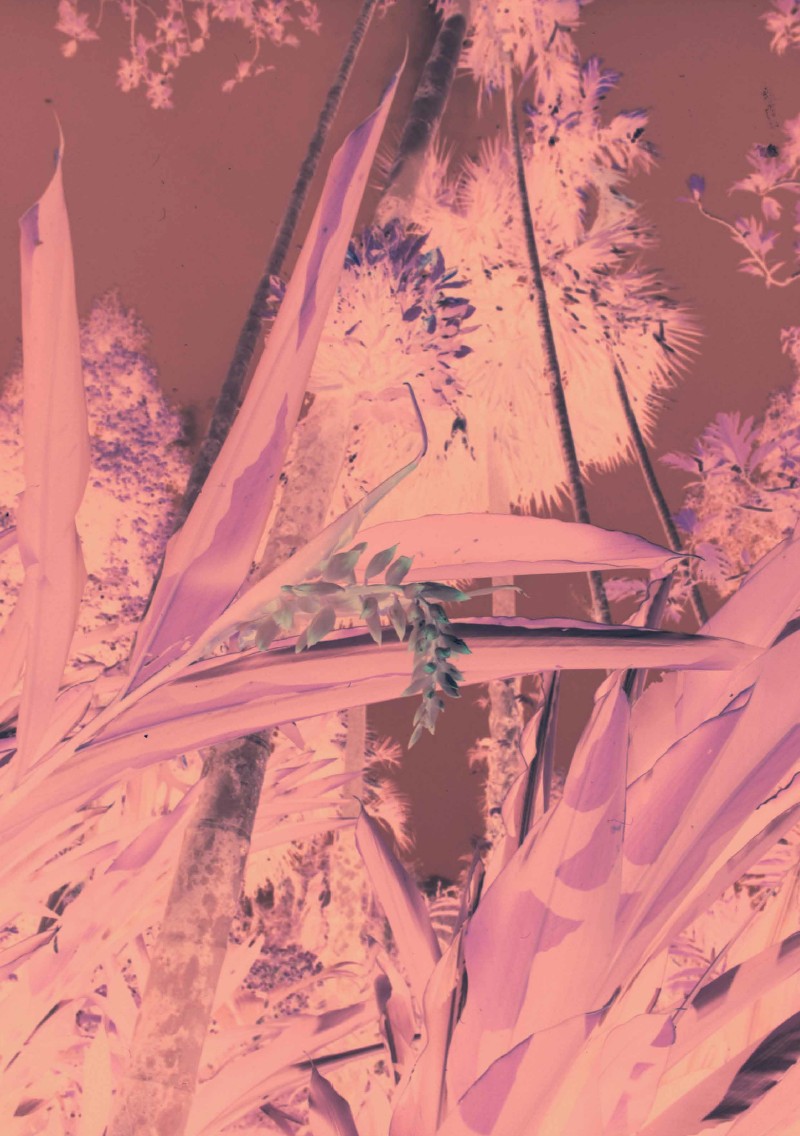
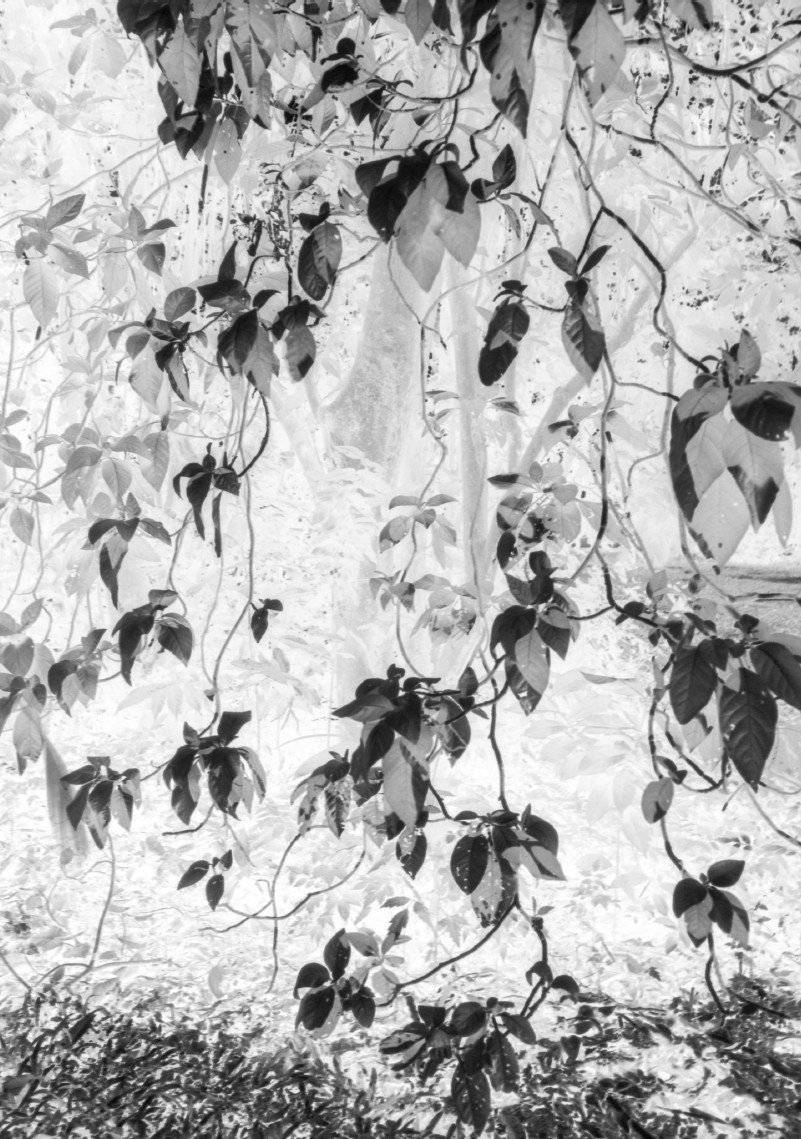
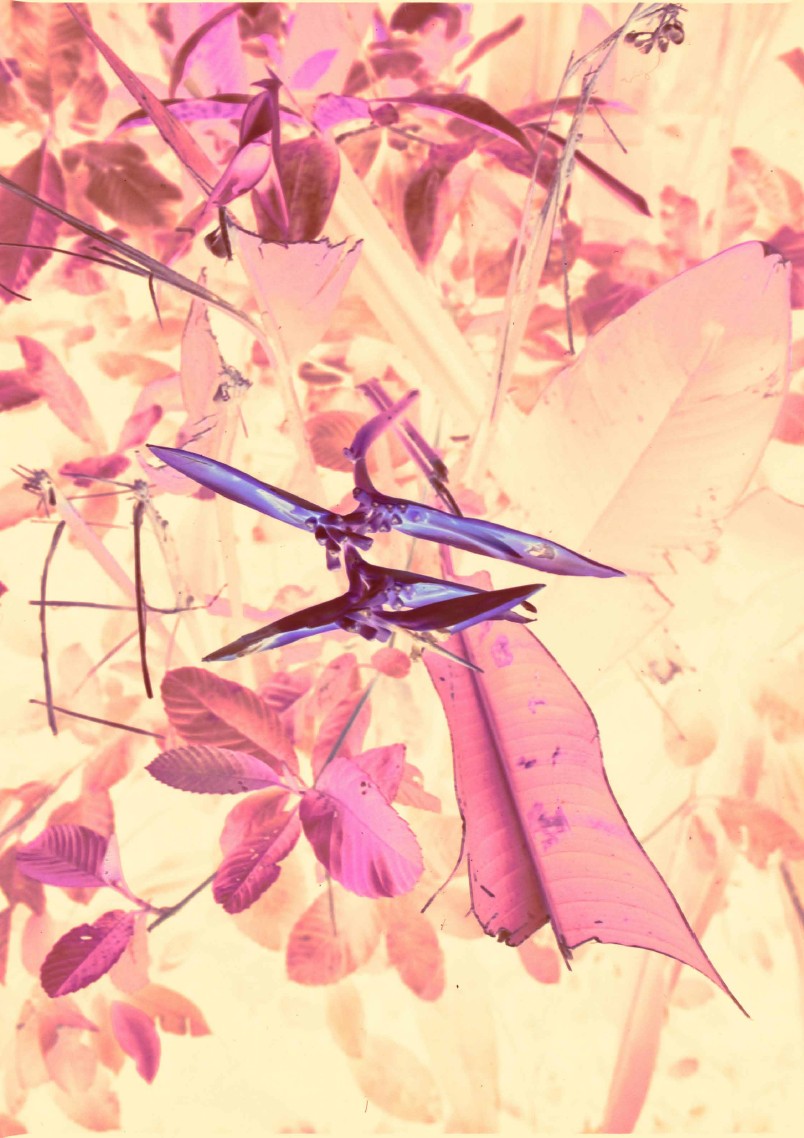
งานชื่อ Noises Are Quite Loud Here ของศิลปินชาวพม่า ชเว วุด มน (Shwe Wutt Hmon) พิสูจน์เรื่องนี้และใช้กรรมวิธีผสมผสานที่ไม่ใช่แค่การถ่ายภาพมาสื่อสารเรื่องที่กำลังเกิดขึ้นกับธรรมชาติ ไม่ว่าจะเป็นมลภาวะทางเสียง หรือฝุ่นพิษในเมืองที่ศิลปินพำนักอันส่งผลกระทบต่อผู้คนมากมายในวงกว้าง
ศิลปินใช้หลายกระบวนการ เช่น นำเสียงรบกวนที่บันทึกได้มาประกอบกับวีดีโอ จัดแสดงพร้อมกับภาพถ่ายในนิทรรศการที่ชื่อ Noises Are Too Close Here ที่มีแนวคิดเดียวกันกับนิทรรศการที่สิบสองปันนา จัดขึ้นที่ Thailand Biennale Chiang Rai 2023 (น่าเสียดายที่ไม่ได้ชมที่สิบสองปันนาเนื่องจากข้อจำกัดของสถานที่)
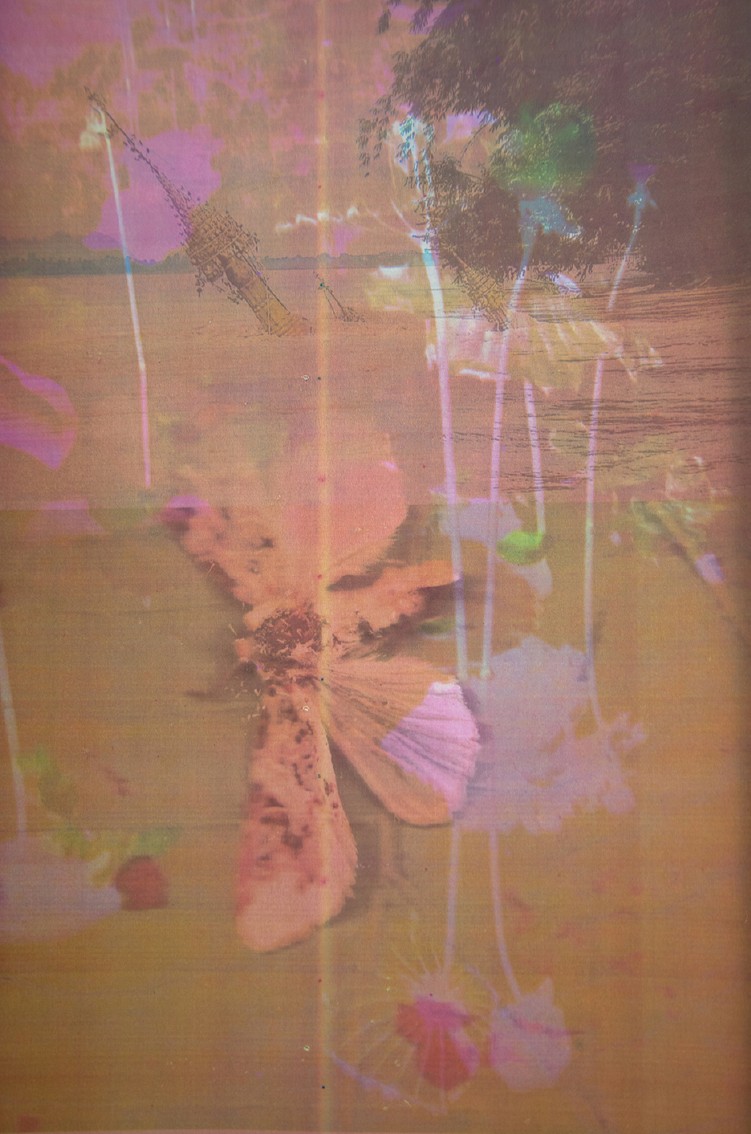
ดอกไม้ ใบไม้ หรือแมลงที่ตายแล้วซึ่งเก็บได้ที่สวนแห่งหนึ่งในกรุงกัวลาลัมเปอร์ ชเวนำมาถ่ายภาพแบบอนาล็อก และเพิ่มชั้นด้วยการสแกนเอกสารที่เกี่ยวข้องกับความเสื่อมโทรมของสภาพแวดล้อมเข้าไปด้วย ทำให้งานมีความหลากหลายทางด้านภาพสูง จนสามารถสื่อถึงความโกลาหลของวัตถุ และข้อมูลที่ทับถมกันอย่างน่ากระอักกระอ่วนใจ
Noises Are Quite Loud Here จึงไม่ใช่แค่การแสดงออกด้านภาพและกระบวนการที่หวือหวาเท่านั้น แต่ศิลปินคัดลอกความวิบัติที่กำลังเกิดขึ้นทีละเล็กละน้อยรอบตัวของทุกคน ไม่ต่างจาก PM 2.5 ที่พัดผ่านเข้าไปในโพรงจมูกขณะที่พวกเราใช้ชีวิตอย่างสงบสุข โดยไม่รู้สึกถึงโรคร้ายที่กำลังก่อตัว และกัดกินอยู่เงียบ ๆ ในร่างกายของพวกเรา
งานชุดภาพถ่ายที่นำมามีสองชาติคือ จีน และพม่า การทำงานของพวกเขาแตกต่างกัน หากจุดร่วมของทัังคู่คือ กระบวนการเล่าเรื่องที่ไม่ปกติ สองงานนี้เป็นสองงานที่ต่างออกไปจากแนวโน้มหลักของทั้งเทศกาลที่เป็นภาพถ่ายสารคดีที่เข้มข้นตรงไปตรงมา หากทั้งคู่ที่กำลังกล่าวถึงนี้ดันศิลปะภาพถ่ายให้เกยทับไปบนสื่ออื่นอย่างมีนัยสำคัญ ทัังการใช้เทคโนโลยีมาผนวกกับเทคนิคเก่า หรือการจัดฉากแสดงและเล่าเรื่องอย่างพิศดาร ซึ่งเป็นวิธีที่ศิลปินภาพถ่ายร่วมสมัยนิยมใช้กัน
Black River
การสร้างเรื่องราวจำลองบนศิลปะภาพถ่าย เป็นกระบวนวิธีหนึ่งที่น่าสนใจ ดูแล้วอาจเหมือนภาพยนตร์ หากความนิ่ง (stillness) ของภาพถ่ายทำให้เกิดพื้นที่ร่วมกันระหว่าง ชิ้นงานศิลปะ—ผู้ชม—ความจริง ในพื้นที่ว่างเปล่านั้น อาจเป็นได้ทั้งความจริงที่ตรงไปตรงมาตามหลักฐานที่ปรากฏ หรือความจริงใหม่ที่เตลิดออกไปไกลกว่าความเป็นชิ้นงานของศิลปิน และไกลเกินกว่าความจริงแท้ด้วย
จินหยู ชิ (施金宇 - Kinguv Shi) นักศึกษาปริญญาเอก คณะภาพยนตร์และสื่อ สถาบันภาพยนตร์ปักกิ่ง สร้างชิ้นงานที่ชื่อ “แม่น้ำดำ” (Black River) เกี่ยวกับการเดินทางของบรรพบุรุษของเขา “ชาวอี๋” เพื่อขึ้นไปตั้งรกรากที่หุบเขาเหลียงซาน แต่แทนที่ศิลปินจะทำงานแนวภาพสารคดี สำรวจและสืบเสาะสิ่งที่หลงเหลือ เชื่อมโยงกลับมาถึงปัจจุบัน ศิลปินกลับเลือกที่จะสร้างเรื่องราว จริง-ลวง คู่ขนานกันไป ที่มีการเขียนสคริปต์ และสตอรี่บอร์ดราวกับถ่ายทำภาพยนตร์
มีการใช้นักแสดงและเซ็ทฉาก ทำให้ผู้เขียนนึกถึงงาน ภาพถ่าย+ศิลปะแสดงสดอย่าง Pink Man หรือ This Bloodless War ของช่างภาพร่วมสมัยชื่อดังชาวไทย มานิต ศรีวานิชภูมิ (Manit Sriwanichpoom) หรือผลงานอย่าง Red Lotus ของ กมลลักษณ์ สุขชัย (Kamonlak Sukchai) ที่เล่าเรื่องตำนานที่ถูกเขียนขึ้นมาใหม่ด้วยกระบวนการคล้ายกัน
"แม่น้ำดำ" ของ จินหยู ชิ แน่นอนว่าไม่ใช่งานภาพถ่ายสารคดีที่เข้มงวด หากกำลังพูดถึงการถ่ายทอดประวัติศาสตร์และเรื่องราวด้วยมุมมองที่เปิดกว้างศิลปินเบลอขอบเขตของศิลปะภาพถ่ายให้กินลึกเข้าไปในศิลปะสาขาอิ่น ๆ กระทั่งการชักชวนชาวบ้านชนชาติอี๋ให้มาร่วมแสดงก็เป็นการละลายขอบเขตของผู้สร้าง และผู้ชมให้เข้ามาอยู่ในปริมณฑลเดียวกัน สร้างฉากทัศน์ใหม่ของเหตุการณ์ในอดีตบนข้อมูลประวัติศาสตร์ที่เหลืออยู่อย่างกระท่อนกระแท่นในทุกวันนี้
Noises Are Quite Loud Here
การคำนึงถึงธรรมชาติไม่จำเป็นต้องเข้าไปในป่าลึกหรือพบเจอสัตว์หายากเพื่อพิสูจน์ว่าธรรมชาติที่ควรรักษาต้องมาจากสิ่งพิเศษเหล่านี้เท่านั้น หากแต่เราสามารถคำนึงถึงจากสิ่งใกล้ตัวได้ เพราะพวกมันส่งผล และอยู่กับพวกเราตั้งแต่เช้าจนถึงเข้านอน
งานชื่อ Noises Are Quite Loud Here ของศิลปินชาวพม่า ชเว วุด มน (Shwe Wutt Hmon) พิสูจน์เรื่องนี้และใช้กรรมวิธีผสมผสานที่ไม่ใช่แค่การถ่ายภาพมาสื่อสารเรื่องที่กำลังเกิดขึ้นกับธรรมชาติ ไม่ว่าจะเป็นมลภาวะทางเสียง หรือฝุ่นพิษในเมืองที่ศิลปินพำนักอันส่งผลกระทบต่อผู้คนมากมายในวงกว้าง
ศิลปินใช้หลายกระบวนการ เช่น นำเสียงรบกวนที่บันทึกได้มาประกอบกับวีดีโอ จัดแสดงพร้อมกับภาพถ่ายในนิทรรศการที่ชื่อ Noises Are Too Close Here ที่มีแนวคิดเดียวกันกับนิทรรศการที่สิบสองปันนา จัดขึ้นที่ Thailand Biennale Chiang Rai 2023 (น่าเสียดายที่ไม่ได้ชมที่สิบสองปันนาเนื่องจากข้อจำกัดของสถานที่)
ดอกไม้ ใบไม้ หรือแมลงที่ตายแล้วซึ่งเก็บได้ที่สวนแห่งหนึ่งในกรุงกัวลาลัมเปอร์ ชเวนำมาถ่ายภาพแบบอนาล็อก และเพิ่มชั้นด้วยการสแกนเอกสารที่เกี่ยวข้องกับความเสื่อมโทรมของสภาพแวดล้อมเข้าไปด้วย ทำให้งานมีความหลากหลายทางด้านภาพสูง จนสามารถสื่อถึงความโกลาหลของวัตถุ และข้อมูลที่ทับถมกันอย่างน่ากระอักกระอ่วนใจ
Noises Are Quite Loud Here จึงไม่ใช่แค่การแสดงออกด้านภาพและกระบวนการที่หวือหวาเท่านั้น แต่ศิลปินคัดลอกความวิบัติที่กำลังเกิดขึ้นทีละเล็กละน้อยรอบตัวของทุกคน ไม่ต่างจาก PM 2.5 ที่พัดผ่านเข้าไปในโพรงจมูกขณะที่พวกเราใช้ชีวิตอย่างสงบสุข โดยไม่รู้สึกถึงโรคร้ายที่กำลังก่อตัว และกัดกินอยู่เงียบ ๆ ในร่างกายของพวกเรา
♦ ♦ ♦
At the Xishuangbanna Photo Festival, the festival invited the jury panel to vote on the exhibited works. Serving in my capacity as a curator on the panel, some artists received various awards, while the artists I voted for will be discussed through a written piece. I would like to share this writing to help promote these artists and offer a look into the works of our neighboring countries, rather than focusing solely on our own.
The featured photo series come from two countries: China and Myanmar. Although their approaches differ, their common ground lies in an unconventional storytelling process. Both works diverge from the festival's primary trend of intense and straightforward documentary photography. Instead, these two projects significantly push photographic art to overlap with other mediums, whether by combining technology with traditional techniques or through elaborate staging and unusual storytelling, which are methods frequently used by contemporary photo artists.
Black River
Creating fictionalized narratives in photographic art is an interesting method. It might look cinematic, but the stillness of photography creates a shared space among artwork—viewer— reality. In that empty space, it can be a straightforward truth based on visible evidence, or a new truth that goes far beyond the artist's work and even beyond the absolute truth itself.
Kinguv Shi (施金宇), a PhD student at the School of Film and Media, Beijing Film Academy, created a project titled “Black River” about the journey of his ancestors, the Yi people, to settle in the Liangshan mountains. But instead of doing traditional documentary photography to explore what remains and connect it to the present, he chose to create a parallel story of truth and fiction, using scripts and storyboards just like making a movie.
The project uses actors and set designs, which makes me think of the mix of photography and performance art in works like “Pink Man” or “This Bloodless War” by the renowned Thai contemporary photographer Manit Sriwanichpoom, or Kamonlak Sukchai's “Red Lotus”, which tells a newly rewritten myth using a similar process.
Black River by Kinguv Shi is certainly not strict documentary photography. Rather, it is about passing down history and stories through an open perspective. The artist blurs the boundaries of photography, extending it deep into other artistic fields. Even inviting local Yi villagers to act in the project dissolves the boundary between the artist and the audience, pulling them into the same space. This creates a new vision of past events based on the fragmented historical information we have left today.
Noises Are Quite Loud Here
Valuing nature does not require us to travel into deep forests or encounter rare animals just to prove that the environment worth preserving must come from these extraordinary things. Instead, we can simply consider the things close to us, as they affect our lives and stay with us from morning until we go to sleep.
“Noises Are Quite Loud Here” by Burmese artist Shwe Wutt Hmon proves this idea by using a mixed-media approach rather than just traditional photography to communicate what is currently happening to nature, such as the noise pollution and toxic dust in her city that broadly affect many people.
Shwe uses various processes, such as combining recorded sounds with video and displaying them alongside photographs in an exhibition titled Noises Are Too Close Here, which shares the same concept as the exhibition in Xishuangbanna presented at the Thailand Biennale Chiang Rai 2023 (though unfortunately I could not see the version in Xishuangbanna due to venue constraints).
Flowers, leaves, or dead insects gathered from a garden in Kuala Lumpur are photographed using analog methods and layered with scanned documents related to environmental degradation, bringing high visual diversity to the work and successfully conveying the unsettling chaos of overlapping objects and data.
Therefore, Noises Are Quite Loud Here is not just about striking visuals and creative processes. Shwe is replicating the slow disasters that are gradually happening around all of us, no different from the PM 2.5 dust that flows into our noses while we live peacefully, leaving us unaware of the deadly diseases quietly forming and consuming our bodies from the inside.
© CTypeMag 2016 - 2026

