

Insect in the Moon
October 25, 2026
Perhaps the world has never changed—only the distance from which we choose to look.
For more than a decade, I have returned night after night to places illuminated by artificial light, observing and photographing the insects that gather around it. What first appeared to be an ordinary scene gradually revealed itself as something far more complex—a fragile ecosystem contained within a circle of light.
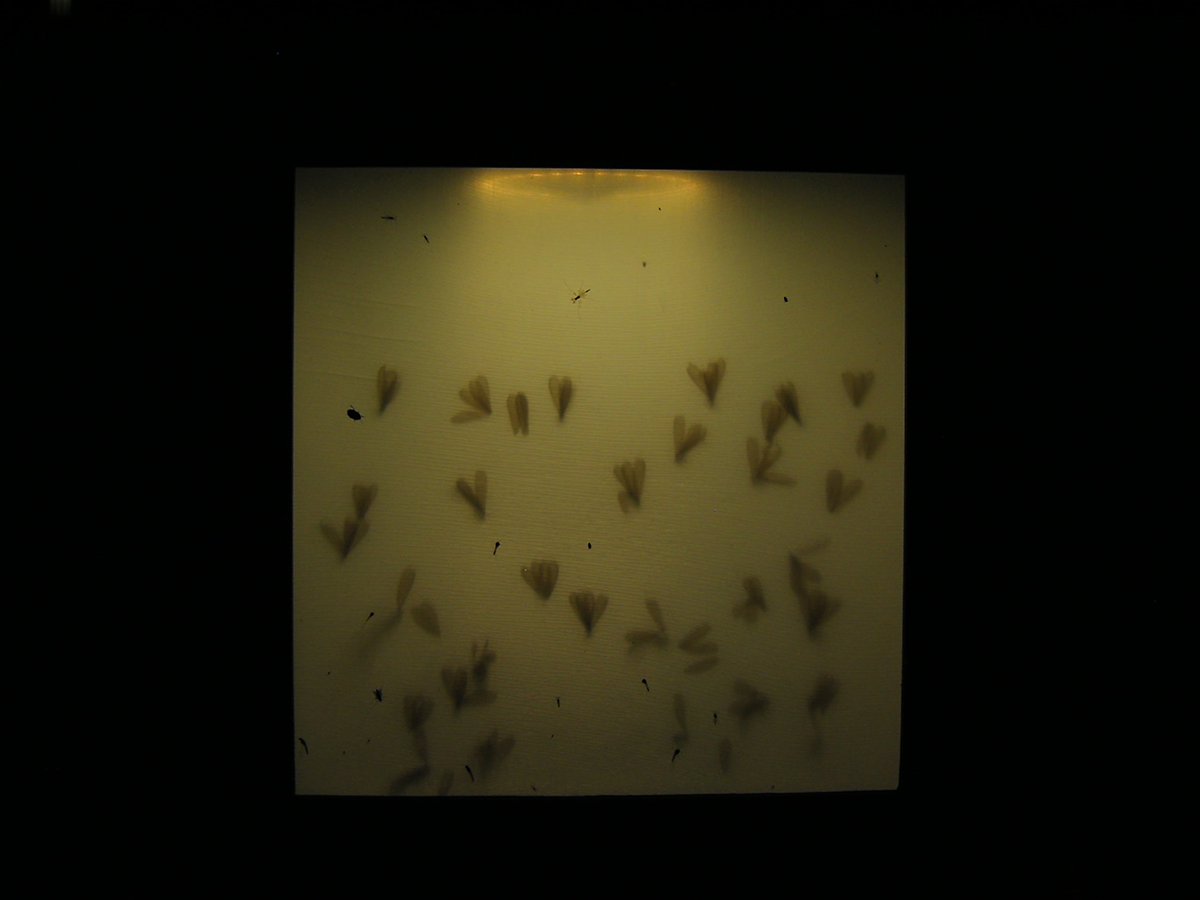
Countless insects repeat the same ancient cycle, orbiting artificial suns created by humans. Their movements appear chaotic yet strangely ordered, forming temporary constellations before disappearing into darkness. As climate change reshapes ecosystems and new species continue to emerge, these nightly gatherings become quiet evidence of a world in constant transformation. While our environment changes at an accelerating pace, this ritual persists.
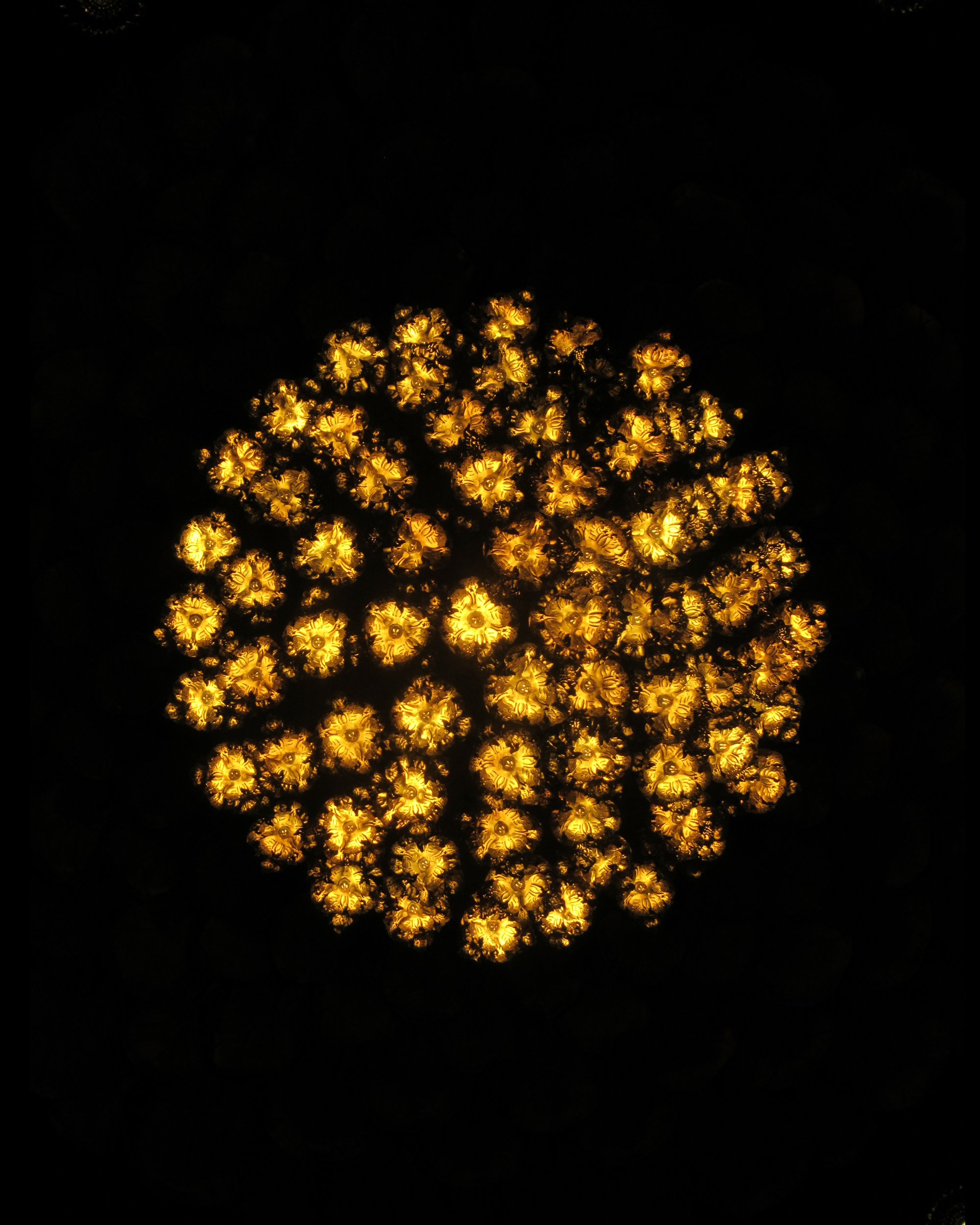
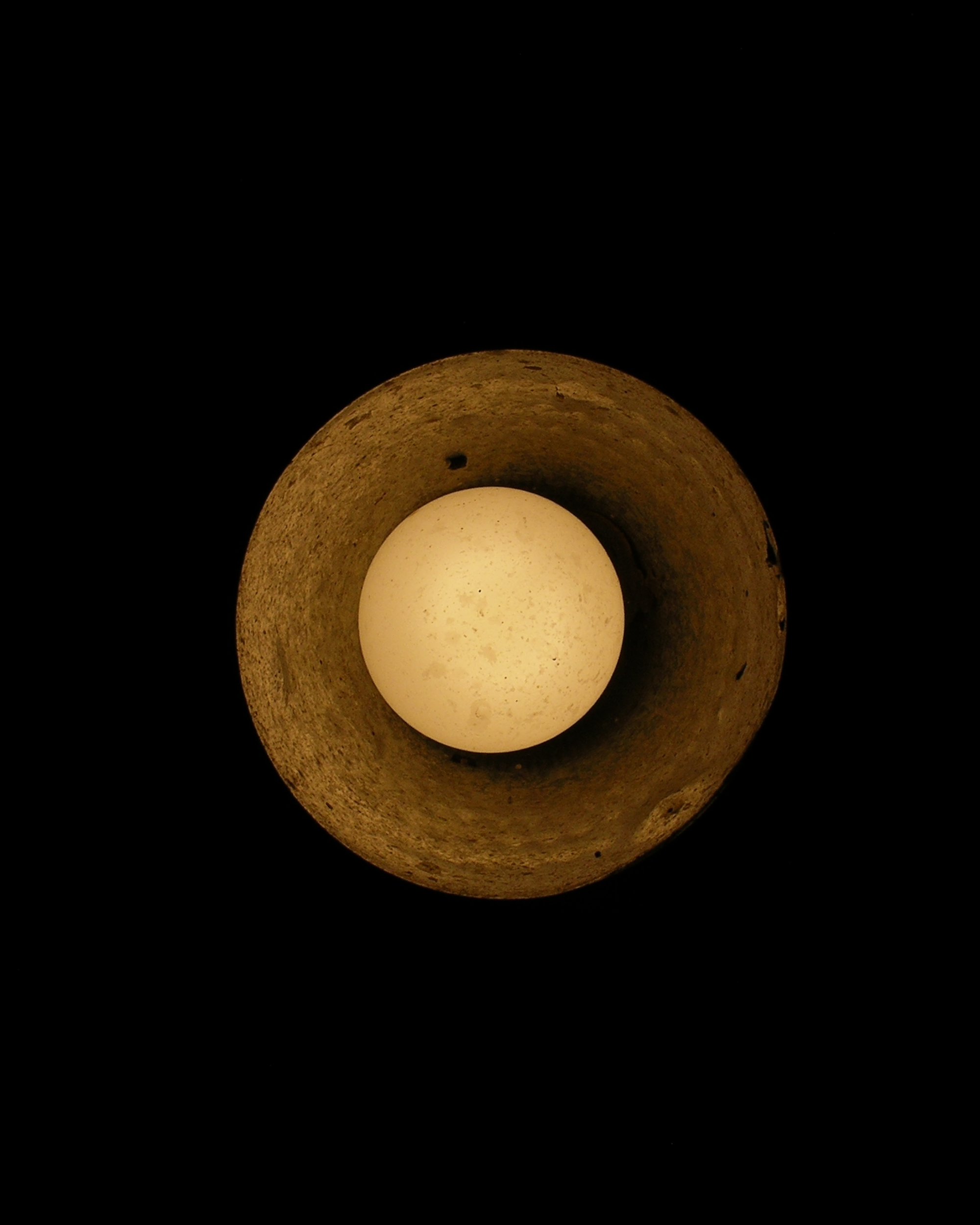
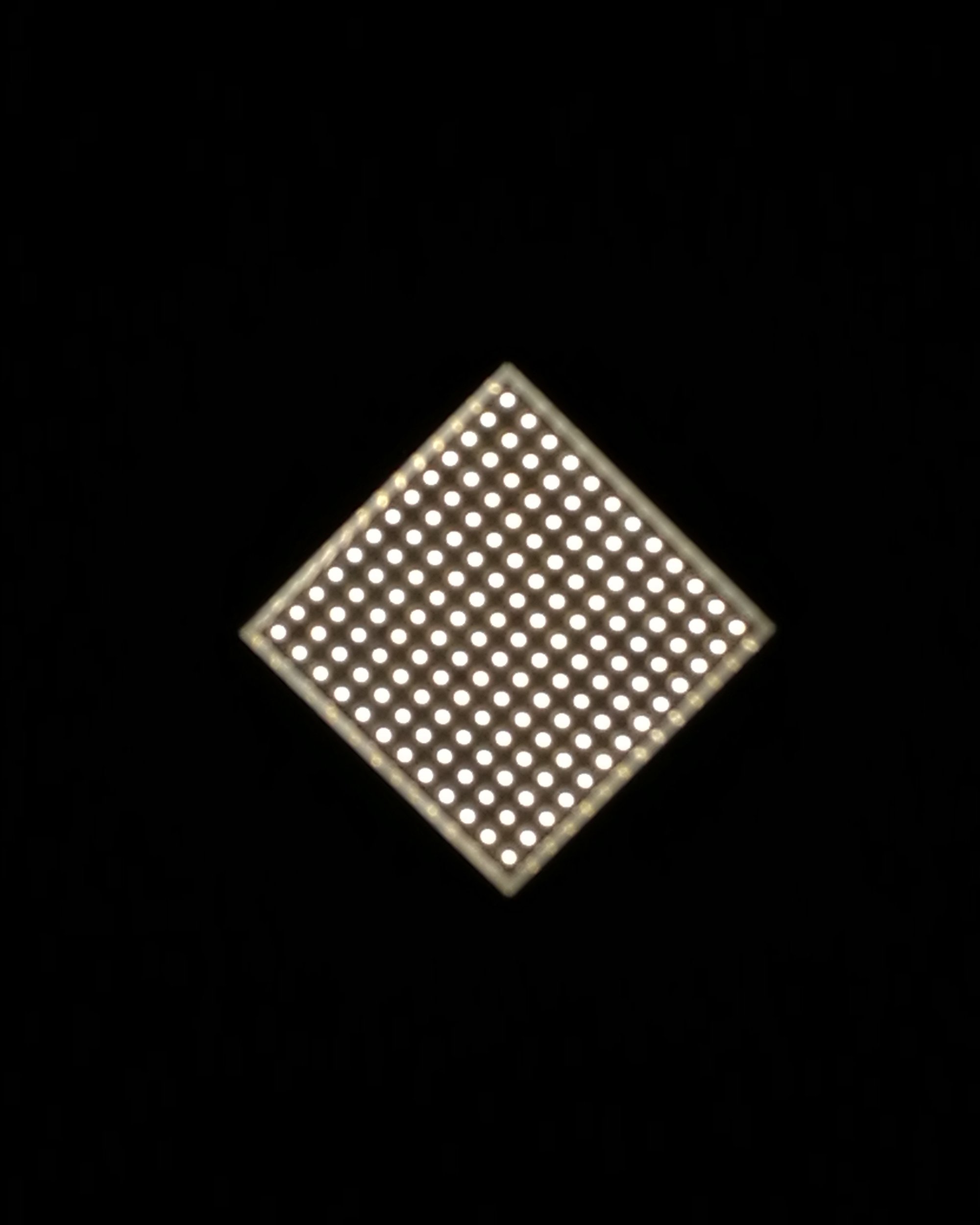
By isolating these scenes from their familiar surroundings, scale and distance begin to collapse. The illuminated surface no longer reads as a light bulb, a wall, or a window. Instead, it resembles a moon, a planet, or an unknown celestial body. The insects do not become stars; rather, our perception shifts until the ordinary can no longer be recognized with certainty.
Insect in the Moon is not about outer space. It is about the unnoticed universe that exists within everyday life—a reminder that the boundary between the microscopic and the cosmic is often determined not by reality itself, but by the way we choose to see it.
Perhaps the world has never changed—only the distance from which we choose to look.
Anecha Sukkasem - @anechill
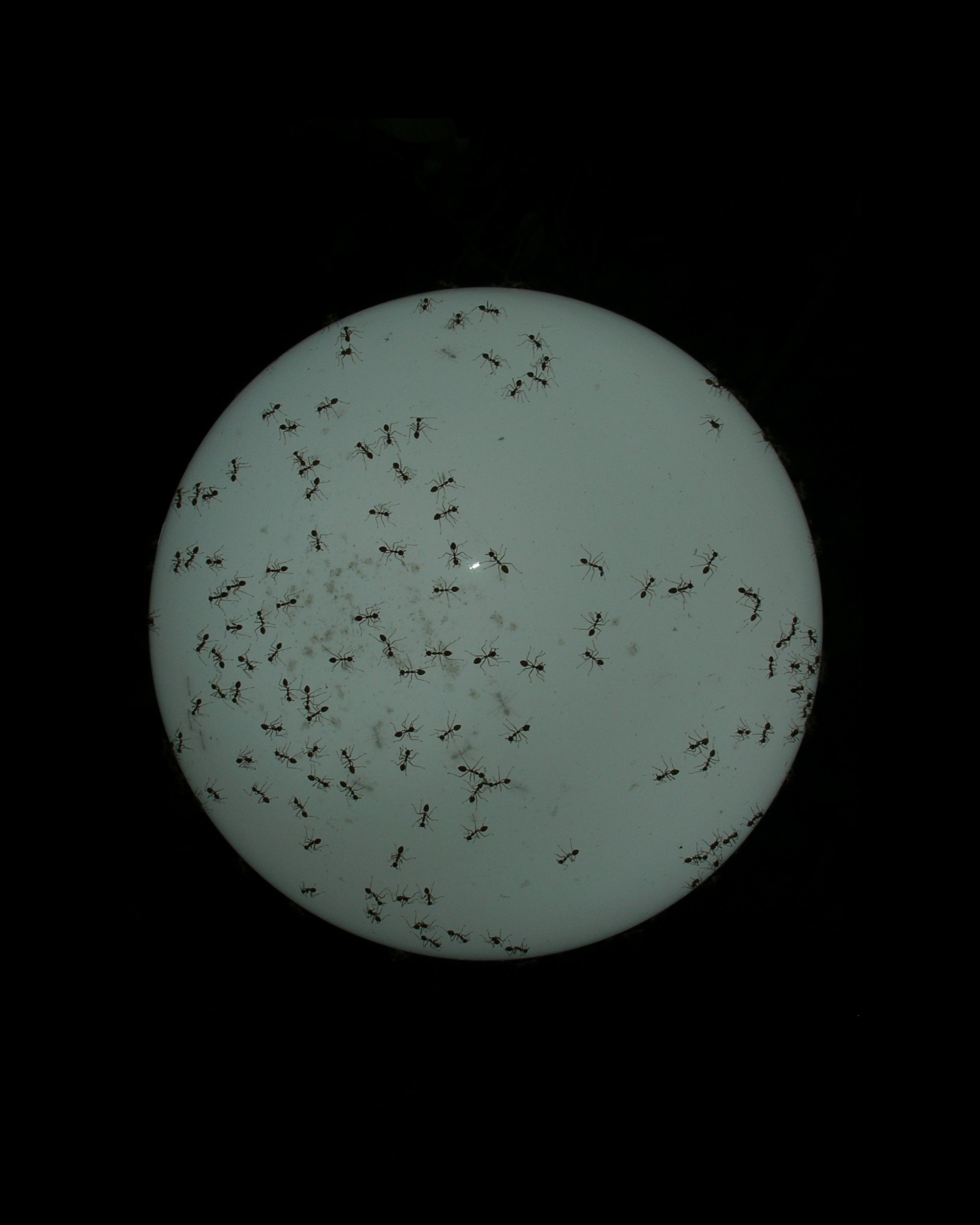
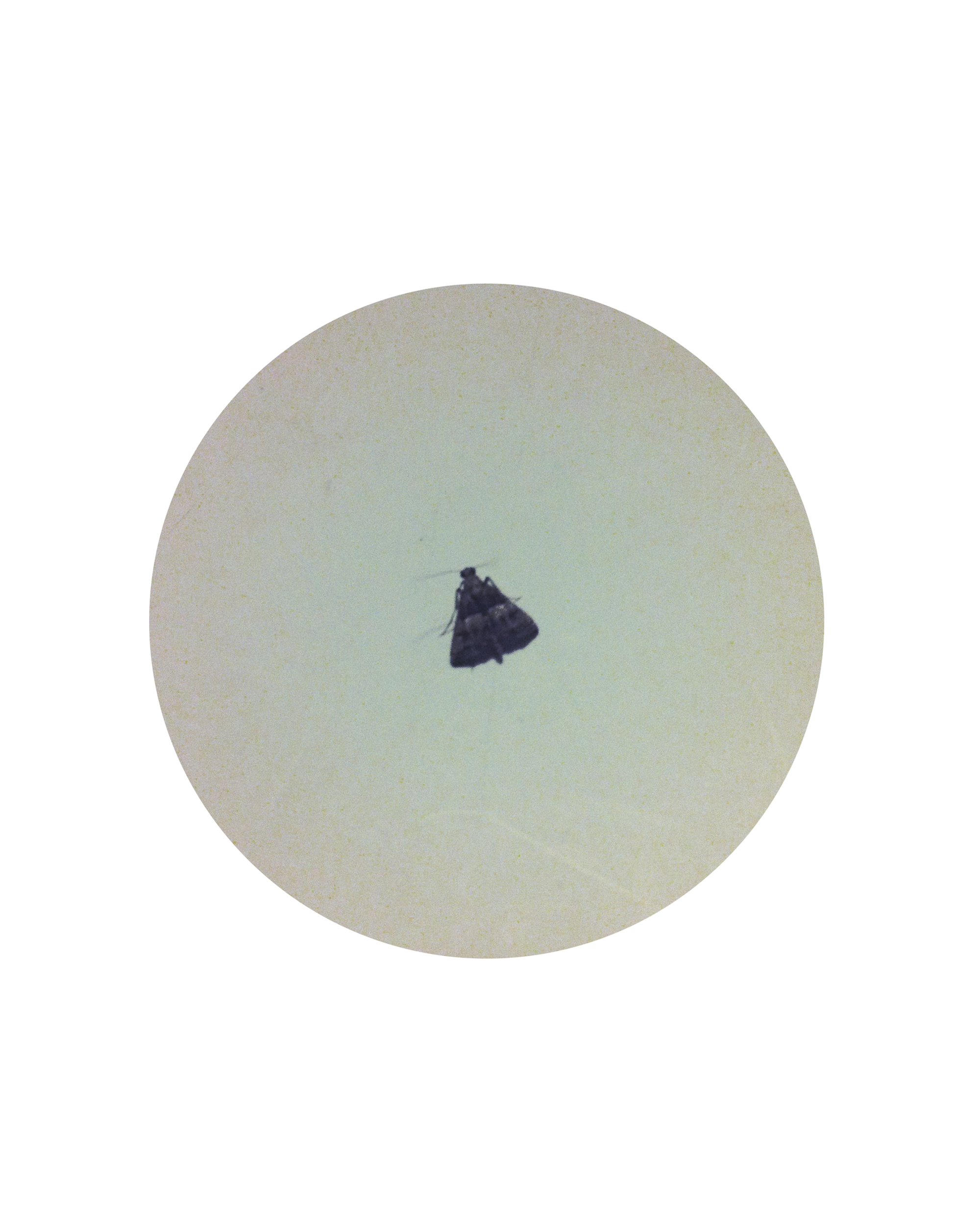
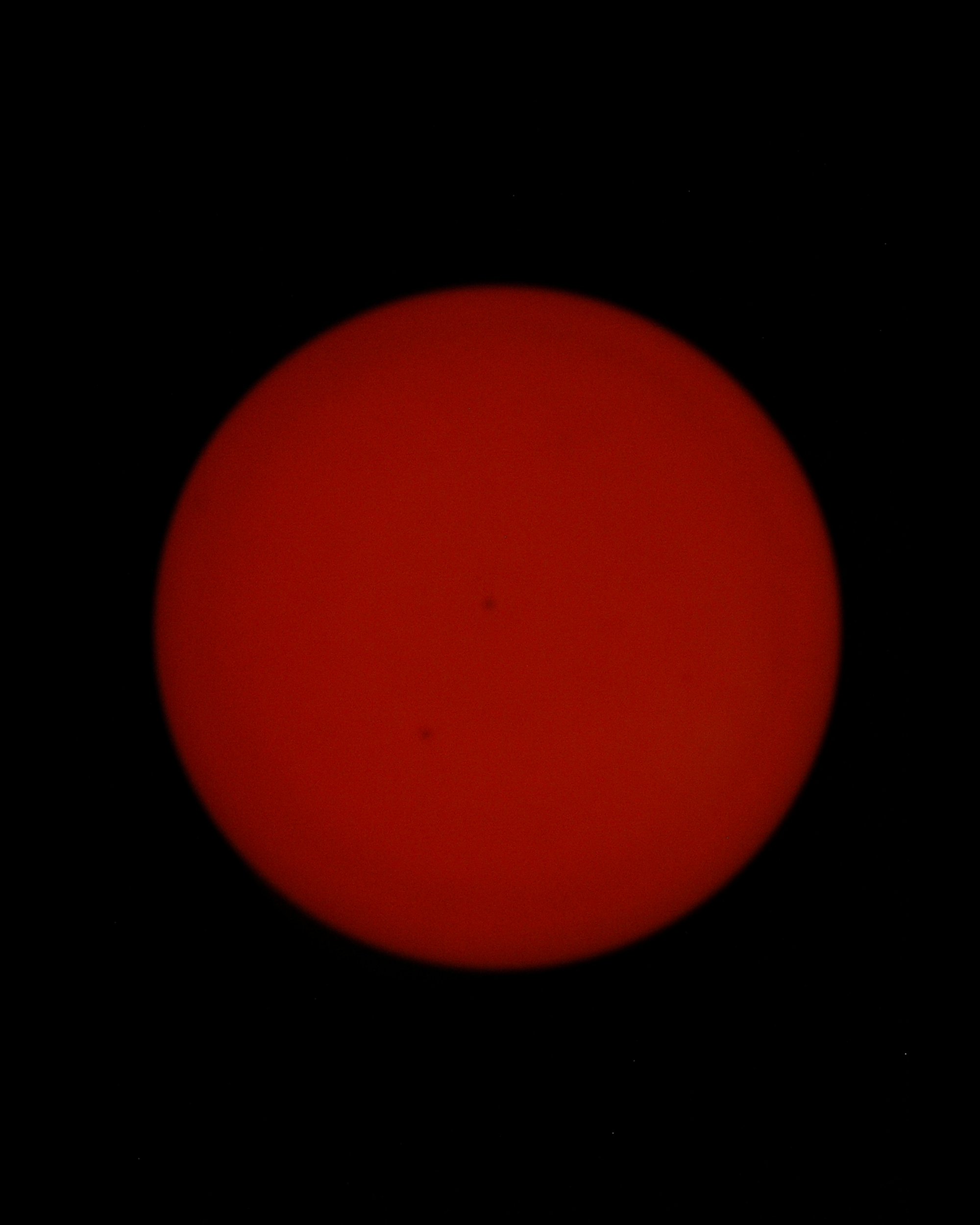
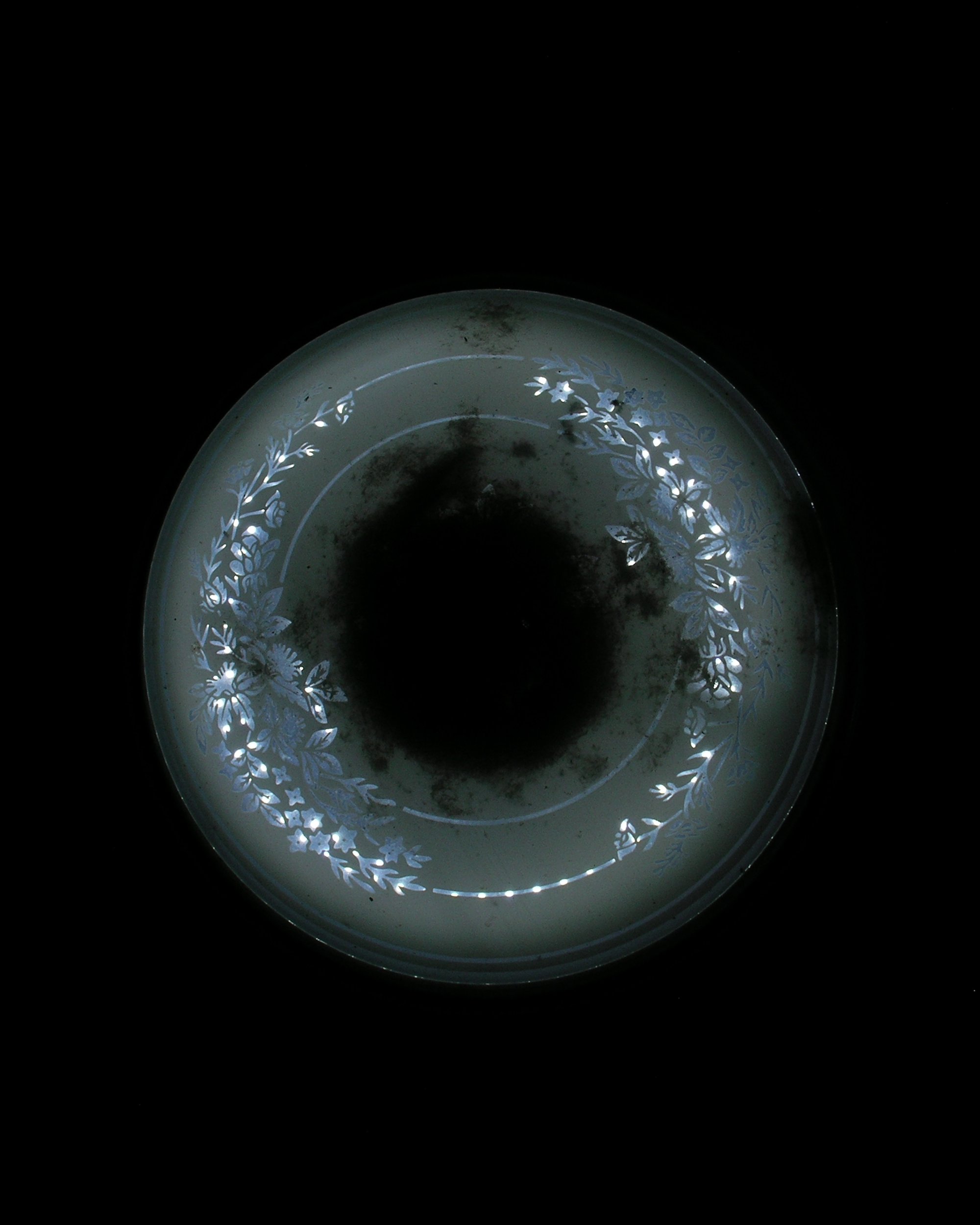
For more than a decade, I have returned night after night to places illuminated by artificial light, observing and photographing the insects that gather around it. What first appeared to be an ordinary scene gradually revealed itself as something far more complex—a fragile ecosystem contained within a circle of light.
Countless insects repeat the same ancient cycle, orbiting artificial suns created by humans. Their movements appear chaotic yet strangely ordered, forming temporary constellations before disappearing into darkness. As climate change reshapes ecosystems and new species continue to emerge, these nightly gatherings become quiet evidence of a world in constant transformation. While our environment changes at an accelerating pace, this ritual persists.
By isolating these scenes from their familiar surroundings, scale and distance begin to collapse. The illuminated surface no longer reads as a light bulb, a wall, or a window. Instead, it resembles a moon, a planet, or an unknown celestial body. The insects do not become stars; rather, our perception shifts until the ordinary can no longer be recognized with certainty.
Insect in the Moon is not about outer space. It is about the unnoticed universe that exists within everyday life—a reminder that the boundary between the microscopic and the cosmic is often determined not by reality itself, but by the way we choose to see it.
Perhaps the world has never changed—only the distance from which we choose to look.
Anecha Sukkasem - @anechill
© CTypeMag 2016 - 2026

