

2026 Xishuangbanna
July 17, 2026
ปกติเทศกาลภาพถ่ายสิบสองปันนา (Xishuangbanna Photo Festival) จะมีหัวข้อค่อนข้างกว้าง คือ ชีวิตที่เป็นหนึ่งเดียวกับแม่น้ำสายใหญ่ (One Great River) ซึ่งปี 2025 ก็เป็นหัวข้อนี้ งานที่ผมนำไปจัดแสดงในปีนั้นมีบรรยากาศของสายน้ำอยู่บ้าง แต่อาจไม่ได้ตรงไปตรงมากับหัวข้อสักเท่าไรนัก เพราะต้องการขยายขอบเขตของมันให้ไกลออกไป แต่ก็ยังมีกลิ่นอายของผู้คน และสายน้ำอยู่ เช่น งานของเจมส์ อัษฎางค์ สัตสดี (Audsadang Satsadee) ที่ชื่อ Living on the Cloud ที่เป็นเรื่องของผู้ใช้แรงงานในเมืองใหญ่ใช้เวลาพักผ่อนยามว่าง โดยรวมแม้ไม่ได้ตรงกับสายน้ำ แต่หากคือการใช้ชีวิตของเหล่าผู้คนทั่วไปตามฉากเรื่องที่มีสายน้ำไหลผ่านชีวิตของพวกเขา อย่างภาพของชายหญิงที่นั่งอยู่ริมน้ำยามเย็นโดยมีคลังน้ำมันเป็นฉากหลัง หรืองานของ สุกฤษฎิ์ ปัจจันตดุสิต (Sukrit Patjuntadusit) ที่ใช้การชุบฟิล์มมาสะท้อนเรื่องของปัญหาสิ่งแวดล้อมของจังหวัดระยอง
ปลายปี 2026 จะมีเทศกาลแสดงภาพถ่ายของสิบสองปันนาอีกครั้ง งานที่ผมคัดเลือกนั้นดูจะกลับมาสู่สิ่งที่ตรงไปตรงมามากขึ้น คือการที่ชีวิตของผู้คนที่เกี่ยวข้องกับสายน้ำ โดยทั้ง 4 งานเป็นเล่าถึงเรื่อง ถิ่นที่อยู่ (Habitat) ในบริบทที่ต่างกันไปที่สัมพันธ์กับสายน้ำ การที่ศิลปินได้ลดขอบเขตลงมา ทำให้มองเห็นภาพของความเป็นไปของผู้คนในเชิงลึกได้อย่างน่าสนใจ มีงานทั้งที่เป็นสารคดีแบบดั้งเดิม งานสารคดีที่ใช้กระบวนการใหม่ ๆ เข้ามาเล่าเรื่อง รวมไปถึงเรื่องการสังเกตเรื่องราวทางวัฒนธรรมบางอย่างที่เกี่ยวข้องระหว่างพื้นที่ ผู้คน วัตถุ ในถิ่นที่อยู่นั้น
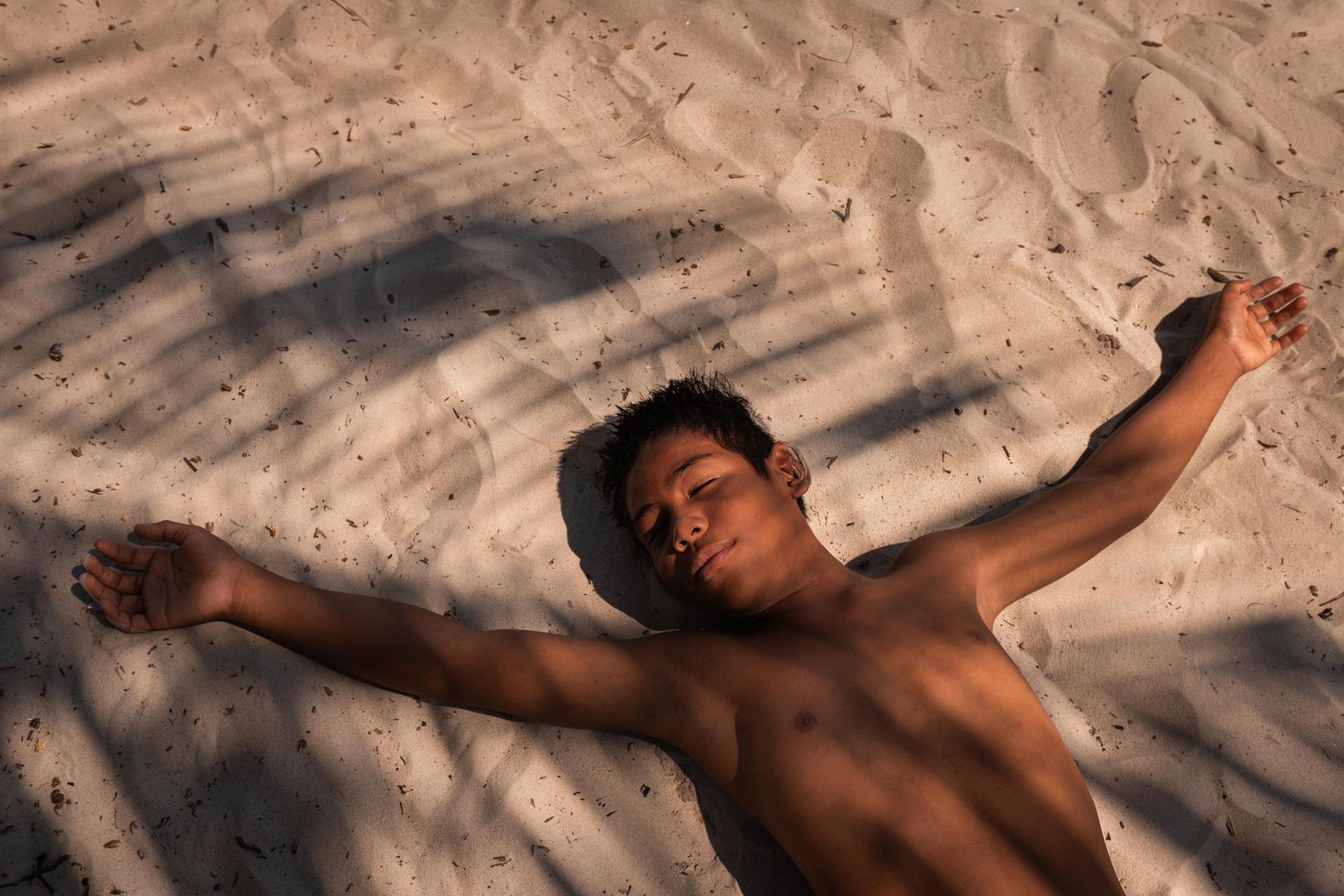
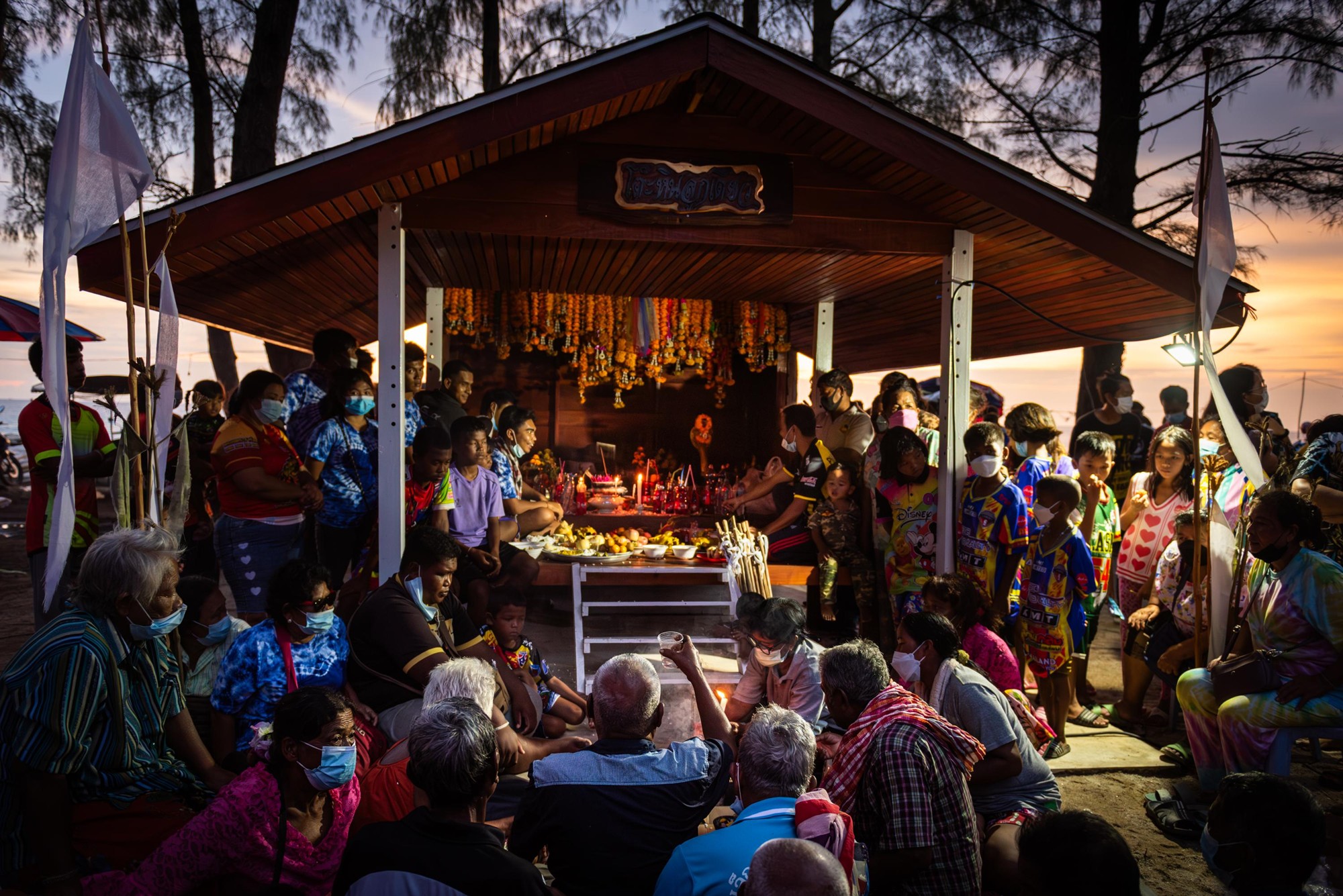
งานของ อธิคม แสงไชย (Athikhom Saengchai) ที่ชื่อ The Unseen Weave ที่ถ่ายทอดเรื่องของวัฒนธรรมที่กำลังจะเลือนหายของชาวมอแกลน ที่ตั้งถิ่นฐานตามแนวชายฝั่งทะเลอันดามัน ความผูกพันของชาวมอแกลนกับธรรมชาติโดยผ่านความเชื่อเรื่องวิญญาณของสิ่งต่าง ๆ ทำให้เรื่องนี้มีความน่าสนใจทั้งในเรื่องของการอนุรักษ์ที่ถือว่าเป็นเรื่องสำคัญ เลยไปถึงเรื่อง ลัทธิบูชาธรรมชาติ ที่เป็นเหมือนกฎศักดิ์สิทธิ์วางกรอบให้มนุษย์ยำเกรงต่อสิ่งเหนือธรรมชาติ (เพื่อปกป้องตัวธรรมชาติอีกที) อย่างในลัทธิชินโต ชาวญี่ปุ่นเชื่อว่ามีเทพเจ้าหรือวิญญาณสถิตย์ตามสิ่งต่าง ๆ แปดล้านองค์ (ความหมายคือเยอะมาก ไม่ได้หมายถึงแปดล้านจริง ๆ) โดยเฉพาะธรรมชาติทีต้องการการดูแลรักษา มีตัวอย่างในบ้านเราเช่น ชาวม้ง (Hmong) และลีซู (Lisu) มีความเชื่อใน “ป่าผี” ที่เป็นแหล่งสิงสถิตของวิญญาณบรรพบุรุษ ทำให้มีการดูแลรักษาและเคารพป่าผีอย่างเคร่งครัด
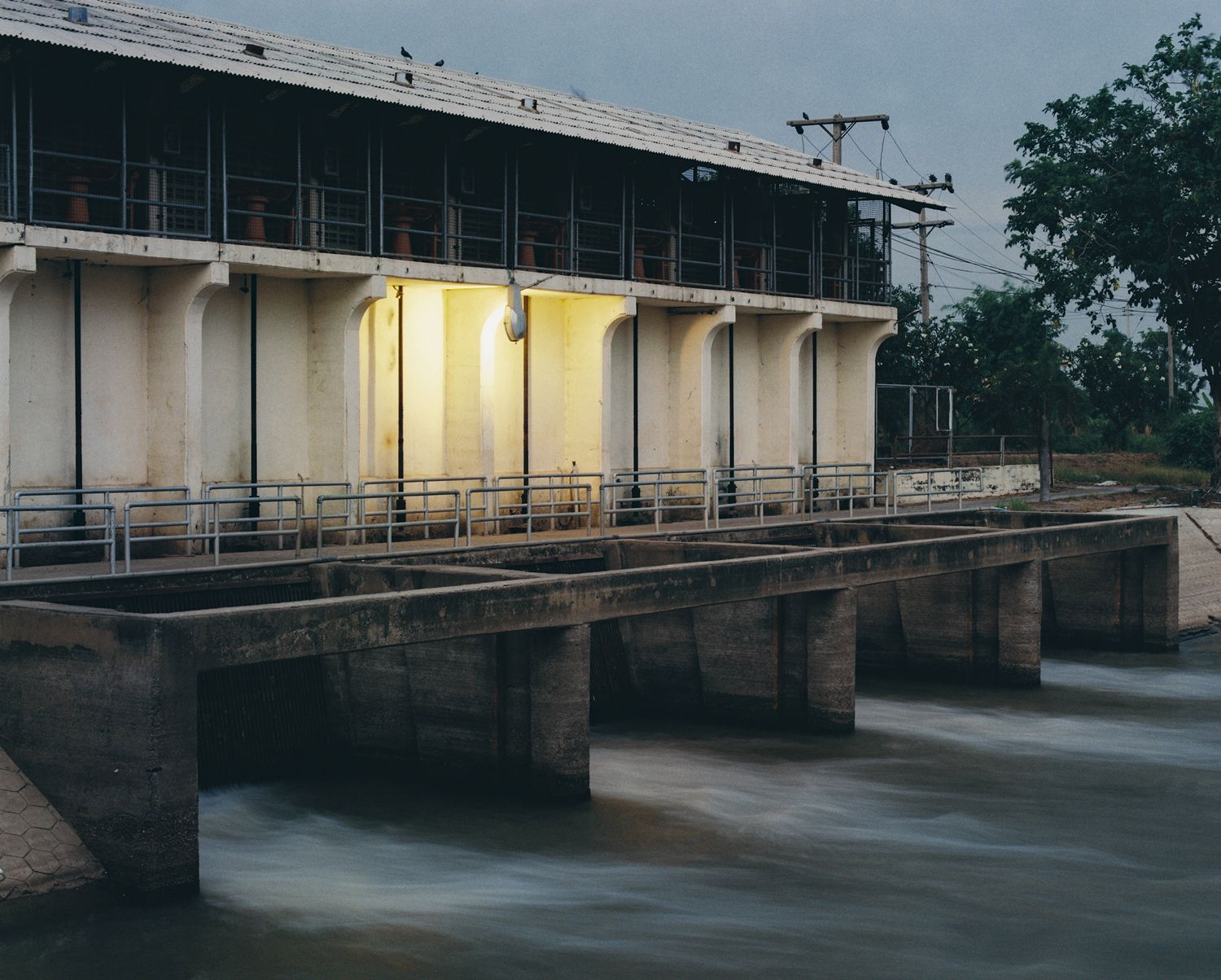
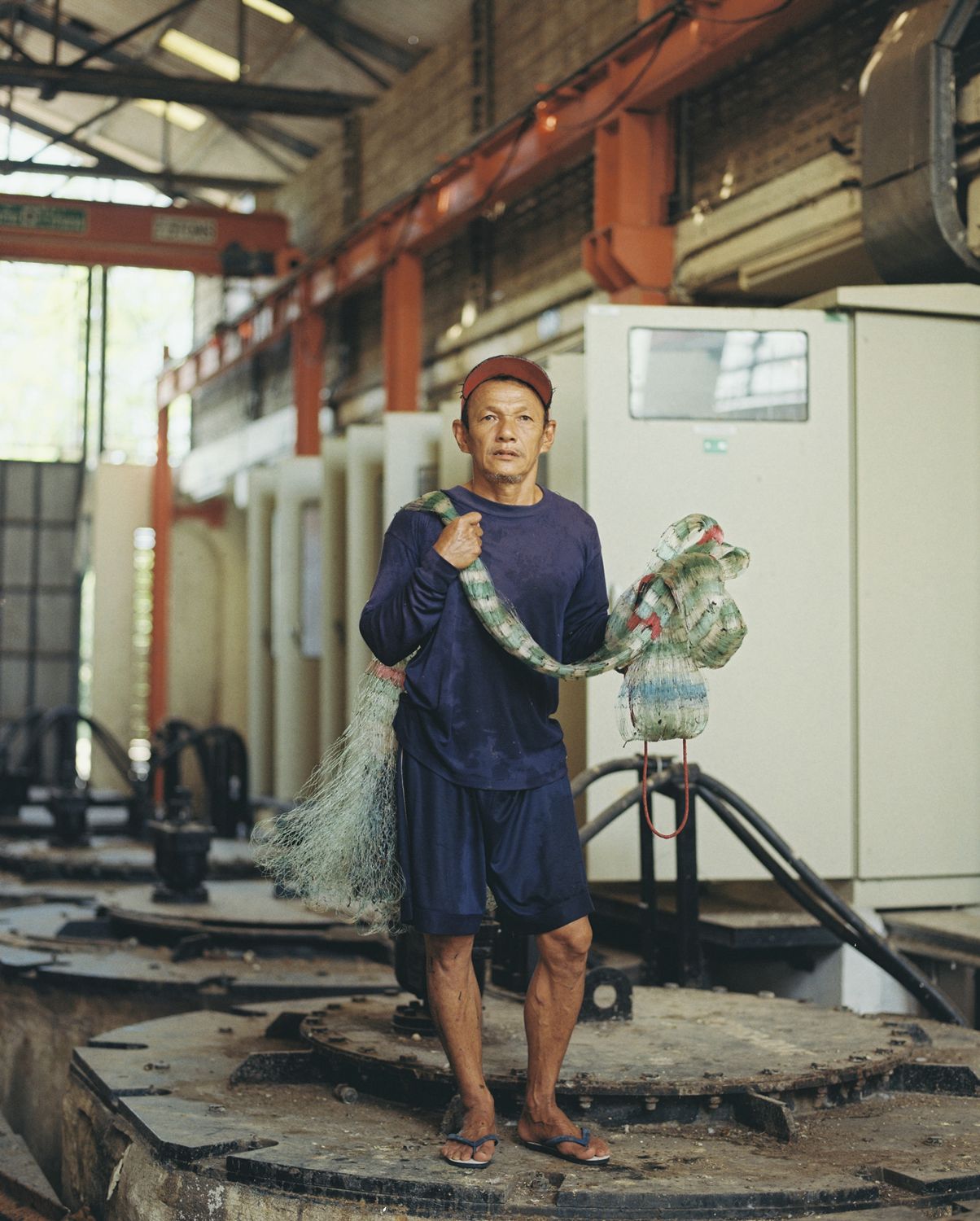
Water ของ ชลิต สภาภักดิ์ (Chalit Saphaphak) เป็นอีกงานสื่อสารถึงชีวิตผู้คน และการดำเนินไปของสายน้ำ Water เล่าถึงระบบชลประทานในจังหวัดสุพรรณบุรีที่ไม่ได้เกิดขึ้นเองตามธรรมชาติ แต่เกิดจากการจัดการอย่างเป็นระบบ เช่น ประตูระบายน้ำ ปั๊มน้ำ คลองคอนกรีต ฯลฯ ชลิตตามถ่ายภาพสิ่งที่เกี่ยวข้องกับเรื่อง “น้ำ” โดยไม่ได้ถ่ายภาพธรรมชาติของสายน้ำ หรือชีวิตความเป็นอยู่ของผู้คนริมน้ำอย่างที่ช่างภาพอื่น ๆ ชอบทำ หากชลิตมองเห็นถึงสิ่งประกอบกันเป็น ชีวิต-สายน้ำ-สังคม-ประวัติศาสตร์ อย่างเข้าใจ และขยายไปถึงภาพกว้างของสิ่งที่เป็นอยู่ ไม่ได้โหยหาความโรแมนติคของชีวิตชนบทแบบเก่า ๆ แต่เพียงอย่างเดียว
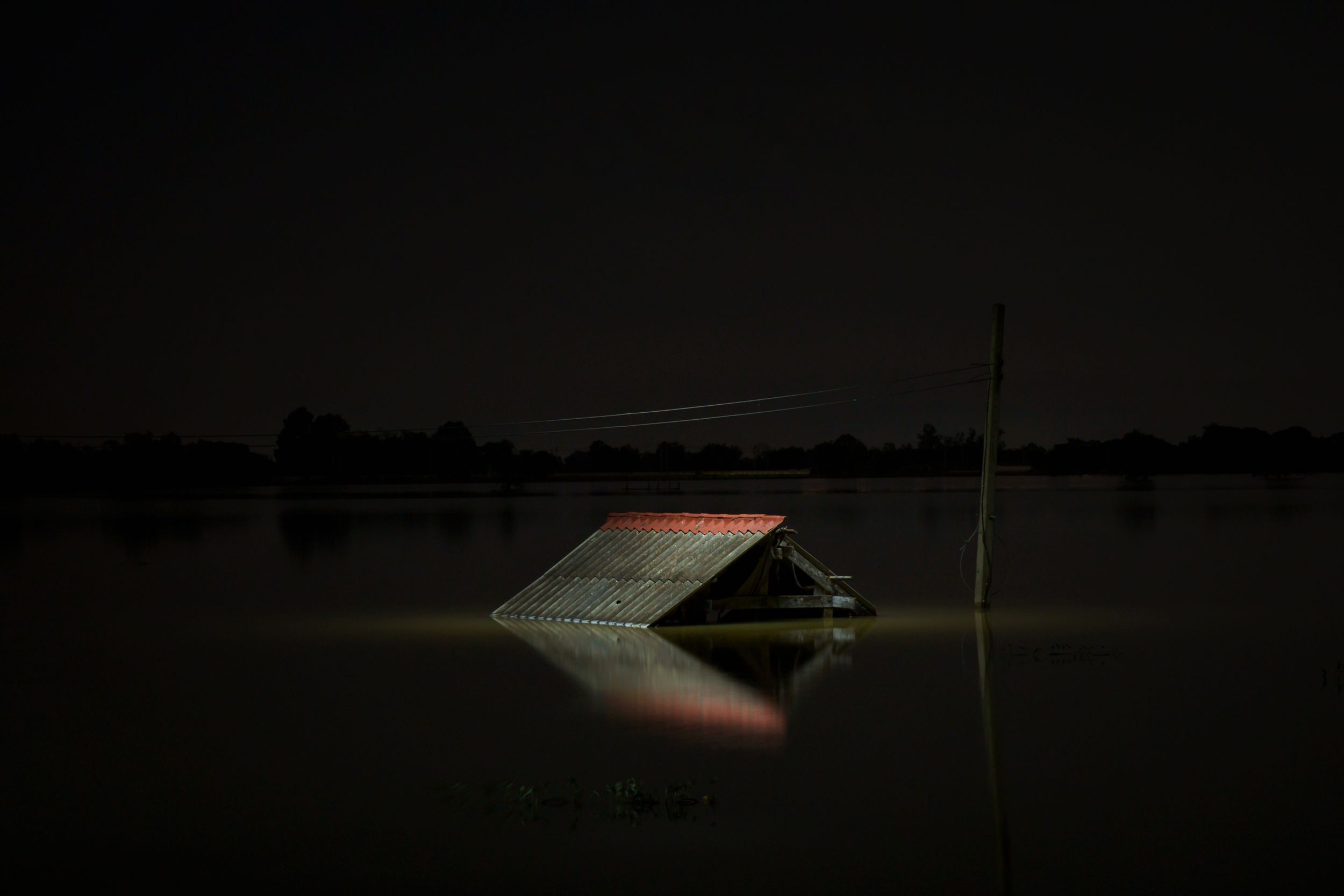
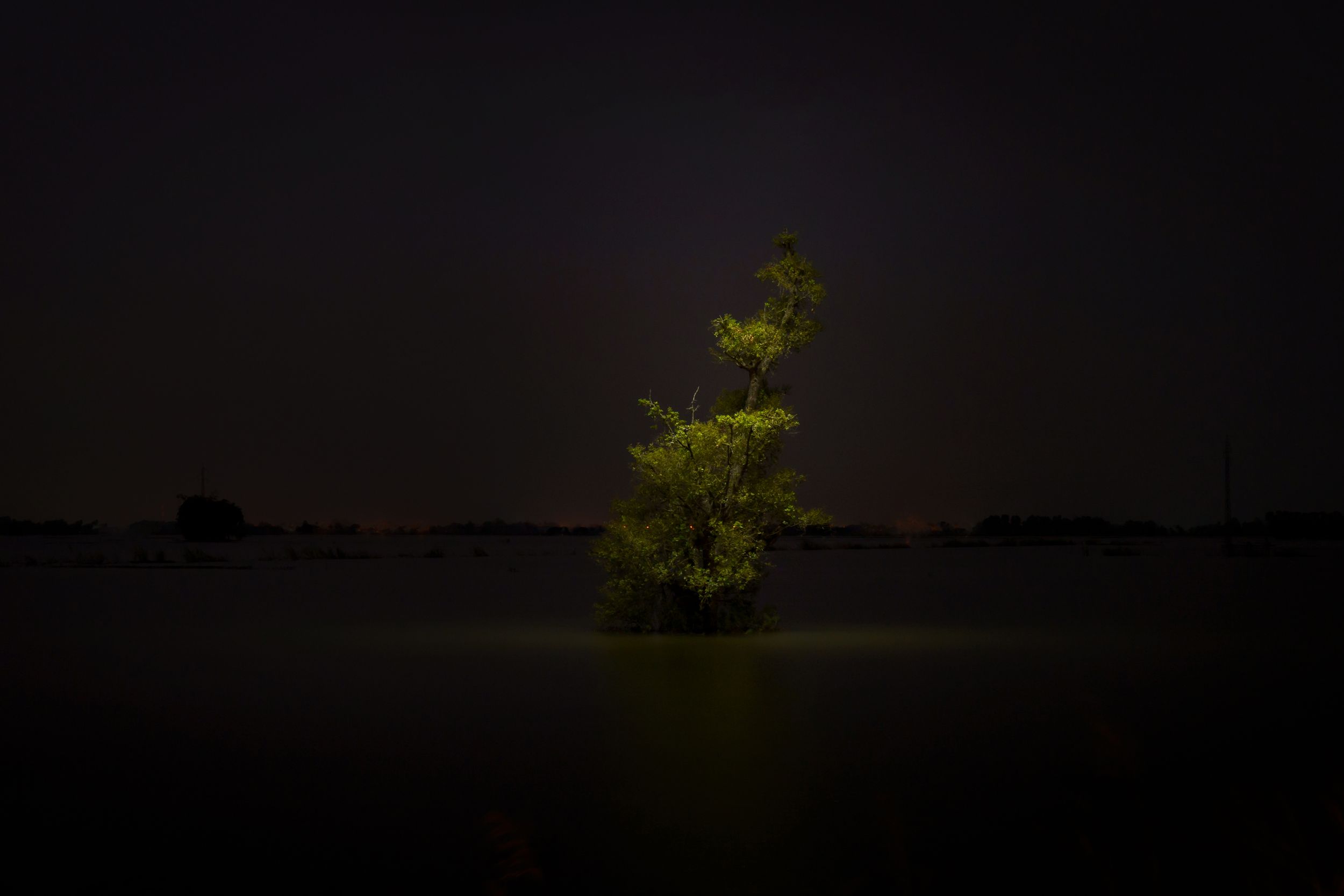
บางระกำโมเดล ของ จิรวัฒน์ ตันประเสริฐ (Jirawat Tunprasert) คืองานที่ผมนำไปลงที่ CTypeMag และเขียนถึงในหนังสือ Why Photography? ก่อนหน้านี้ เพราะเป็นเรื่องที่เกี่ยวข้องกับการจัดการน้ำ คล้ายกับงาน Water ของชลิต แต่หากการจัดการนี้ส่งผลกระทบถึงความเป็นอยู่ของผู้คนมากมาย จึงเป็นอีกงานที่สามารถพูดถึงความเป็นไปของสายน้ำได้อย่างดี และเป็นอีกด้านหนึ่งที่มนุษย์เข้ามาแทรกแซงความเป็นไปของธรรมชาติ
“บางระกำโมเดลแสดงให้เห็นอย่างชัดแจ้งถึงปรากฏการณ์ที่กำลังดำเนินไป และผลลัพธ์บางอย่างที่ถูกคายทิ้งไว้พร้อม ๆ กัน เหตุการณ์กำลังเกิดขึ้นซ้ำแล้วซ้ำเล่า และเลวลงทุกปีจากความผันผวนของสภาวะสิ่งแวดล้อมระดับโลกอันยากที่จะจัดการด้วยระยะเวลาอันสั้น ทางออกที่เคยได้ผลในอดีตยังจะทำงานอย่างมีประสิทธิภาพหรือไม่นั้นเป็นเรื่องที่ต้องขบคิด” บางส่วนจากหนังสือ Why Photography?
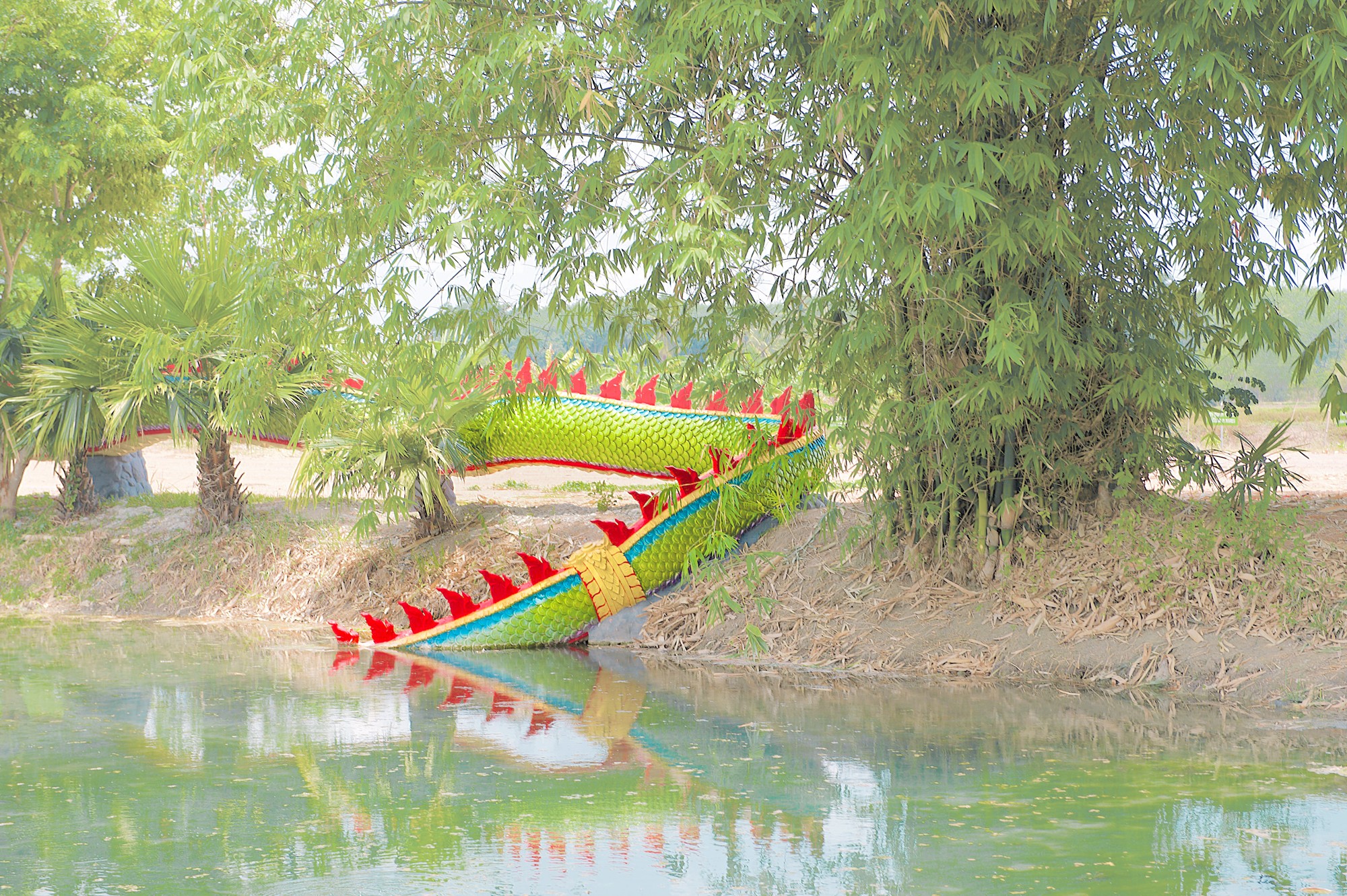
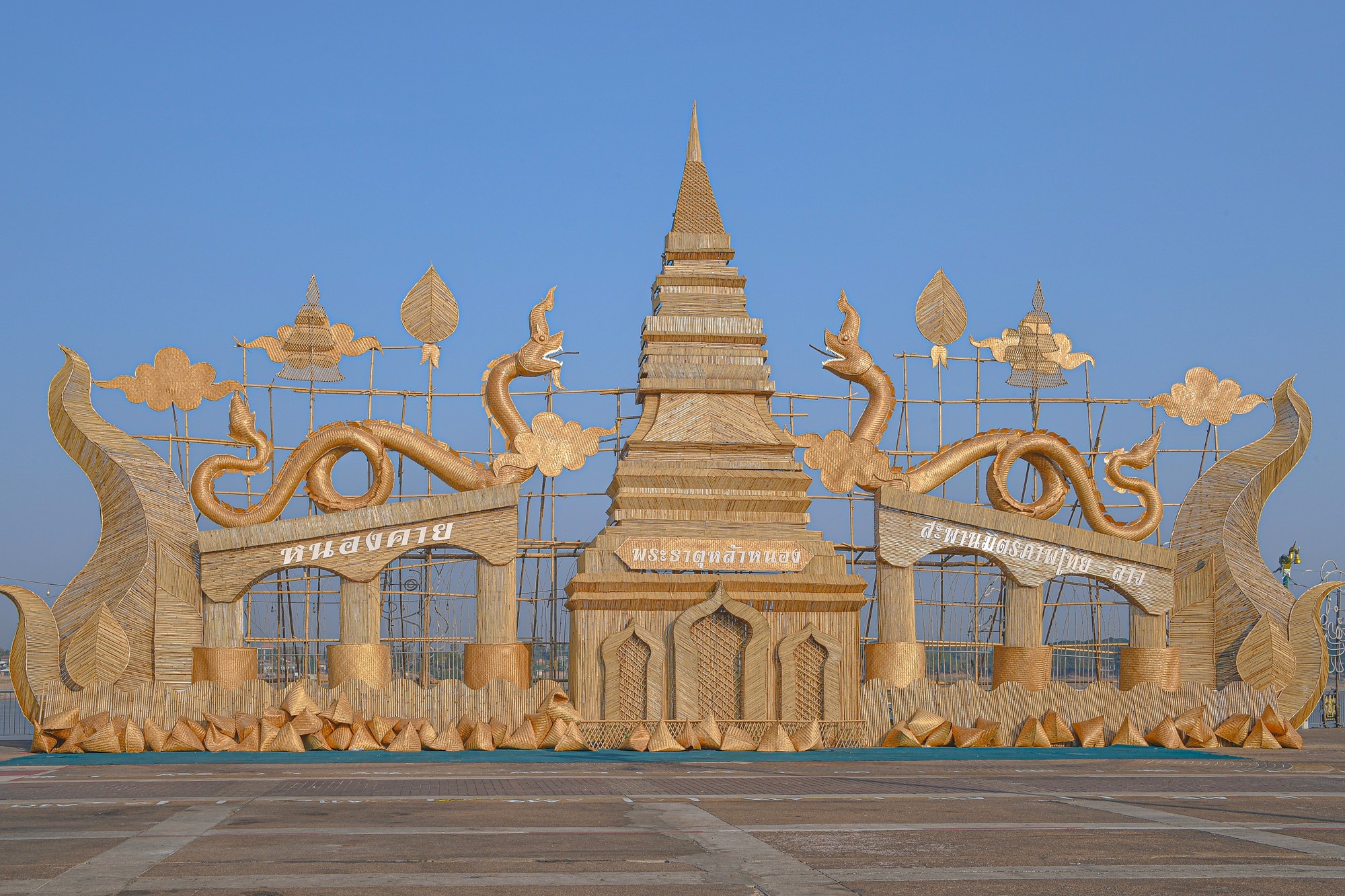
การสังเกตสิ่งที่ปรากฎอยู่ในพื้นที่นั้น ๆ สามารถนำเราให้มองเห็นถึงวิถีชีวิต ความเป็นไปของโลกสมัยใหม่ผสมผสานกับความเชื่อพื้นถิ่นนั้นได้ อย่างเช่นงานที่ชื่อ Naga Land ของ ธนะชัย ตั้งวราลักษณ์ (Thanachai Tankvaraluk) ฉายภาพของรูปปั้นพญานาคในรูปลักษณ์ต่างกันไปในพื้นที่แถบภาคอีสานของไทย พญานาคที่แต่เดิมเป็นตัวแทนของ “ผีงูใหญ่” อาศัยอยู่เมืองบาดาล ชาวอีสานโบราณเชื่อว่าเป็นสัตว์ศักดิ์สิทธิ์ที่ทำให้เกิดแม่น้ำโขง (จาก “คัมภีร์อุรังคธาตุ” เรื่องการตีกันของ พญาศรีสุทโธนาคราช และ พญาสุวรรณนาคราช) จนถึงยุคดิจิทัล พญานาคมาเป็นตัวขับเคลื่อนเศรษฐกิจผ่านทางการผลักดันของภาครัฐและเอกชน พญานาคโฉมใหม่กำลังผลักดันการท่องเที่ยว ธุรกิจสายมู และรูปแบบความบันเทิงมากมาย รูปปั้นของเหล่าพญานาคในงานของธนะชัย คือการเปลี่ยนผ่านของสัตว์โบราณศักดิ์สิทธิ์ที่เคยบันดาลน้ำ ฝน ความอุดมสมบูรณ์ในการทำเกษตรกรรม กลายเป็นผู้บันดาลความกินดีอยู่ดี และมั่งคั่งให้กับผู้คนได้อย่างคาดไม่ถึง
งานทั้งสี่ชิ้นถูกคัดสรรเกี่ยวโยงเข้าด้วยกัน โดยมีเรื่องของสายน้ำเป็นตัวแปรหลัก ไม่ว่าจะเป็นเรื่องความเชื่อดั้งเดิมที่ต้องการการอนุรักษ์อย่างยิ่งยวด อีกความเชื่อที่ก้าวไปอย่างรวดเร็วพร้อมกับความต้องการของโลกสมัยใหม่ การควบคุมที่ส่งผลดีต่อผู้คนปลายน้ำ และอีกการควบคุมที่ส่งผลกระทบตามมามากมาย ซึ่งดูแล้ว แต่ละเรื่องราวล้วนมีบริบทของตัวเอง เป็นเหมือนการเกิดวงน้ำเมื่อมีหินตกลงไป พวกมันมาบรรจบกัน ทับกัน หักล้างกัน แล้วก็หายไป ชั่วคราวตามธรรมชาติของพวกมัน และพวกเรา
ปลายปี 2026 จะมีเทศกาลแสดงภาพถ่ายของสิบสองปันนาอีกครั้ง งานที่ผมคัดเลือกนั้นดูจะกลับมาสู่สิ่งที่ตรงไปตรงมามากขึ้น คือการที่ชีวิตของผู้คนที่เกี่ยวข้องกับสายน้ำ โดยทั้ง 4 งานเป็นเล่าถึงเรื่อง ถิ่นที่อยู่ (Habitat) ในบริบทที่ต่างกันไปที่สัมพันธ์กับสายน้ำ การที่ศิลปินได้ลดขอบเขตลงมา ทำให้มองเห็นภาพของความเป็นไปของผู้คนในเชิงลึกได้อย่างน่าสนใจ มีงานทั้งที่เป็นสารคดีแบบดั้งเดิม งานสารคดีที่ใช้กระบวนการใหม่ ๆ เข้ามาเล่าเรื่อง รวมไปถึงเรื่องการสังเกตเรื่องราวทางวัฒนธรรมบางอย่างที่เกี่ยวข้องระหว่างพื้นที่ ผู้คน วัตถุ ในถิ่นที่อยู่นั้น
งานของ อธิคม แสงไชย (Athikhom Saengchai) ที่ชื่อ The Unseen Weave ที่ถ่ายทอดเรื่องของวัฒนธรรมที่กำลังจะเลือนหายของชาวมอแกลน ที่ตั้งถิ่นฐานตามแนวชายฝั่งทะเลอันดามัน ความผูกพันของชาวมอแกลนกับธรรมชาติโดยผ่านความเชื่อเรื่องวิญญาณของสิ่งต่าง ๆ ทำให้เรื่องนี้มีความน่าสนใจทั้งในเรื่องของการอนุรักษ์ที่ถือว่าเป็นเรื่องสำคัญ เลยไปถึงเรื่อง ลัทธิบูชาธรรมชาติ ที่เป็นเหมือนกฎศักดิ์สิทธิ์วางกรอบให้มนุษย์ยำเกรงต่อสิ่งเหนือธรรมชาติ (เพื่อปกป้องตัวธรรมชาติอีกที) อย่างในลัทธิชินโต ชาวญี่ปุ่นเชื่อว่ามีเทพเจ้าหรือวิญญาณสถิตย์ตามสิ่งต่าง ๆ แปดล้านองค์ (ความหมายคือเยอะมาก ไม่ได้หมายถึงแปดล้านจริง ๆ) โดยเฉพาะธรรมชาติทีต้องการการดูแลรักษา มีตัวอย่างในบ้านเราเช่น ชาวม้ง (Hmong) และลีซู (Lisu) มีความเชื่อใน “ป่าผี” ที่เป็นแหล่งสิงสถิตของวิญญาณบรรพบุรุษ ทำให้มีการดูแลรักษาและเคารพป่าผีอย่างเคร่งครัด
Water ของ ชลิต สภาภักดิ์ (Chalit Saphaphak) เป็นอีกงานสื่อสารถึงชีวิตผู้คน และการดำเนินไปของสายน้ำ Water เล่าถึงระบบชลประทานในจังหวัดสุพรรณบุรีที่ไม่ได้เกิดขึ้นเองตามธรรมชาติ แต่เกิดจากการจัดการอย่างเป็นระบบ เช่น ประตูระบายน้ำ ปั๊มน้ำ คลองคอนกรีต ฯลฯ ชลิตตามถ่ายภาพสิ่งที่เกี่ยวข้องกับเรื่อง “น้ำ” โดยไม่ได้ถ่ายภาพธรรมชาติของสายน้ำ หรือชีวิตความเป็นอยู่ของผู้คนริมน้ำอย่างที่ช่างภาพอื่น ๆ ชอบทำ หากชลิตมองเห็นถึงสิ่งประกอบกันเป็น ชีวิต-สายน้ำ-สังคม-ประวัติศาสตร์ อย่างเข้าใจ และขยายไปถึงภาพกว้างของสิ่งที่เป็นอยู่ ไม่ได้โหยหาความโรแมนติคของชีวิตชนบทแบบเก่า ๆ แต่เพียงอย่างเดียว
บางระกำโมเดล ของ จิรวัฒน์ ตันประเสริฐ (Jirawat Tunprasert) คืองานที่ผมนำไปลงที่ CTypeMag และเขียนถึงในหนังสือ Why Photography? ก่อนหน้านี้ เพราะเป็นเรื่องที่เกี่ยวข้องกับการจัดการน้ำ คล้ายกับงาน Water ของชลิต แต่หากการจัดการนี้ส่งผลกระทบถึงความเป็นอยู่ของผู้คนมากมาย จึงเป็นอีกงานที่สามารถพูดถึงความเป็นไปของสายน้ำได้อย่างดี และเป็นอีกด้านหนึ่งที่มนุษย์เข้ามาแทรกแซงความเป็นไปของธรรมชาติ
“บางระกำโมเดลแสดงให้เห็นอย่างชัดแจ้งถึงปรากฏการณ์ที่กำลังดำเนินไป และผลลัพธ์บางอย่างที่ถูกคายทิ้งไว้พร้อม ๆ กัน เหตุการณ์กำลังเกิดขึ้นซ้ำแล้วซ้ำเล่า และเลวลงทุกปีจากความผันผวนของสภาวะสิ่งแวดล้อมระดับโลกอันยากที่จะจัดการด้วยระยะเวลาอันสั้น ทางออกที่เคยได้ผลในอดีตยังจะทำงานอย่างมีประสิทธิภาพหรือไม่นั้นเป็นเรื่องที่ต้องขบคิด” บางส่วนจากหนังสือ Why Photography?
การสังเกตสิ่งที่ปรากฎอยู่ในพื้นที่นั้น ๆ สามารถนำเราให้มองเห็นถึงวิถีชีวิต ความเป็นไปของโลกสมัยใหม่ผสมผสานกับความเชื่อพื้นถิ่นนั้นได้ อย่างเช่นงานที่ชื่อ Naga Land ของ ธนะชัย ตั้งวราลักษณ์ (Thanachai Tankvaraluk) ฉายภาพของรูปปั้นพญานาคในรูปลักษณ์ต่างกันไปในพื้นที่แถบภาคอีสานของไทย พญานาคที่แต่เดิมเป็นตัวแทนของ “ผีงูใหญ่” อาศัยอยู่เมืองบาดาล ชาวอีสานโบราณเชื่อว่าเป็นสัตว์ศักดิ์สิทธิ์ที่ทำให้เกิดแม่น้ำโขง (จาก “คัมภีร์อุรังคธาตุ” เรื่องการตีกันของ พญาศรีสุทโธนาคราช และ พญาสุวรรณนาคราช) จนถึงยุคดิจิทัล พญานาคมาเป็นตัวขับเคลื่อนเศรษฐกิจผ่านทางการผลักดันของภาครัฐและเอกชน พญานาคโฉมใหม่กำลังผลักดันการท่องเที่ยว ธุรกิจสายมู และรูปแบบความบันเทิงมากมาย รูปปั้นของเหล่าพญานาคในงานของธนะชัย คือการเปลี่ยนผ่านของสัตว์โบราณศักดิ์สิทธิ์ที่เคยบันดาลน้ำ ฝน ความอุดมสมบูรณ์ในการทำเกษตรกรรม กลายเป็นผู้บันดาลความกินดีอยู่ดี และมั่งคั่งให้กับผู้คนได้อย่างคาดไม่ถึง
งานทั้งสี่ชิ้นถูกคัดสรรเกี่ยวโยงเข้าด้วยกัน โดยมีเรื่องของสายน้ำเป็นตัวแปรหลัก ไม่ว่าจะเป็นเรื่องความเชื่อดั้งเดิมที่ต้องการการอนุรักษ์อย่างยิ่งยวด อีกความเชื่อที่ก้าวไปอย่างรวดเร็วพร้อมกับความต้องการของโลกสมัยใหม่ การควบคุมที่ส่งผลดีต่อผู้คนปลายน้ำ และอีกการควบคุมที่ส่งผลกระทบตามมามากมาย ซึ่งดูแล้ว แต่ละเรื่องราวล้วนมีบริบทของตัวเอง เป็นเหมือนการเกิดวงน้ำเมื่อมีหินตกลงไป พวกมันมาบรรจบกัน ทับกัน หักล้างกัน แล้วก็หายไป ชั่วคราวตามธรรมชาติของพวกมัน และพวกเรา
The Xishuangbanna Photo Festival usually operates under a broad theme, "One Great River," which was also the focus back in 2025. The works I curated to exhibit that year carried the atmosphere of flowing water, though perhaps not in the most literal sense. I wanted to stretch the boundaries of the theme while still keeping the presence of people and the river alive.
For instance, Audsadang Satsadee’s project, Living on the Cloud, looked at how urban laborers spend their scarce leisure time in the big city. While it did not feature a river directly, it captured ordinary lives unfolding against a backdrop where water silently shaped their realities, like the image of a couple sitting by the water at dusk with an oil refinery looming behind them. In a similar way, Sukrit Patjuntadusit used a unique film soup process to mirror the environmental struggles of Rayong province.
By late 2026, the Xishuangbanna Photo Festival will return, and the selection I have gathered this time feels more direct. It focuses closely on human lives bound to the water. These four projects explore the idea of "Habitat" through different contexts, each tied to a river or a sea. By narrowing their focus, these artists allow us to see the deeper, quieter movements of human existence. The collection ranges from traditional documentary work to new storytelling methods, alongside close observations of the cultural threads that bind a specific place, its people, and the objects within their shared habitat.
Athikhom Saengchai’s work, The Unseen Weave, documents the fading culture of the Moklen people along the Andaman coast. Their deep bond with nature is sustained through animist beliefs, a relationship that raises urgent questions about conservation. This leads into the idea of nature worship as a sacred code, a framework that encourages humans to respect the supernatural in order to protect the natural world itself. In Shinto belief, for example, the Japanese speak of eight million gods or spirits residing in all things, particularly in the natural elements that require care. We see this closer to home as well, where the Hmong and Lisu communities hold a deep reverence for ancestral "ghost forests," keeping these areas strictly preserved and respected.
In contrast, Chalit Saphaphak’s Water looks at human life and the movement of water through the lens of modern engineering. The project examines the irrigation systems of Suphan Buri province, where water does not simply flow by nature but is managed through a network of sluice gates, water pumps, and concrete canals. Instead of chasing the romantic, pristine views of rivers or traditional streamside life that many photographers prefer, Chalit focuses on the hardware of water management. He views the landscape as an interconnected system of life, water, society, and history, capturing the reality of the present without falling into cheap nostalgia for an old rural past.
The Bang Rakam Model by Jirawat Tunprasert is a project I previously published in CTypeMag and discussed in my book Why Photography?. It deals with water management in a way that echoes Chalit’s work, yet here, the heavy hand of engineering directly impacts the livelihood of entire communities. It shows another side of water, one where human intervention alters the natural cycle completely.
“The Bang Rakam Model clearly demonstrates an ongoing event and the results left behind simultaneously. These events are repeating and worsening every year due to global environmental fluctuations that are hard to manage in a short time. It is worth considering whether solutions that worked in the past are still effective. Images of real consequences work in relation to time, which moves forward without stopping. They affect the surroundings and are linked to life and death, both for the general public and individuals. This highlights the great importance and undeniable power of photography created from real situations.” — From Why Photography?
Observing what remains in a specific landscape can reveal how modern forces blend with ancient local beliefs. Thanachai Tankvaraluk’s Naga Land captures the various forms of Naga statues scattered across northeastern Thailand. Phaya Naga (The mythical Thai serpent. Guardian of waters and temples, shielding the divine) , originally a great serpent spirit dwelling in the underworld, was believed by ancient Isan communities to have carved out the Mekong River during a mythical battle. Today, in the digital age, the Naga has been reframed by the state and private businesses as an economic driver. This new version of the myth fuels tourism, spiritual enterprises, and entertainment. The statues in Thanachai’s photographs mark a profound shift, where an ancient sacred being that once granted rain and agricultural fertility is now expected to bring personal wealth and financial luck in ways no one could have anticipated.
These four works are tied together with water as the constant element. We see ancient beliefs that demand urgent preservation alongside myths adapting rapidly to the desires of the modern market, and we see water management that helps those downstream while leaving others to bear the consequences. Each story exists in its own distinct context. Together, they behave like the ripples made by a stone dropped into a river, meeting, overlapping, altering one another, and then quietly fading away, true to their own nature, and to ours.
For instance, Audsadang Satsadee’s project, Living on the Cloud, looked at how urban laborers spend their scarce leisure time in the big city. While it did not feature a river directly, it captured ordinary lives unfolding against a backdrop where water silently shaped their realities, like the image of a couple sitting by the water at dusk with an oil refinery looming behind them. In a similar way, Sukrit Patjuntadusit used a unique film soup process to mirror the environmental struggles of Rayong province.
By late 2026, the Xishuangbanna Photo Festival will return, and the selection I have gathered this time feels more direct. It focuses closely on human lives bound to the water. These four projects explore the idea of "Habitat" through different contexts, each tied to a river or a sea. By narrowing their focus, these artists allow us to see the deeper, quieter movements of human existence. The collection ranges from traditional documentary work to new storytelling methods, alongside close observations of the cultural threads that bind a specific place, its people, and the objects within their shared habitat.
Athikhom Saengchai’s work, The Unseen Weave, documents the fading culture of the Moklen people along the Andaman coast. Their deep bond with nature is sustained through animist beliefs, a relationship that raises urgent questions about conservation. This leads into the idea of nature worship as a sacred code, a framework that encourages humans to respect the supernatural in order to protect the natural world itself. In Shinto belief, for example, the Japanese speak of eight million gods or spirits residing in all things, particularly in the natural elements that require care. We see this closer to home as well, where the Hmong and Lisu communities hold a deep reverence for ancestral "ghost forests," keeping these areas strictly preserved and respected.
In contrast, Chalit Saphaphak’s Water looks at human life and the movement of water through the lens of modern engineering. The project examines the irrigation systems of Suphan Buri province, where water does not simply flow by nature but is managed through a network of sluice gates, water pumps, and concrete canals. Instead of chasing the romantic, pristine views of rivers or traditional streamside life that many photographers prefer, Chalit focuses on the hardware of water management. He views the landscape as an interconnected system of life, water, society, and history, capturing the reality of the present without falling into cheap nostalgia for an old rural past.
The Bang Rakam Model by Jirawat Tunprasert is a project I previously published in CTypeMag and discussed in my book Why Photography?. It deals with water management in a way that echoes Chalit’s work, yet here, the heavy hand of engineering directly impacts the livelihood of entire communities. It shows another side of water, one where human intervention alters the natural cycle completely.
“The Bang Rakam Model clearly demonstrates an ongoing event and the results left behind simultaneously. These events are repeating and worsening every year due to global environmental fluctuations that are hard to manage in a short time. It is worth considering whether solutions that worked in the past are still effective. Images of real consequences work in relation to time, which moves forward without stopping. They affect the surroundings and are linked to life and death, both for the general public and individuals. This highlights the great importance and undeniable power of photography created from real situations.” — From Why Photography?
Observing what remains in a specific landscape can reveal how modern forces blend with ancient local beliefs. Thanachai Tankvaraluk’s Naga Land captures the various forms of Naga statues scattered across northeastern Thailand. Phaya Naga (The mythical Thai serpent. Guardian of waters and temples, shielding the divine) , originally a great serpent spirit dwelling in the underworld, was believed by ancient Isan communities to have carved out the Mekong River during a mythical battle. Today, in the digital age, the Naga has been reframed by the state and private businesses as an economic driver. This new version of the myth fuels tourism, spiritual enterprises, and entertainment. The statues in Thanachai’s photographs mark a profound shift, where an ancient sacred being that once granted rain and agricultural fertility is now expected to bring personal wealth and financial luck in ways no one could have anticipated.
These four works are tied together with water as the constant element. We see ancient beliefs that demand urgent preservation alongside myths adapting rapidly to the desires of the modern market, and we see water management that helps those downstream while leaving others to bear the consequences. Each story exists in its own distinct context. Together, they behave like the ripples made by a stone dropped into a river, meeting, overlapping, altering one another, and then quietly fading away, true to their own nature, and to ours.
© CTypeMag 2016 - 2026

